
)
Why Is Outdoor Furniture So Expensive?

By Angie Balsam
Serving as the category manager for outdoor furniture and heating, Angie empowers customers to create a cohesive outdoor space and, more importantly, inject it with life.
What High-Quality Outdoor Furniture Is Really Made Of — and Why It’s Worth the Investment
Many of us have been there: You’re shopping for outdoor furniture, find a piece you love, and then are shocked by the price. You were just at another store, and an entire set is just a fraction of the cost of this one piece. Why is this one so expensive?
On the surface, some patio furniture can look similar to sets from big-box retailers. But the reality is that outdoor furniture is one of the few home categories where materials, construction, and testing have an outsized impact on durability, comfort, and long-term value.
If you’ve ever heard the expression “Buy it nice or buy it twice,” it applies here. High-quality outdoor furniture isn’t priced for a season or two—it’s engineered to withstand years of UV exposure, rain, humidity, temperature swings, and heavy use. Once you understand what goes into it, the price difference becomes far easier to justify.
Below, we break down why high-quality outdoor furniture costs more, how it differs from big-box alternatives, how to quickly identify quality, and help you decide when expensive patio furniture is a smart investment for your space.
Why High-Quality Outdoor Furniture Costs More
Outdoor Furniture Materials are Designed for Long-Term Durability
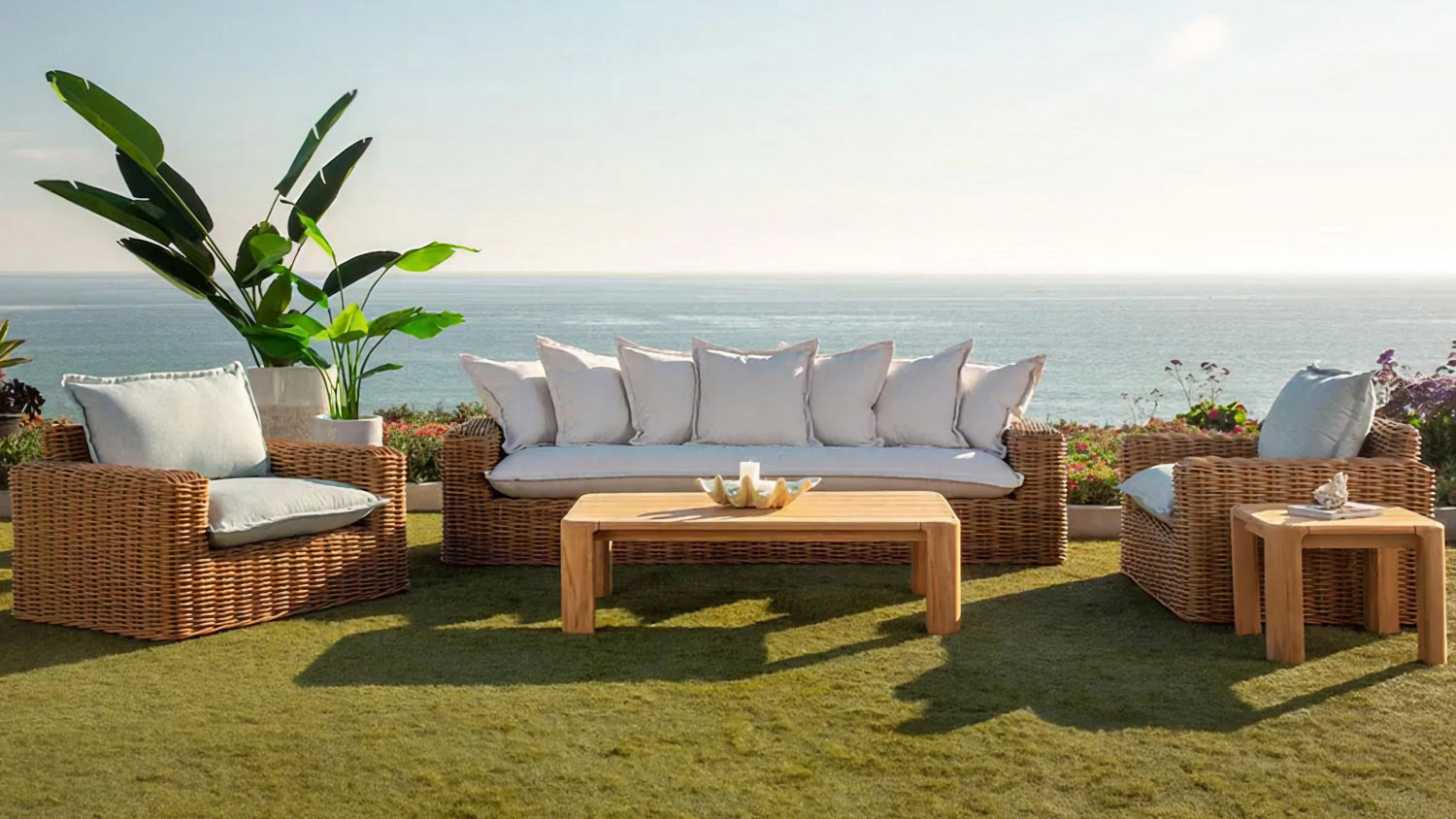
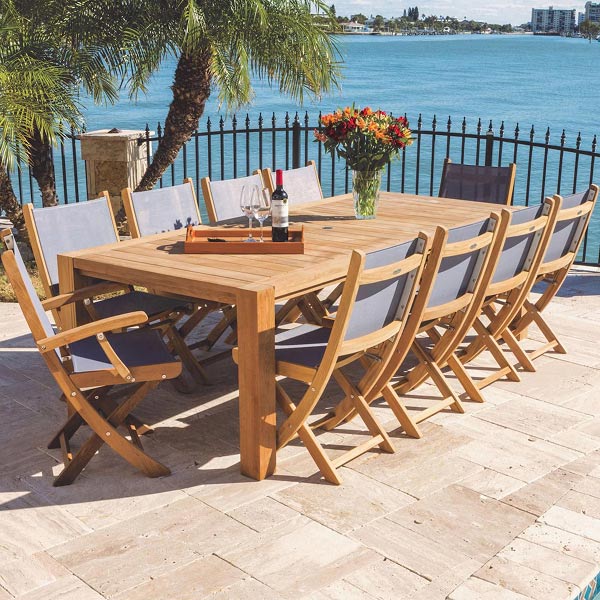
The biggest cost driver is materials. Luxury and high-quality outdoor furniture use components specifically engineered for outdoor exposure—not adapted indoor materials, like many brands use. Examples include:
- Marine-grade aluminum frames with thicker walls that resist corrosion, bending, and denting
- HDPE (high-density polyethylene) wicker that won’t crack, peel, or unravel
- Solution-dyed acrylic fabrics like Sunbrella or Agora that resist fading and mildew
- Grade-A teak, naturally rich in oils that protect against rot and insects
Brands such as Azzurro Living, Sunset West, Royal Teak Collection, Oxford Garden, and PW Designer Series build their collections around these materials because they dramatically improve outdoor furniture durability.
Cheaper furniture often relies on steel frames (which rust), PVC wicker (which becomes brittle), low-grade fabrics (which fade quickly), or softer woods like acacia that crack and split over time. This is why luxury outdoor furniture lasts longer, and why it costs more upfront.
Construction: Handcrafted vs Mass-Produced
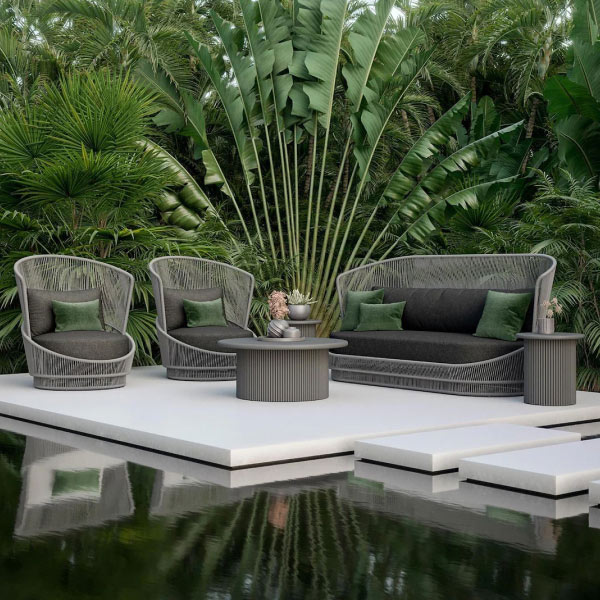
Another major difference between big-box and premium patio furniture is construction quality. High-end outdoor furniture typically features:
- Fully welded frames instead of bolt-together parts
- Handwoven wicker with consistent tension
- Teak built with traditional joinery rather than exposed hardware
- Multi-step finishing and sanding processes
- Quality cushions tailored to the specific frame
Big-box furniture prioritizes speed and cost efficiency, which often results in thin metals, visible fasteners, and loose weave patterns. The result: premium furniture feels solid, doesn’t wobble, and holds its shape year after year.
Cushion Engineering and Real Comfort
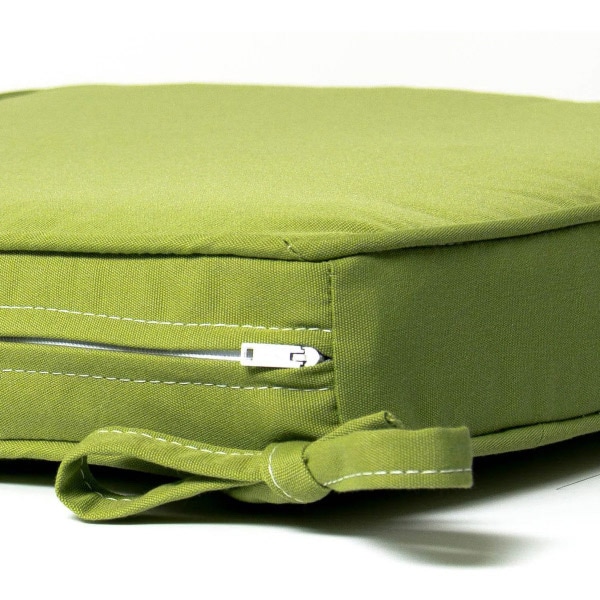
Comfort is one of the first things people notice—and one of the fastest ways to spot low-quality outdoor furniture. High-quality brands invest heavily in cushion design, using:
- Multi-layer quick-dry foam
- Drainage channels to prevent moisture buildup
- High-resilience batting
- Zippered, removable covers
- Ergonomic, deep-seating proportions
This is where comparisons like Sunbrella vs standard outdoor fabric matter. Solution-dyed acrylic fabrics resist fading for years, while mass produced fabrics often fade after one or two summers.
Thin polyfill cushions may look fine initially, but they flatten quickly and trap moisture—leading to discomfort and mildew.
Weather, UV, and Climate Testing
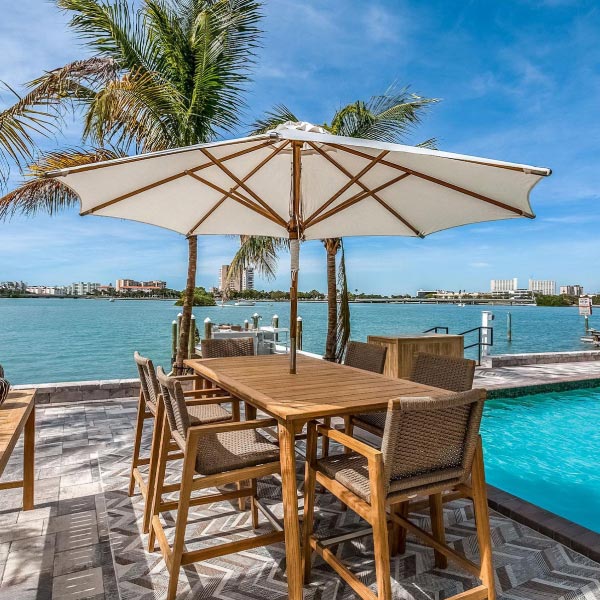
Premium outdoor furniture undergoes extensive testing that most big-box products skip entirely, including:
- UV fade resistance
- Salt-spray corrosion testing
- Powder-coat adhesion testing
- Temperature cycling
- Water drainage and quick-dry performance
This is especially important when choosing the best outdoor furniture for coastal areas or humid climates, where salt air and moisture accelerate wear.
Design That Goes Beyond Trends
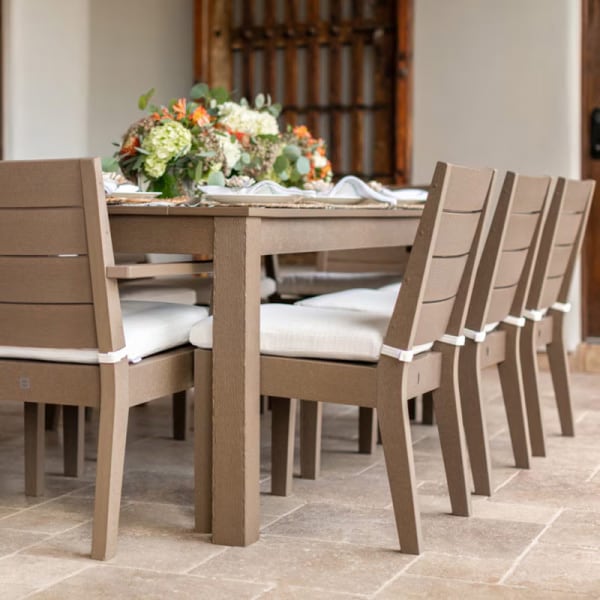
High-quality outdoor furniture blends durability with timeless design. Instead of seasonal sets that disappear after a year, premium brands offer:
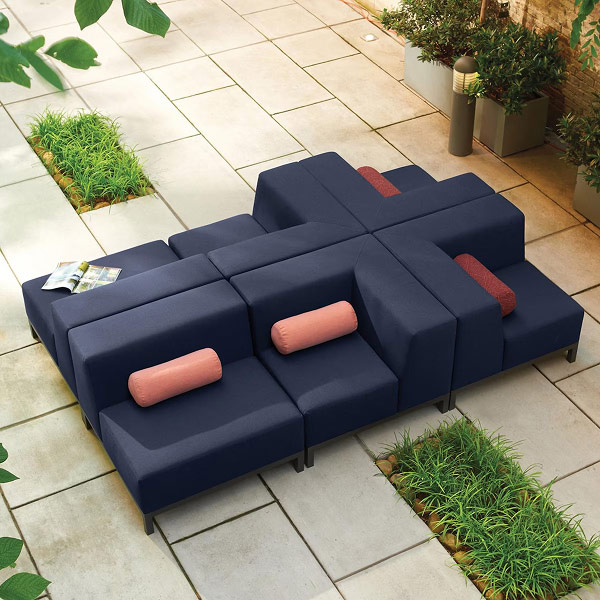
- Cohesive collections across dining, lounge, and accent pieces
- Modular layouts and replacement components
- Sculptural silhouettes and designer collaborations
- Teak and aluminum designs that age gracefully
This long-term approach is part of what makes expensive patio furniture worth it for many homeowners.
Warranties That Reflect Confidence
Warranties are one of the clearest signals of quality. Premium brands often offer:
- 5–10+ year frame warranties
- Multi-year finish coverage
- 5+ year fabric fade warranties
- Replacement cushions and parts
Big-box furniture frequently carries 90-day to 1-year warranties, with little support after purchase.
Differences Between Big-Box and Premium Patio Furniture
| Feature | Premium Outdoor Furniture | Big-Box Furniture |
|---|---|---|
| Frame Materials | Marine-grade aluminum, Grade-A teak | Thin aluminum, steel |
| Wicker | HDPE, handwoven | PVC, machine-woven |
| Fabrics | Sunbrella / solution-dyed acrylics | Low-quality polyester |
| Cushions | Multi-layer quick-dry foam | Polyfill |
| Comfort | Deep, ergonomic seating | Shallow, generic |
| Lifespan | 10–20+ years | 1–3 years |
| Warranty | 5–10+ years | 90 days-1 year |
| Replacement Parts | Available | Rare |
Is Expensive Patio Furniture Worth It?
Yes—when outdoor living is part of your lifestyle.
High-quality outdoor furniture is worth the investment if:
- You entertain regularly
- You live in a coastal, humid, or high-sun climate
- You want long-term durability and comfort
- You prefer design-level aesthetics
- You don’t want to replace furniture every few years
A well-made set from brands like Azzurro Living or Sunset West can last 10–20 years, often costing less over time than repeatedly replacing cheaper furniture. It may not be worth it for temporary spaces, light seasonal use, or if your design tastes change frequently.
Cheat Sheet: What to Look for When Choosing High-Quality Outdoor Furniture
When evaluating outdoor furniture, here's what our experts look for:
- Heavy, rigid frames with smooth welds
- Cushions that rebound instantly
- Fabrics labeled Sunbrella, Outdura, or Agora
- Dense HDPE wicker (not shiny or hollow)
- Uniform teak grain without green streaks
- Zippered cushion covers
- Multi-year warranties
These details quickly separate high-quality outdoor furniture from short-term alternatives.
Final Takeaway
High-quality outdoor furniture is expensive because it’s engineered to survive where cheap furniture fails. If your outdoor space is somewhere you actually live—not just something you decorate—investing in better materials, better construction, and better comfort pays off year after year.

