
)
Patio Heater Buying Guide | How to Buy an Outdoor Heater

The sun dips, the breeze turns cool, and suddenly everyone's reaching for a jacket instead of settling in for one more drink. BBQGuys outdoor heating expert Angie Balsam has helped countless shoppers solve that exact moment—the right patio heater turns a fading evening into hours more of good company. This buying guide walks you through how to choose a patio heater built for your space, your fuel, and the way you actually use your backyard.
Key Takeaways
- Measure the area you use, then size up for wind and open air. Square footage alone underestimates what an outdoor space needs.
- Match the heater style—freestanding, post-mount, tabletop, or wall/ceiling—to your layout and how permanent you want the setup.
- Pick a fuel based on what’s available at your home and how much you need to move the unit.
- BTUs measure heat output and not fuel efficiency, so a higher BTU rating means more heat.
- Infrared heaters warm people and objects directly, delivering instant, wind-resistant warmth that doesn’t blow away.
How to Size a Patio Heater for Your Space
Start by measuring the length and width of the zone you actually use, not your whole yard. Most people only heat where they sit, so there's no reason to plan for the rest.
- Baseline rule of thumb: multiply that square footage by roughly 20 BTU. A 300-square-foot zone starts around 6,000 BTU, but treat this as a still-air minimum.
- Adjust for the real world: open patios and even a light breeze can strip away a large share of a gas heater's effective heat, so windy or uncovered spaces need significantly more output (or wind-resistant infrared).
- Range vs. radius: range is the total area a heater warms; radius is how far that warmth reaches from the center. Combining units expands range and overlaps coverage.
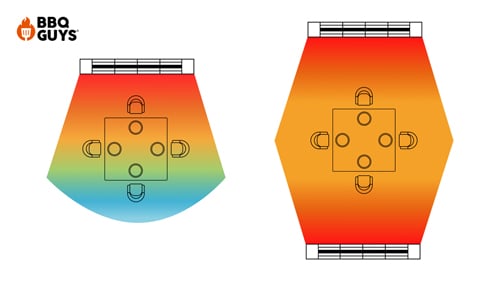
For larger or oddly shaped spaces, two well-placed smaller heaters beat one oversized unit. You get even coverage with no cold corners, instead of one hot spot and a lot of shivering guests at the edges.
Patio Heater Types & Mounting Options
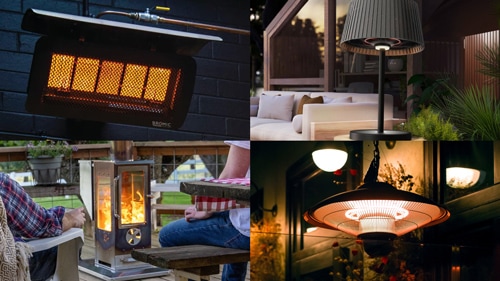
The right style comes down to how permanent you want the setup and how much floor space you're willing to give up.


Installation at a Glance
- Freestanding and tabletop: No installation needed—just assemble and place. Move them wherever the party goes.
- Wall, ceiling, hanging, and post-mount: Plan on a licensed electrician or installer, especially for hardwired electric and gas units. Factor that into your timeline and budget.
- Before you install anything: Check the manufacturer's clearance and mounting specs first as every model has its own rules for distance from walls, ceilings, and combustibles.
Patio Heater Fuel Types
Electric
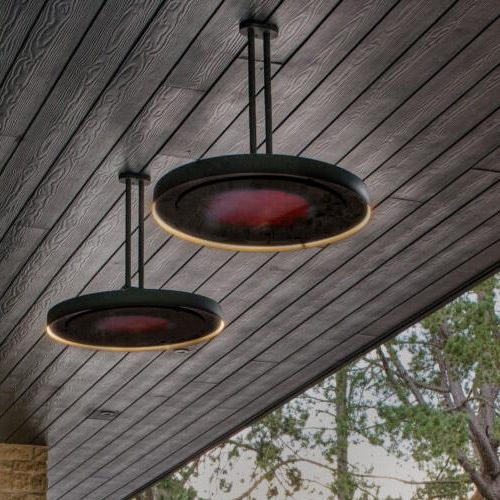
Electric heaters produce no emissions and keep maintenance low. Smaller units often plug into a standard outlet, while larger infrared models need a 240V connection. With no gas line or tank to manage, electric is increasingly the default for buyers who want a clean, efficient, design-forward setup.
What to Look for When Shopping
Today's patio heaters pack in far more than a heat source—here's what separates a smart buy from a basic one.
Infrared (radiant) vs. convection heat
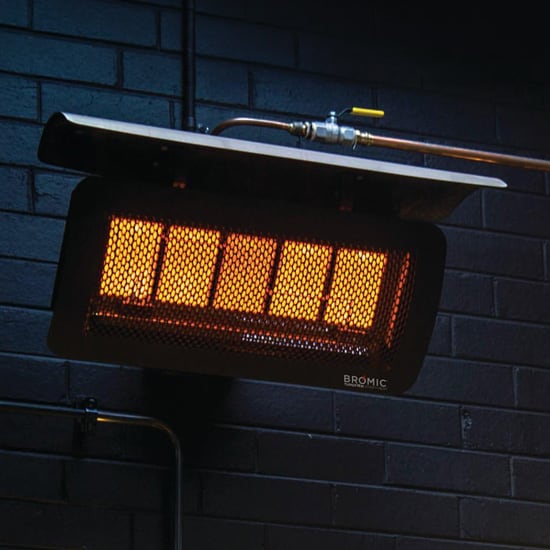
Infrared heaters warm people and objects directly instead of just the surrounding air, so heat feels instant and holds up in a breeze. It's the efficient, modern default for most outdoor spaces now, not a niche upgrade, and quartz-element units in particular run especially clean.
Weatherproof rating
If a heater lives outside year-round, look for an IP65 rating or higher. That's your assurance it can shrug off rain, dust, and grease without issue.
Smart and remote controls
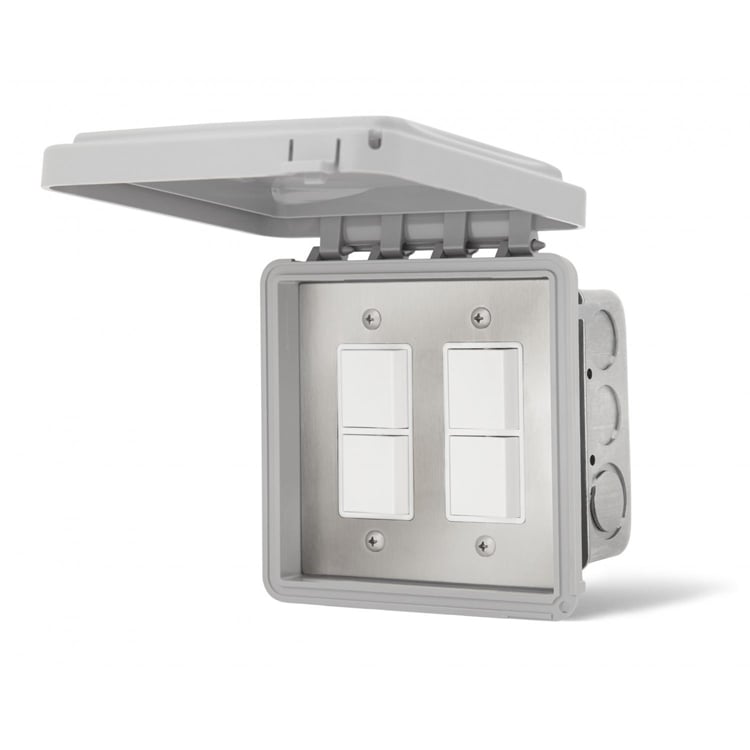
Remotes, app control, and home-automation integration (Bromic Smart-Heat is one example) are standard across the category now. They're especially handy for wall- and ceiling-mounted units you can't reach by hand.
Safety features
Confirm tip-over protection, overheat shut-off, anti-tilt technology, and UL or ETL certification before you buy, and always check your manual's clearance-to-combustibles distance before mounting anything.
Low-visibility heat
Medium-wave, glare-reduction models deliver the same warmth as older short-wave heaters without the harsh orange glow.
Multi-heater zone control
Wiring several mounted heaters into a single control channel lets you scale heat evenly across a large patio or commercial space; no forest of standalone units required.
Which Patio Heater Is Right for You?
Still not sure which patio heater fits your setup? Match your space and habits to one of these profiles:
Casual host with a small patio or balcony:
A tabletop or compact electric infrared heater is your best bet. It's plug-and-play, warms a tight seating cluster, and takes up zero floor space.
Frequent entertainer with a large, open patio:
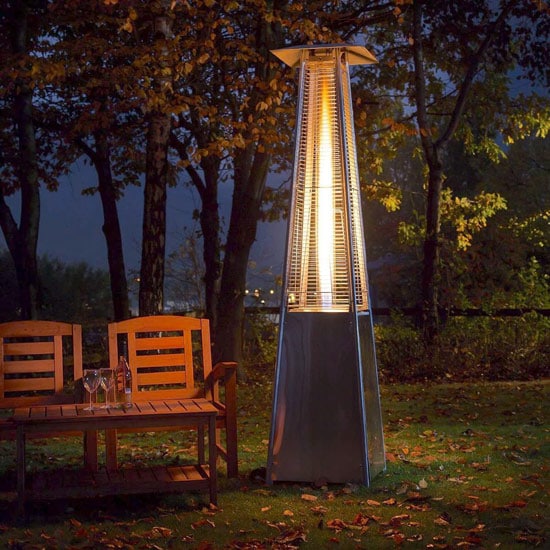
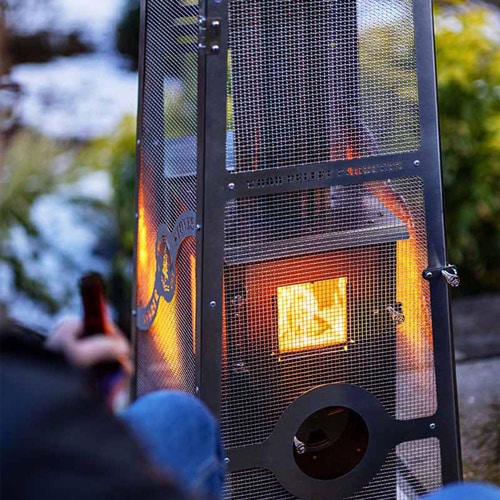
Go with a high-BTU freestanding propane heater (or two). They're movable and wind-tolerant, so you can reposition heat as your crowd grows, and the layout changes.
Outdoor-kitchen or covered-patio builder:
A wall- or ceiling-mounted Infrared heater keeps the floor clear and integrates cleanly with the build. Plan your wiring and gas lines before construction starts, not after.
Efficiency- and design-minded buyer:
Electric Infrared is the move here with no emissions, low maintenance, and a minimalist profile that disappears into your architecture instead of competing with it.
Patio Heater Accessories
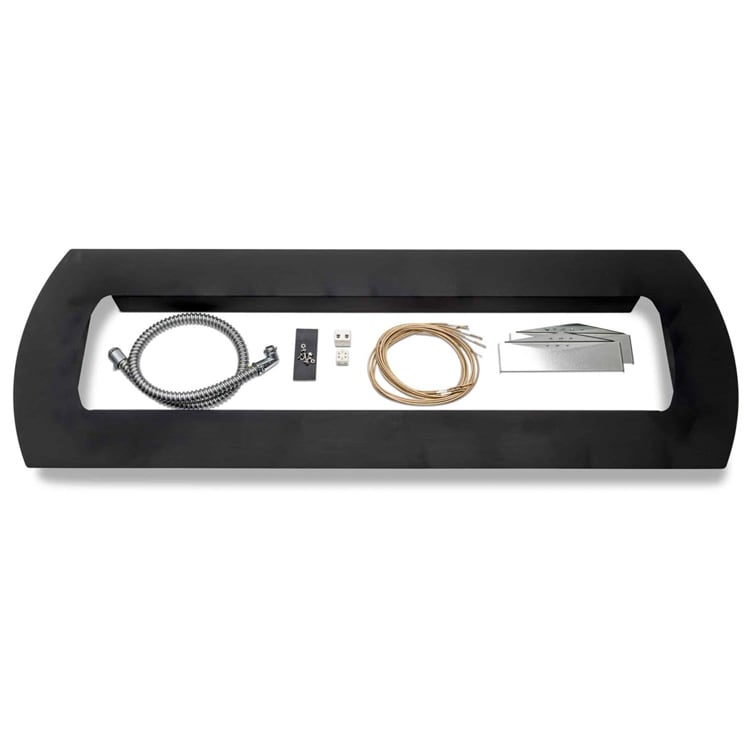
Round out your setup with the right patio heater accessories:

Patio Heater Warranties
We're proud to feature outdoor heating brands that offer a wide range of product warranties. To find out the length of warranty per brand—and the specifics of those warranties—check out our Patio Heater Warranty Comparison Chart.
Patio Heater FAQs
Not sure how many units your space needs? Our free design service can help, or call our experts at 1-877-743-2269. Because life is better in your backyard.

