
)
)
)
)
)
)
)
)
)
)
)
)
)
)
)
)
)
)
)
)
)
)
)
)
)
)
)
)
)
)
)
)
)
)
)
)
)
)
)
)
)
Charcoal Grills for Every Backyard and Budget
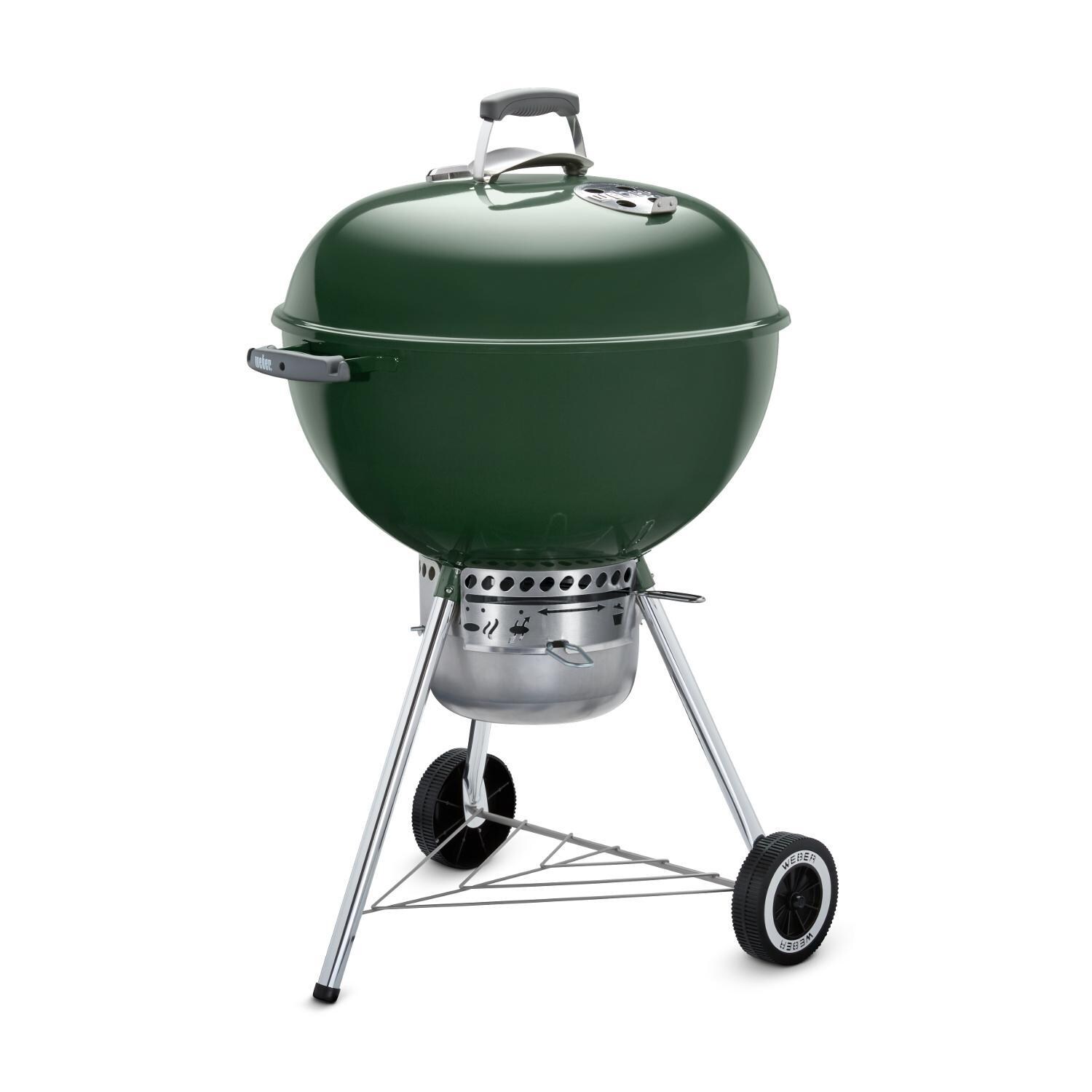
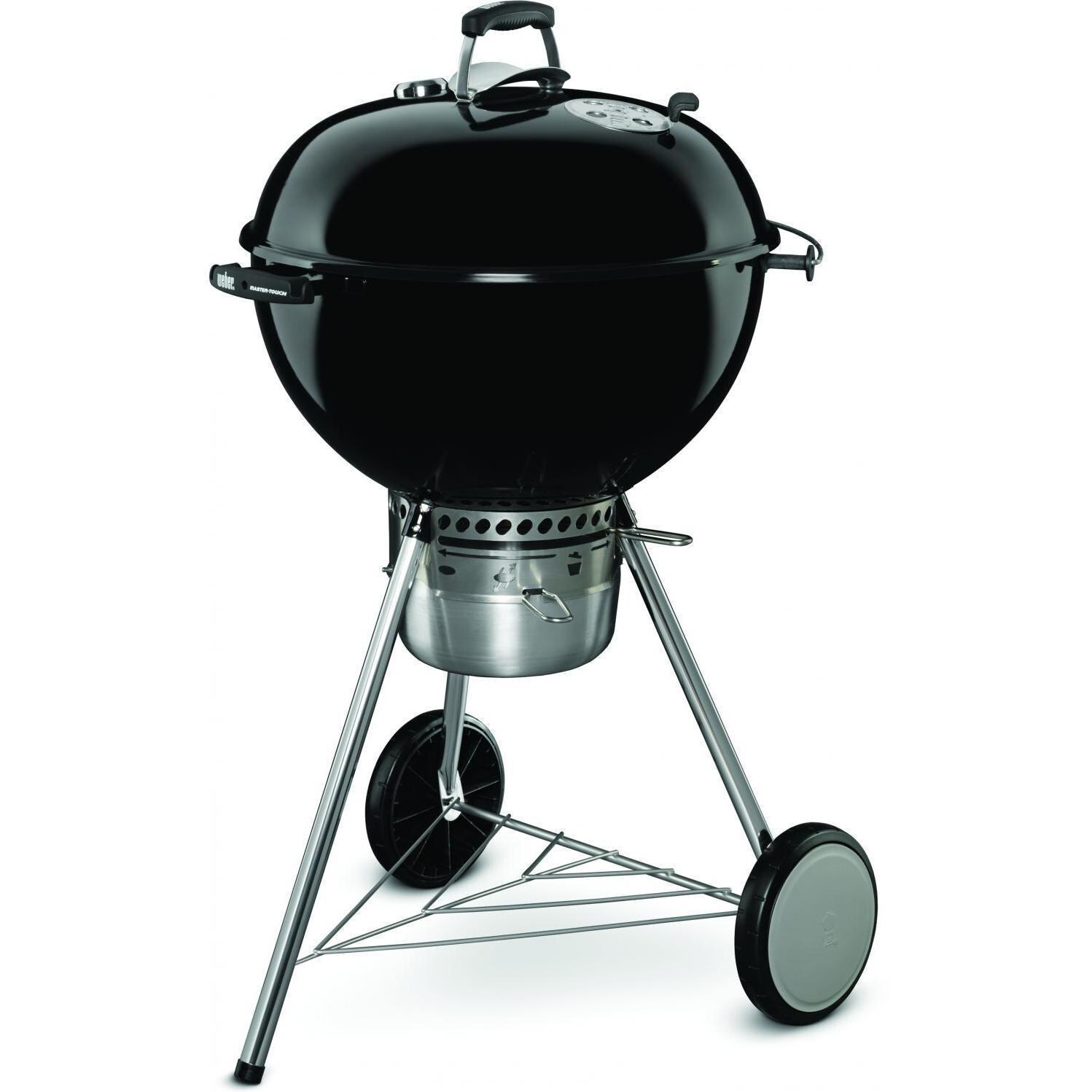
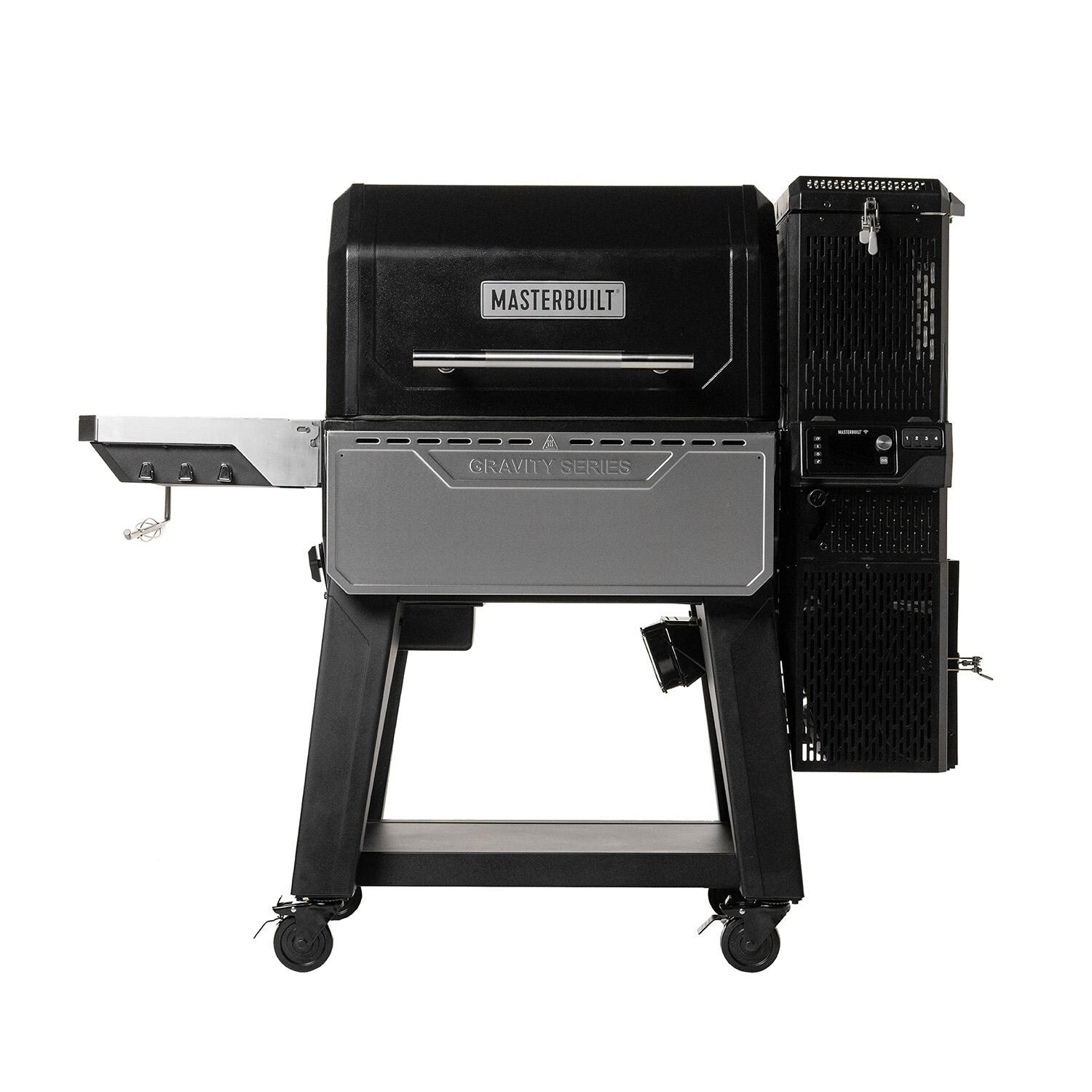
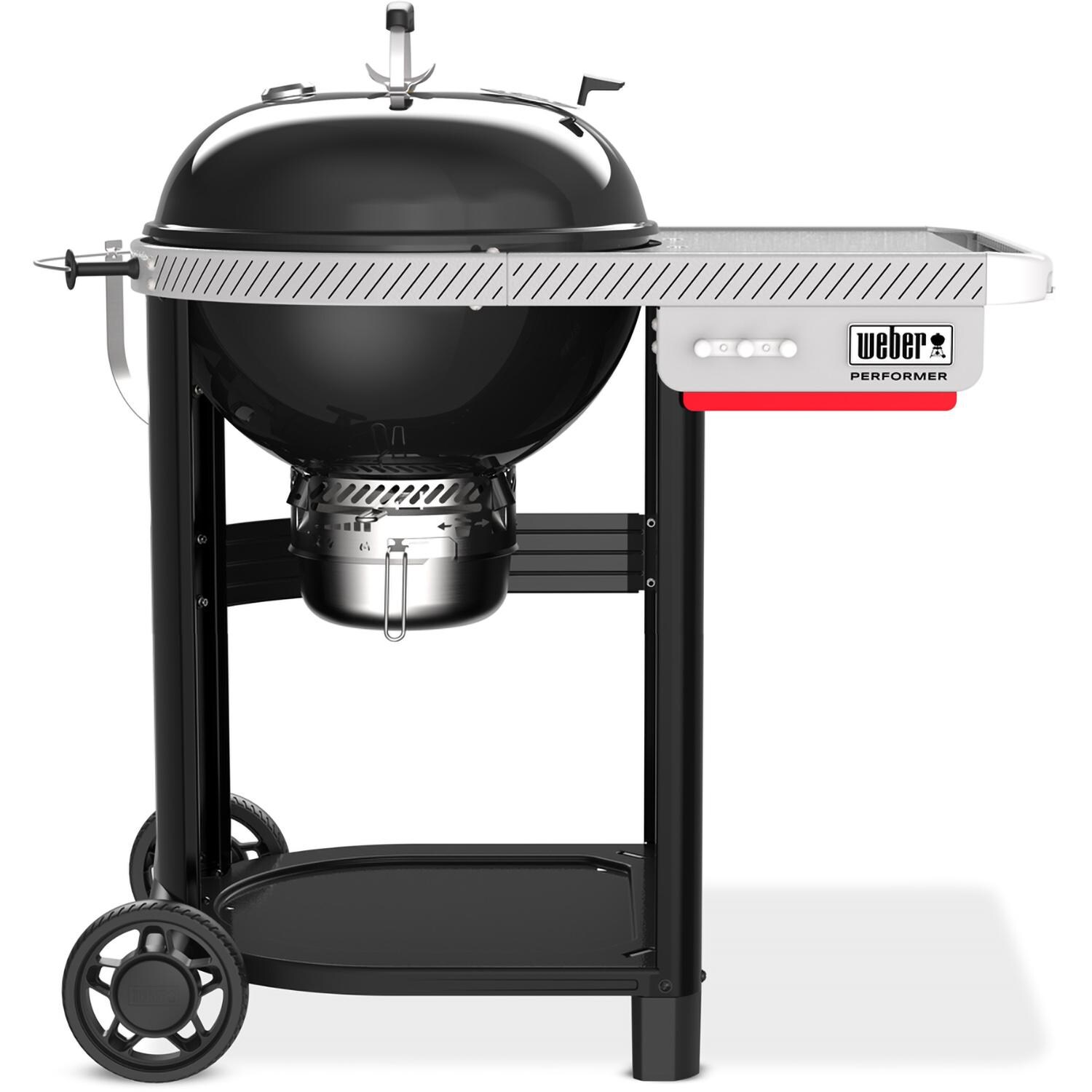
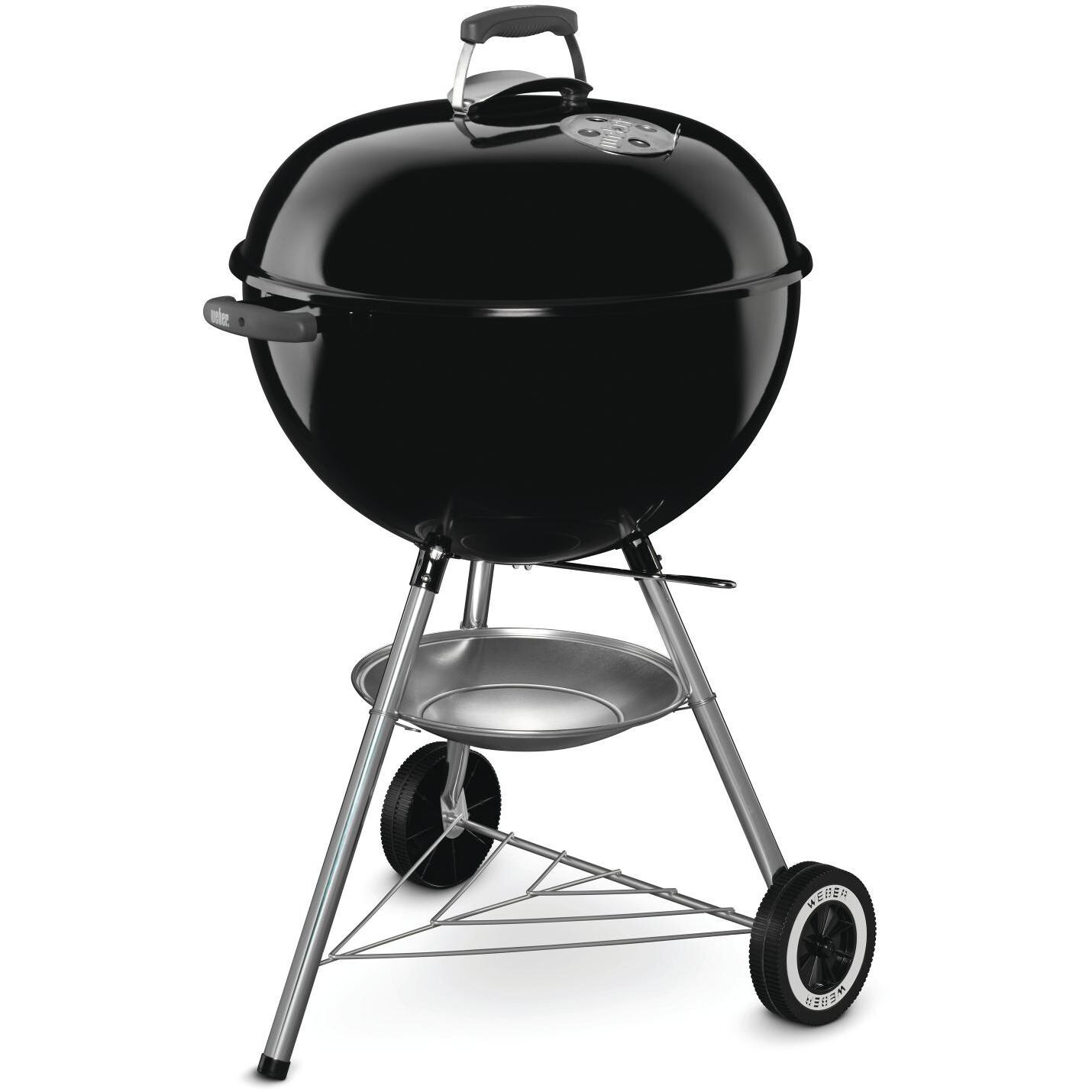
There's a reason charcoal barbecue has stuck around since the first BBQ grills sold in America: nothing else delivers that same smoky depth of flavor. BBQGuys has stocked charcoal bbq grills since 1998, and our lineup spans everything from the classic Weber kettle to a full-featured, built-in charcoal bbq grill.
What Is a Charcoal Grill, and How Does It Work?
A charcoal grill cooks food using the direct heat and smoke of burning charcoal instead of a gas flame or electric element. That heat radiates as infrared energy, the same way a steakhouse's infrared burners work, searing food from the outside while locking in moisture. Temperature comes down to 2 things: how much charcoal you're burning and how much air reaches it, usually controlled with sliding vents or dampers. Add wood chips directly to the coals and you get real wood-fired flavor with no smoker box required. Charcoal itself comes in 2 main forms: lump charcoal, all-natural wood with no additives, and briquettes, which burn more consistently over a longer stretch, making them easier to manage on extended cooks.
How Long Does Charcoal Take to Heat Up?
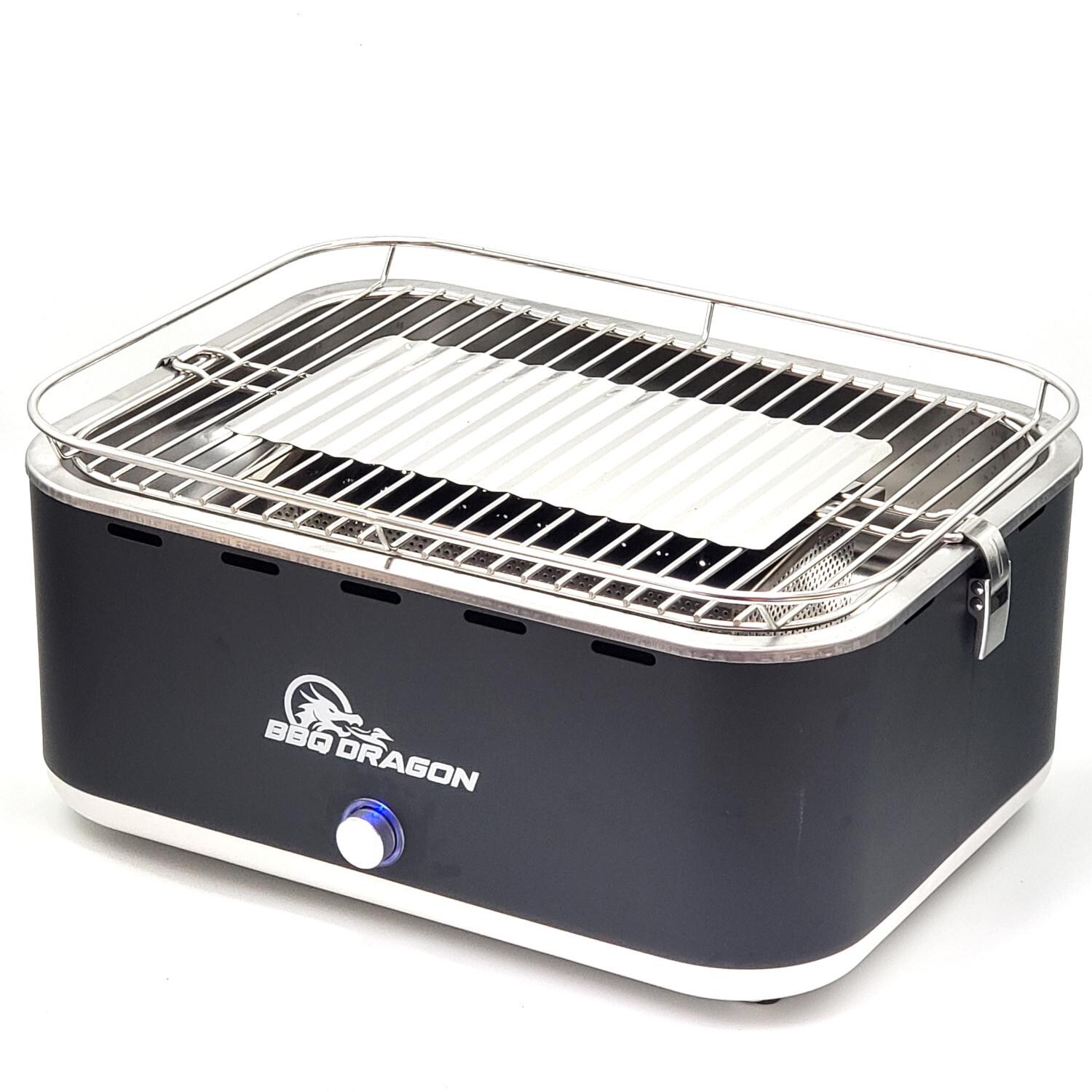
Most charcoal bbq grills are ready to cook in 15 to 20 minutes once your coals are lit and covered in gray ash. A charcoal chimney is the fastest, cleanest way to get there, no lighter fluid aftertaste required. Some luxury and premium models speed this up further with a built-in electric charcoal starter or push-button ignition.
Charcoal Grills vs. Gas Grills
A charcoal bbq grill has a few real advantages a gas grill can't match. Charcoal has no maximum temperature setting, so you can get it hotter than most gas burners allow, and that same direct heat locks in moisture for juicier results than other cooking methods. Charcoal also produces genuine wood-fired flavor just by adding chips to the coals, and because they skip the burners and valves a gas grill needs, charcoal barbecues tend to cost less upfront. The tradeoff is convenience: charcoal takes longer to light and requires more hands-on management than turning a knob.
Choosing a Configuration
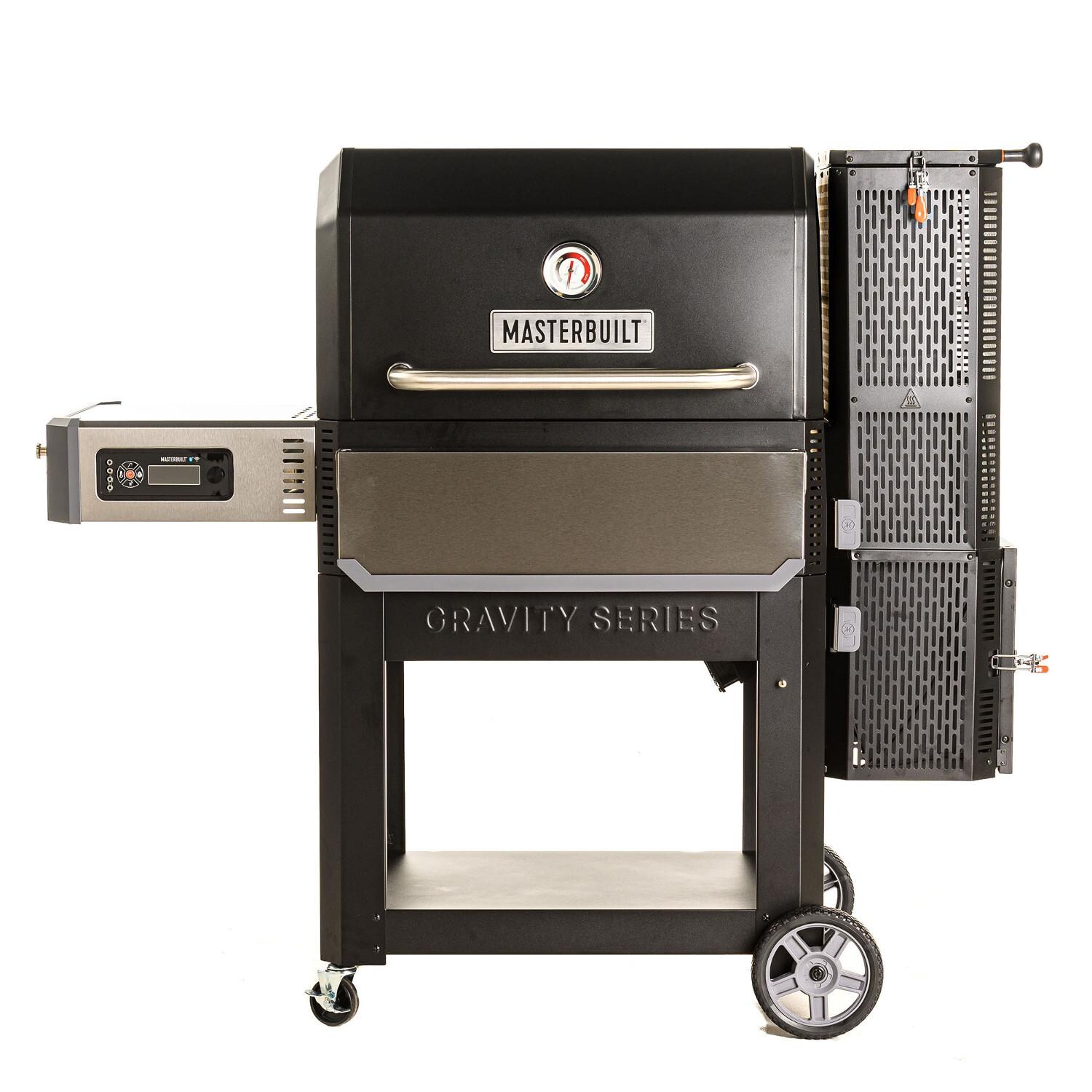
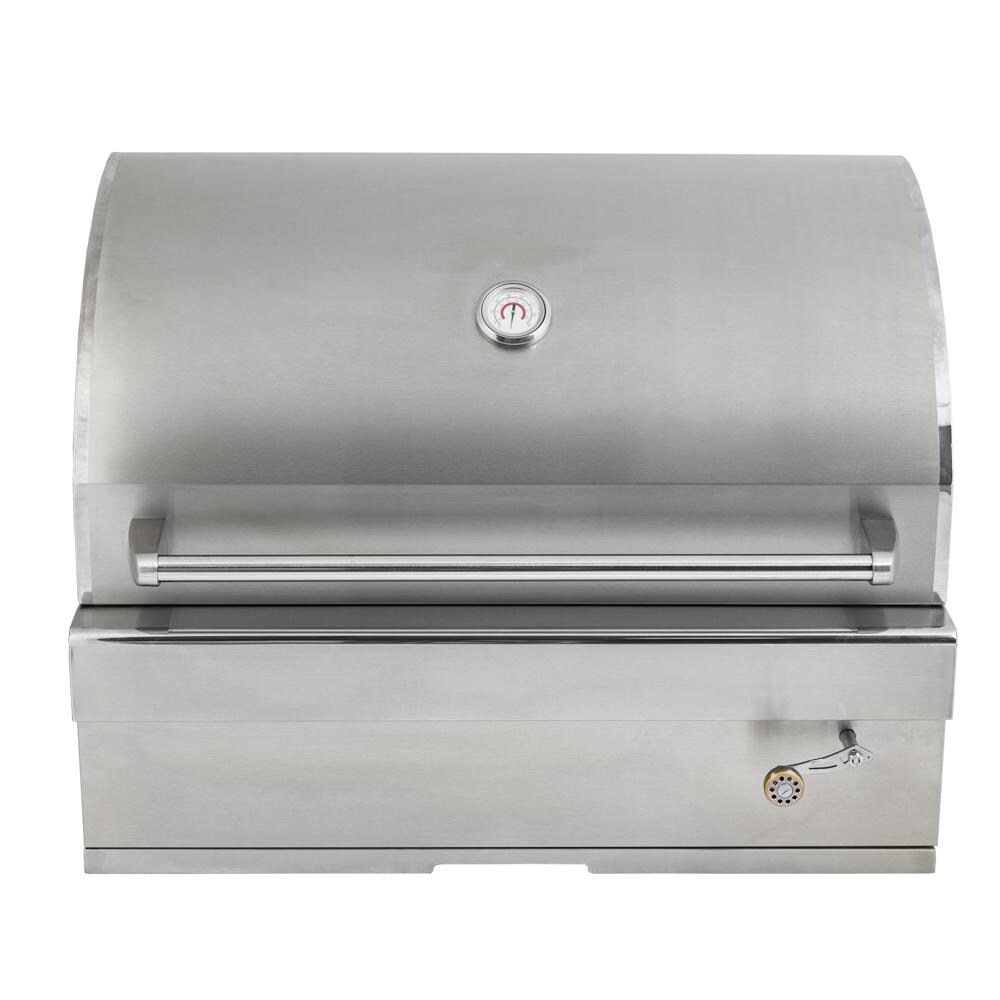
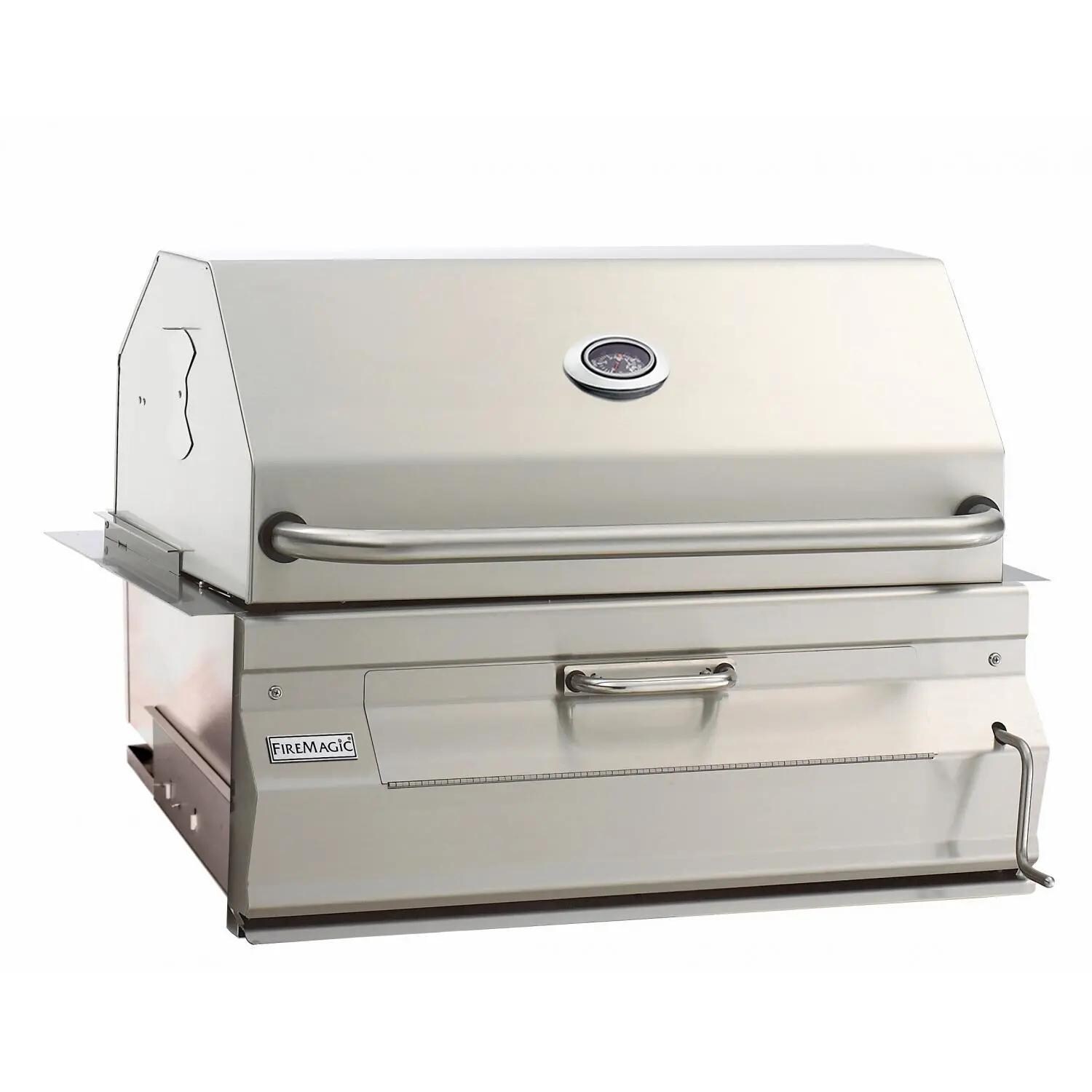
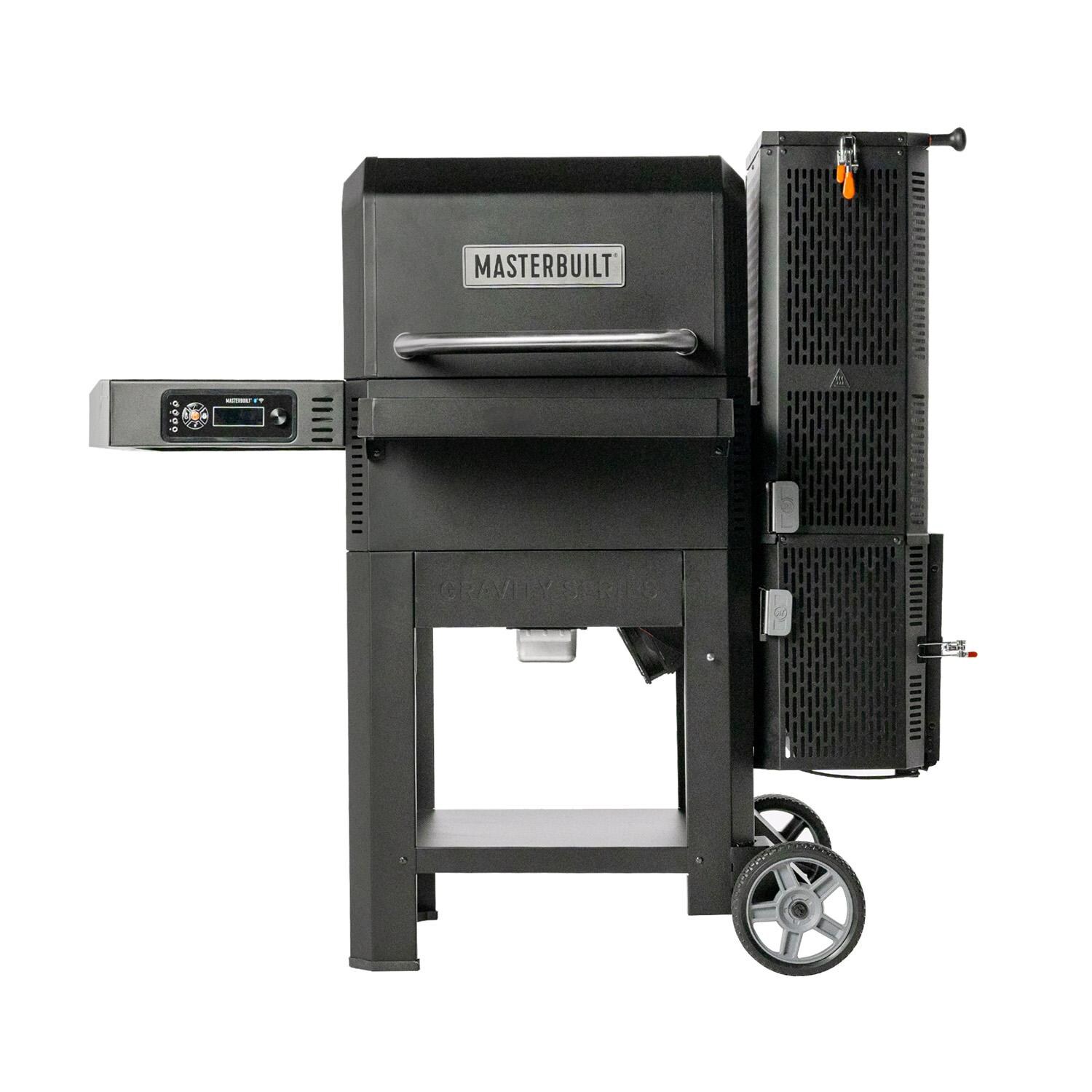
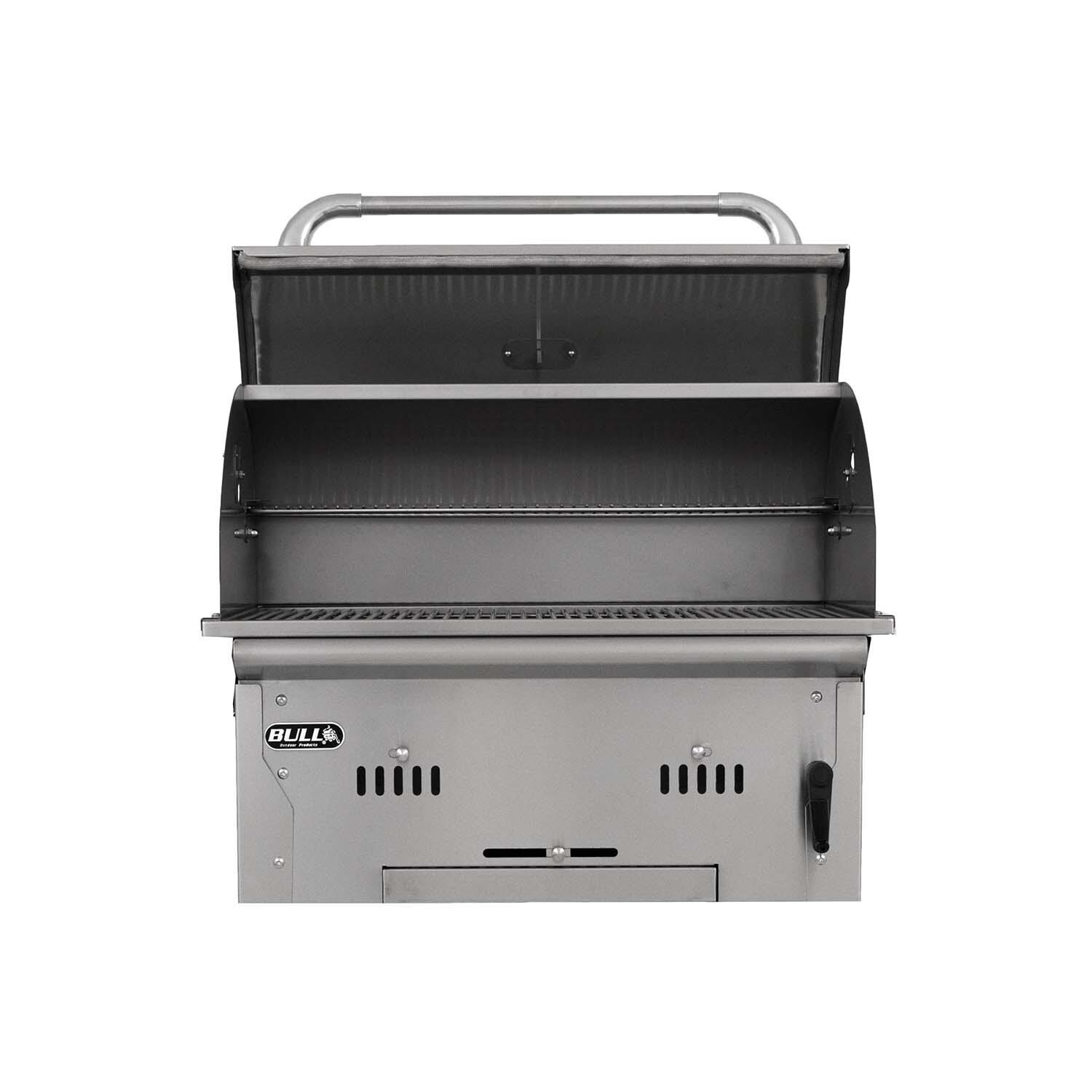
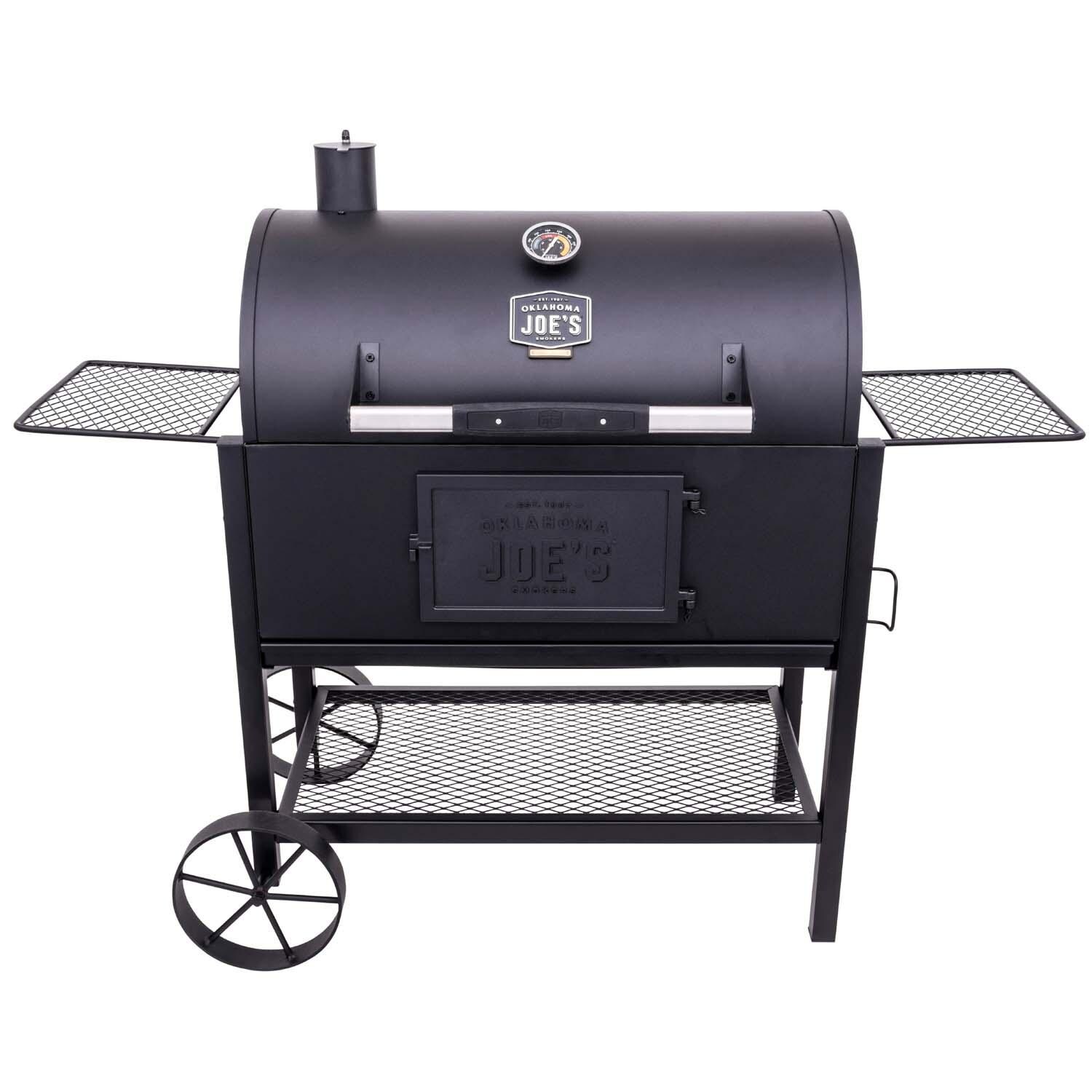
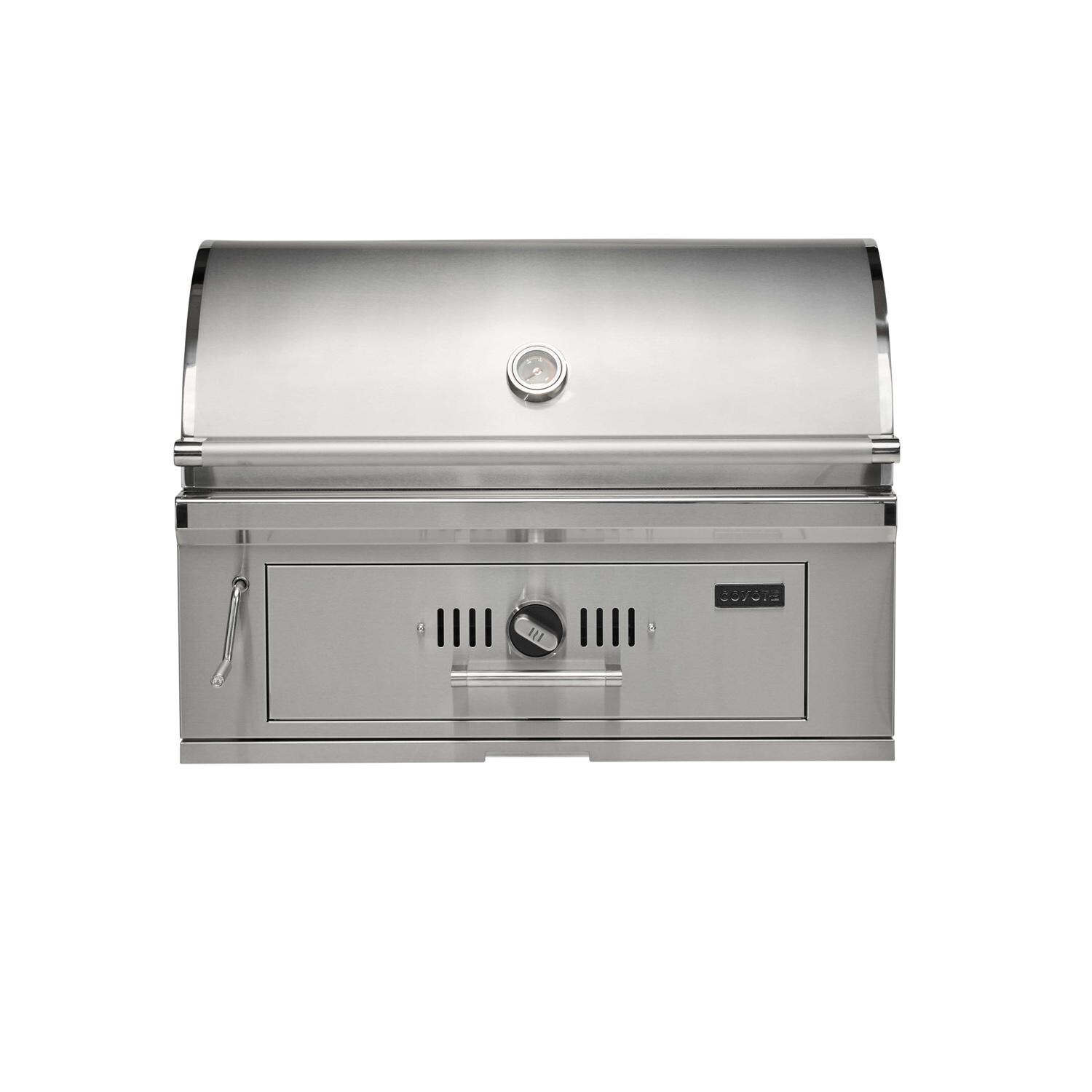
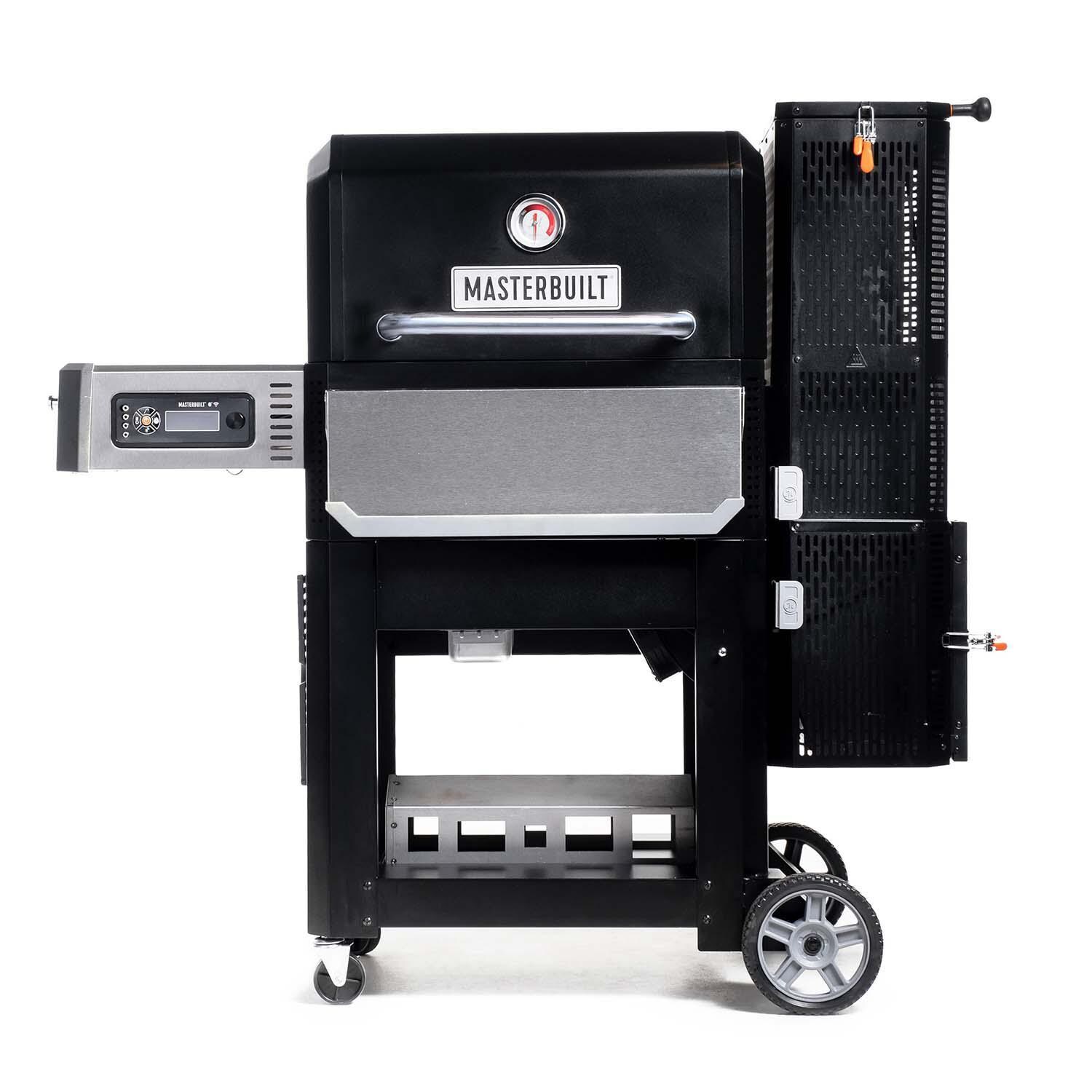
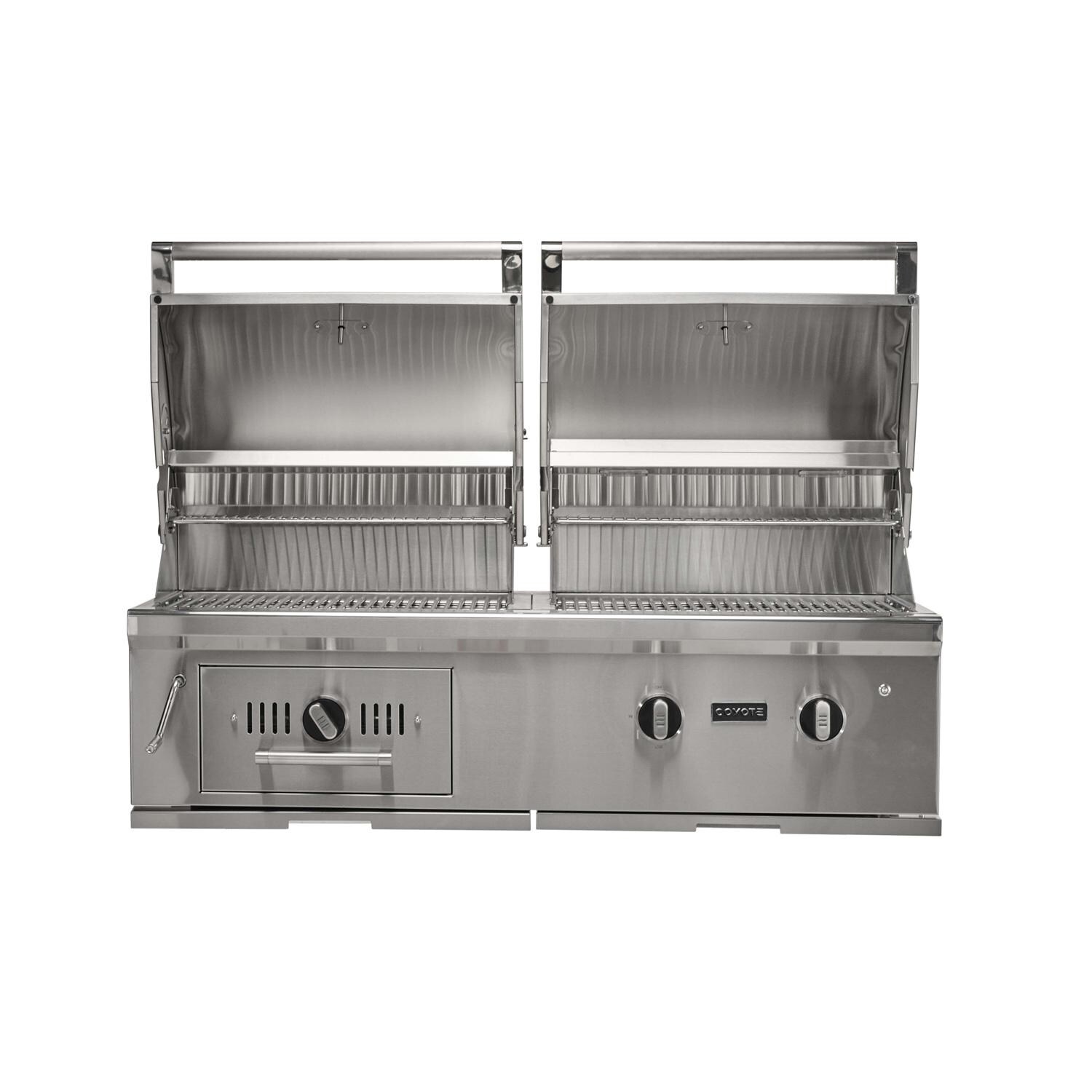
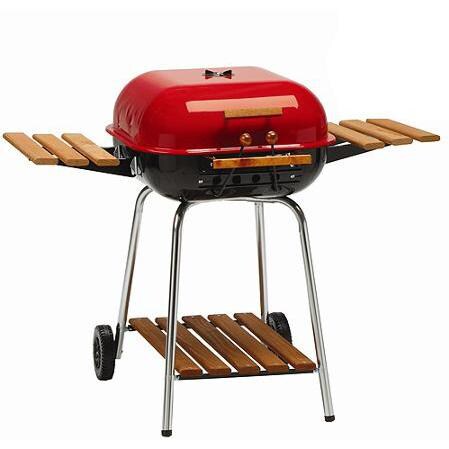
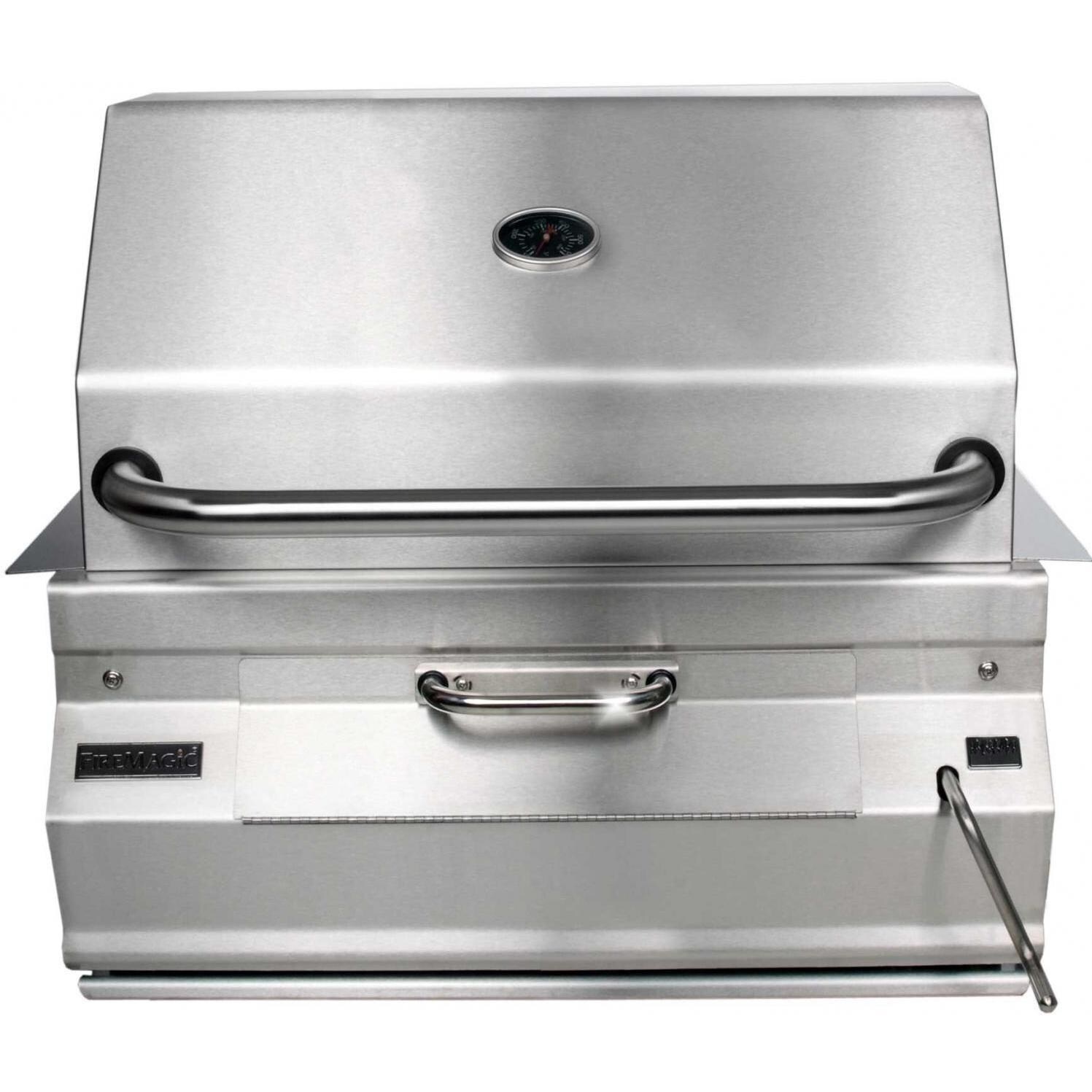
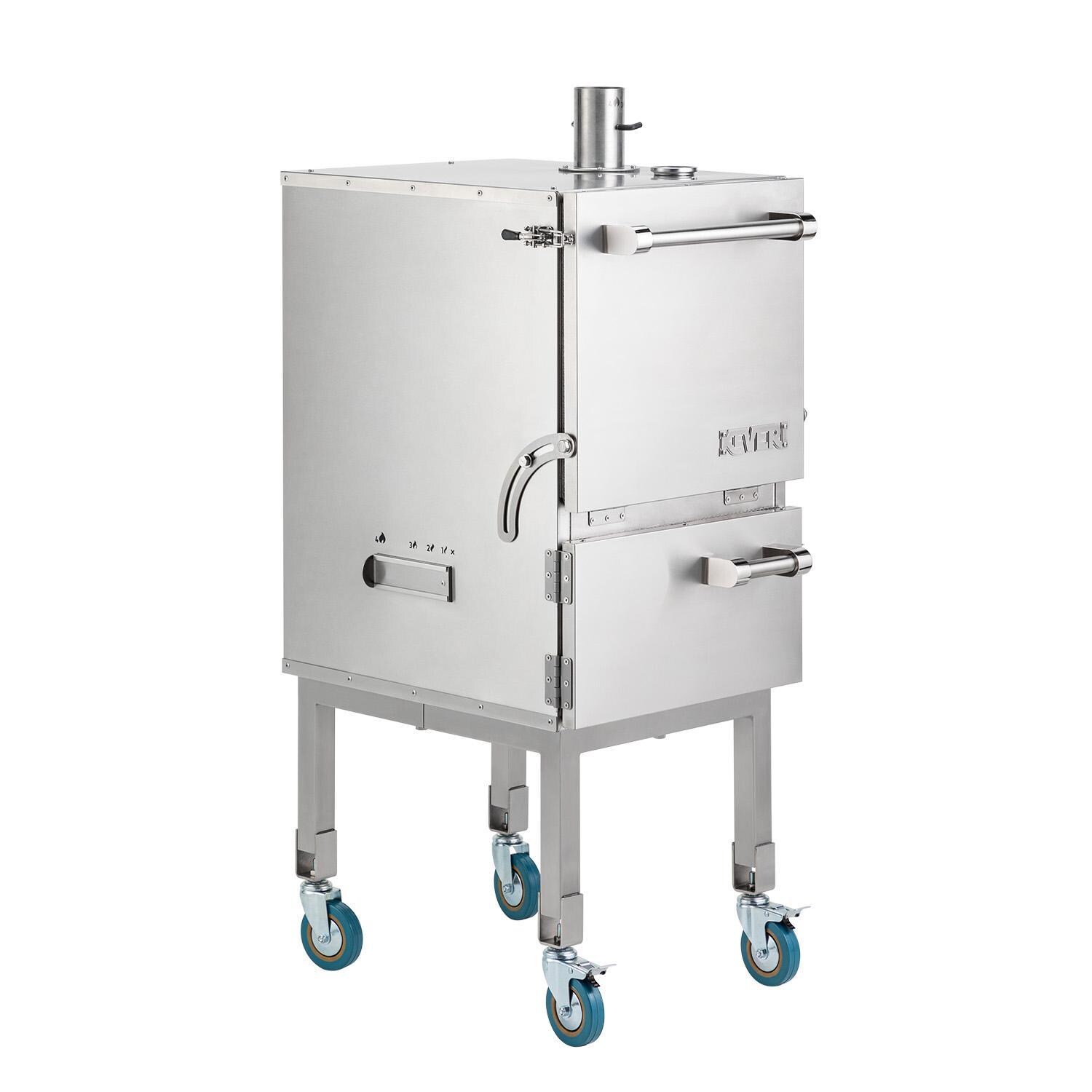
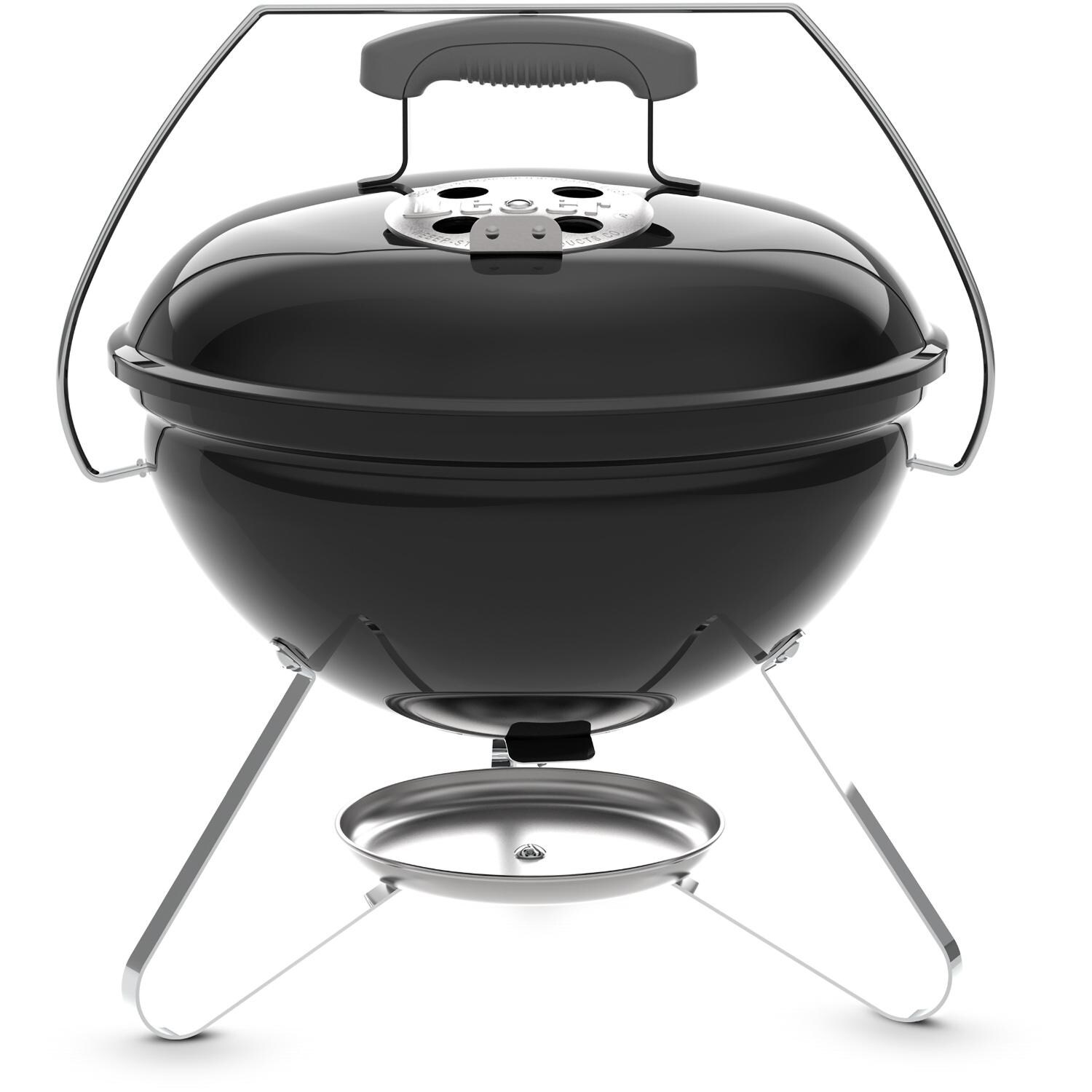
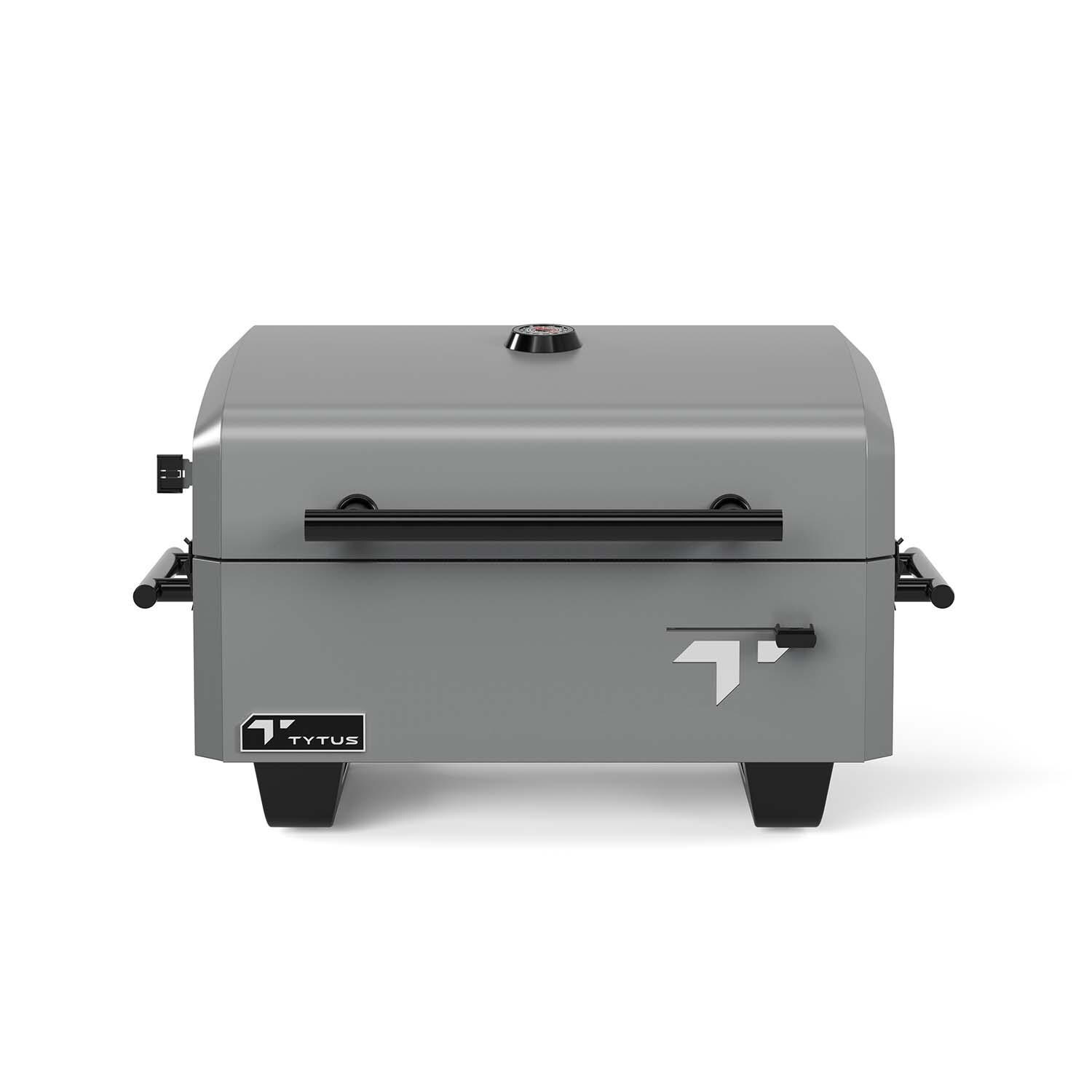
Freestanding models come as a cart-mounted grill head or a grill on legs, offering mobility around the yard or to a tailgate, and they're generally easier to clean than a built-in. Built-in charcoal grills install directly into a BBQ island cutout just like a gas grill, giving your outdoor kitchen a charcoal option built from the same commercial-grade stainless steel as the rest of your setup. If portability matters most, a portable charcoal grill trades cooking surface for something you can take camping, tailgating, or on a picnic.
Choosing the Right Size
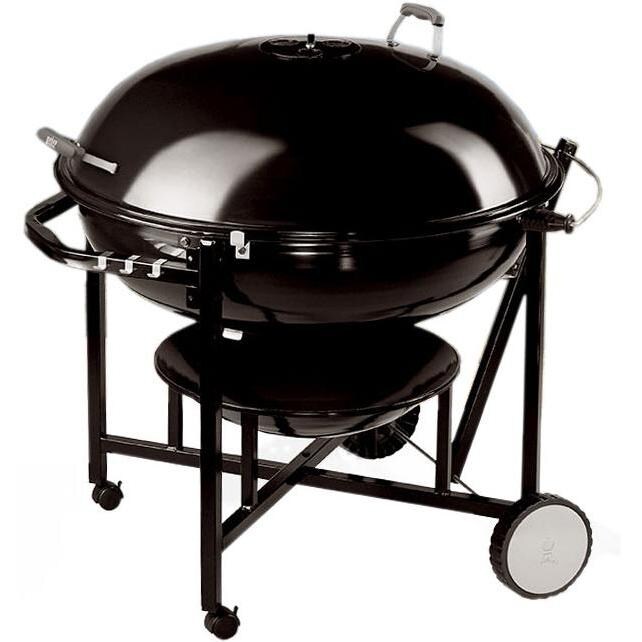
Small charcoal grills top out around 26 inches wide, ideal for couples or small families, though they generally limit you to direct heat only. Medium models run 27 to 33 inches, giving you enough room to bank coals to one side for dual-zone cooking. A large charcoal grill measures 34 to 42 inches, big enough to sear 20 steaks over direct heat while simultaneously smoking 6 Boston butts on the other side. Large charcoal grills are a popular choice for anyone who entertains often. For big gatherings, XL charcoal barbecues at 43 inches and up handle virtually any setup or cooking technique you can think of. BBQGuys also organizes charcoal grills into 4 classes, Luxury, Premium, Practical, and Entry-Level, based on materials, warranty, and features, so you can filter by budget and build quality alongside size.
Charcoal Grill Brands to Know
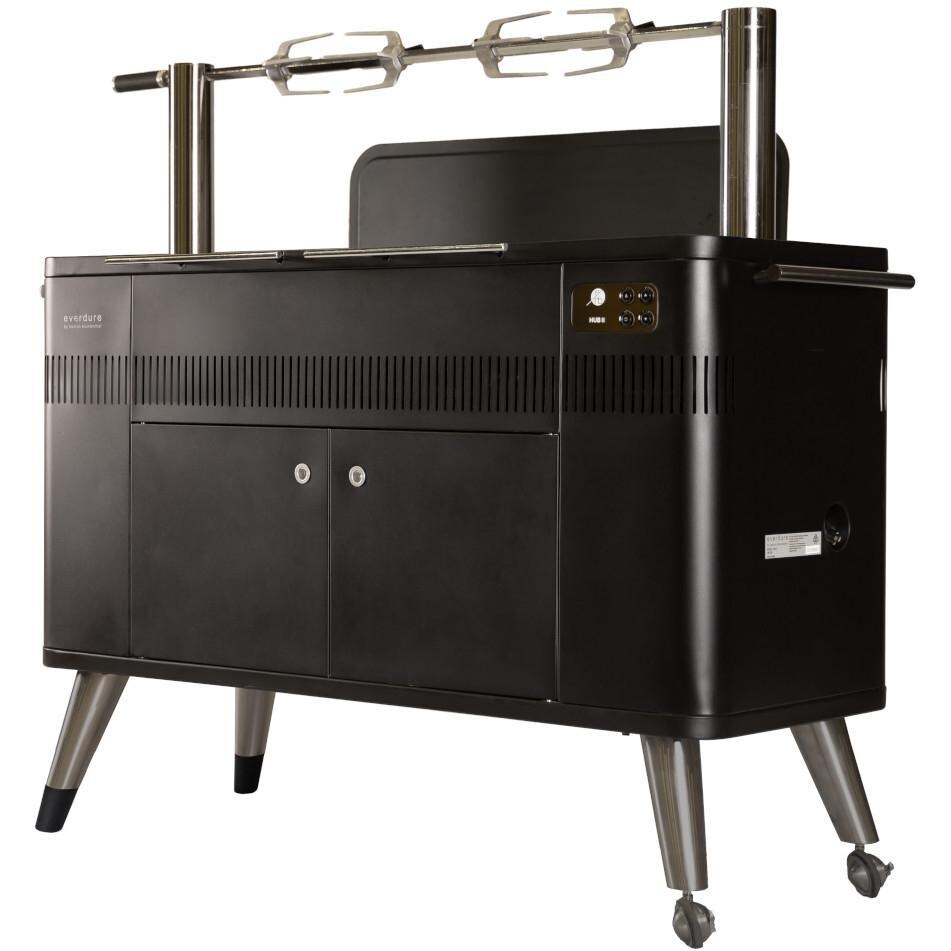
- Everdure: Known for genuine charcoal innovation, from the Hub II's hidden rotisserie that emerges at the push of a button to the 4K's automatic electric ignition and multi-probe digital thermometer.
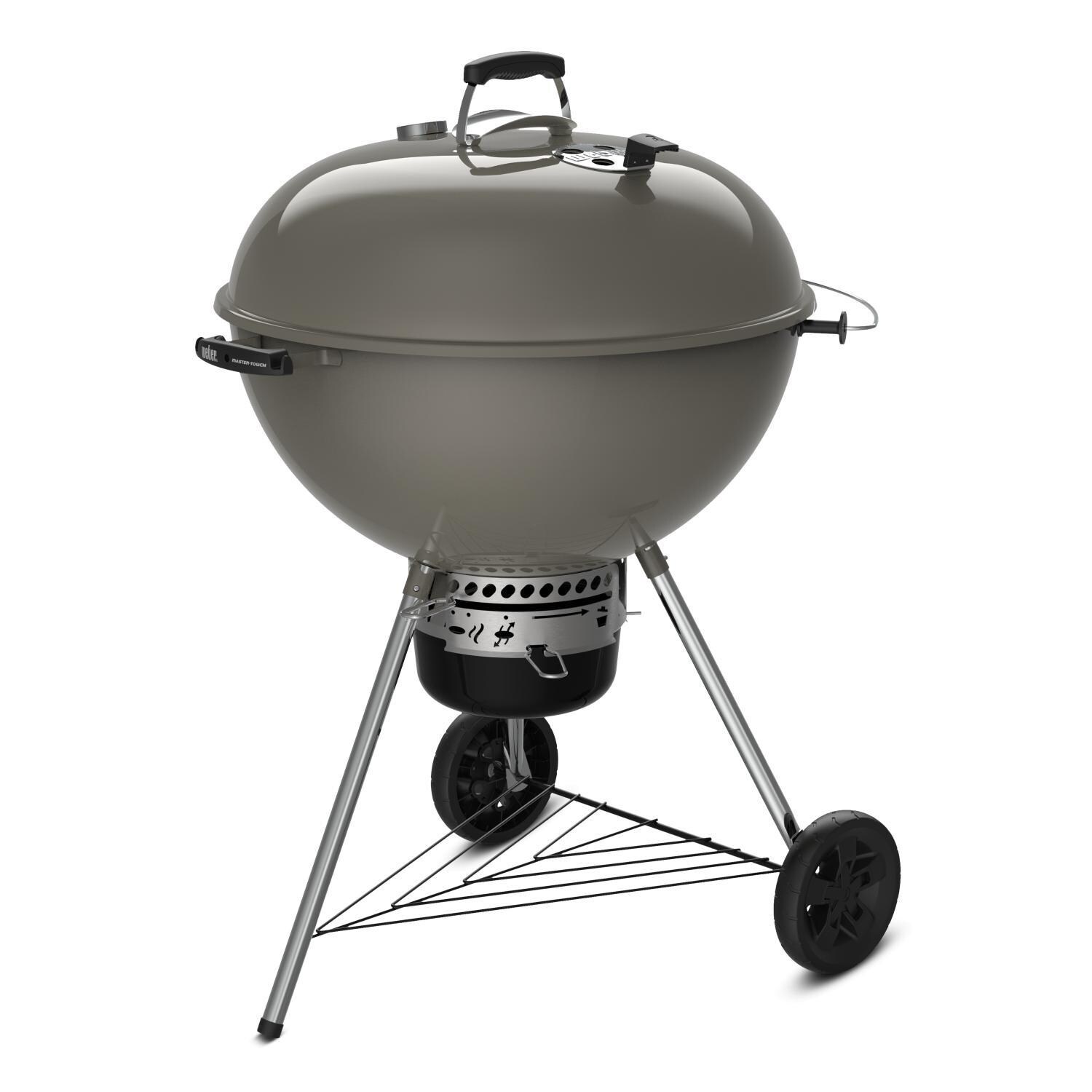
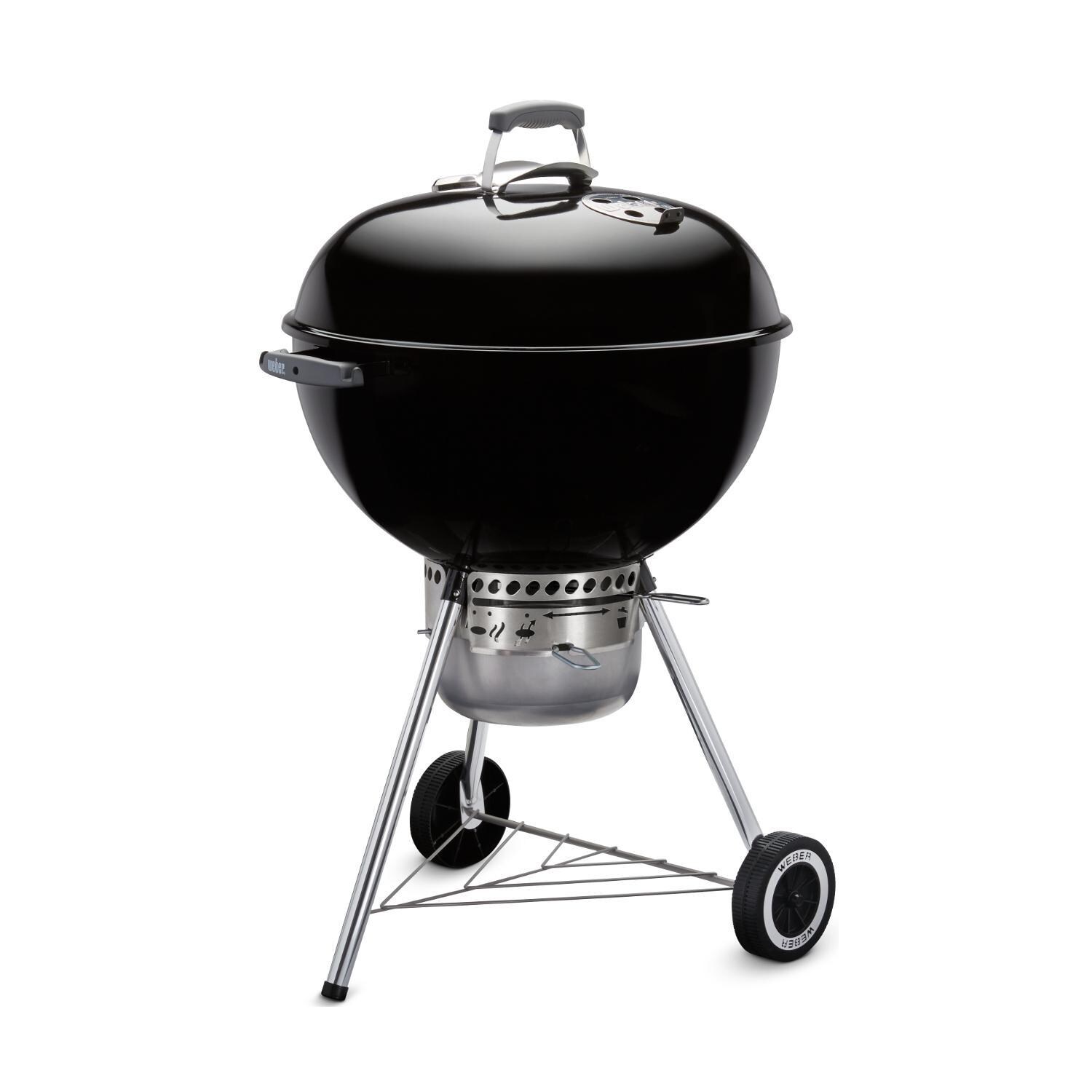
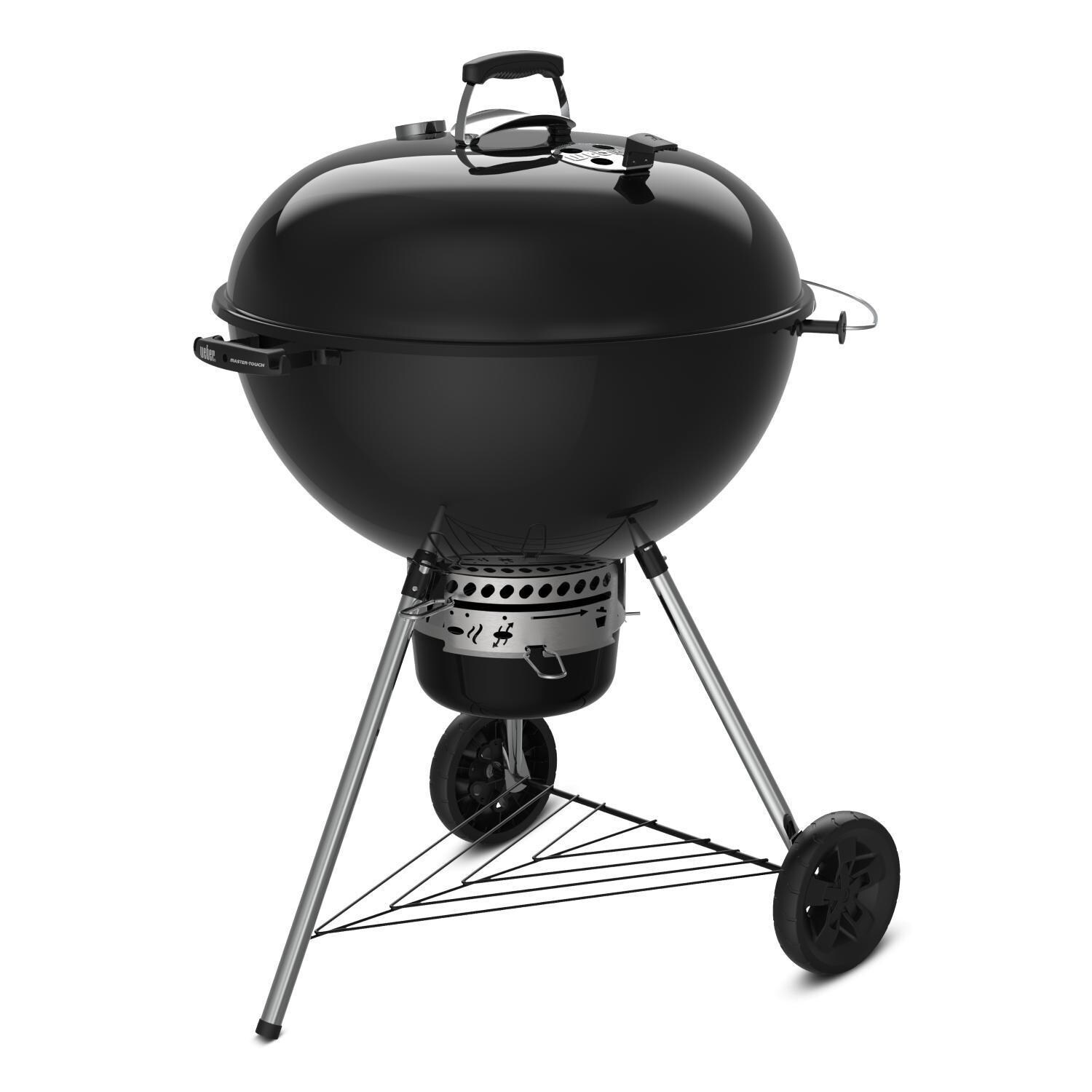
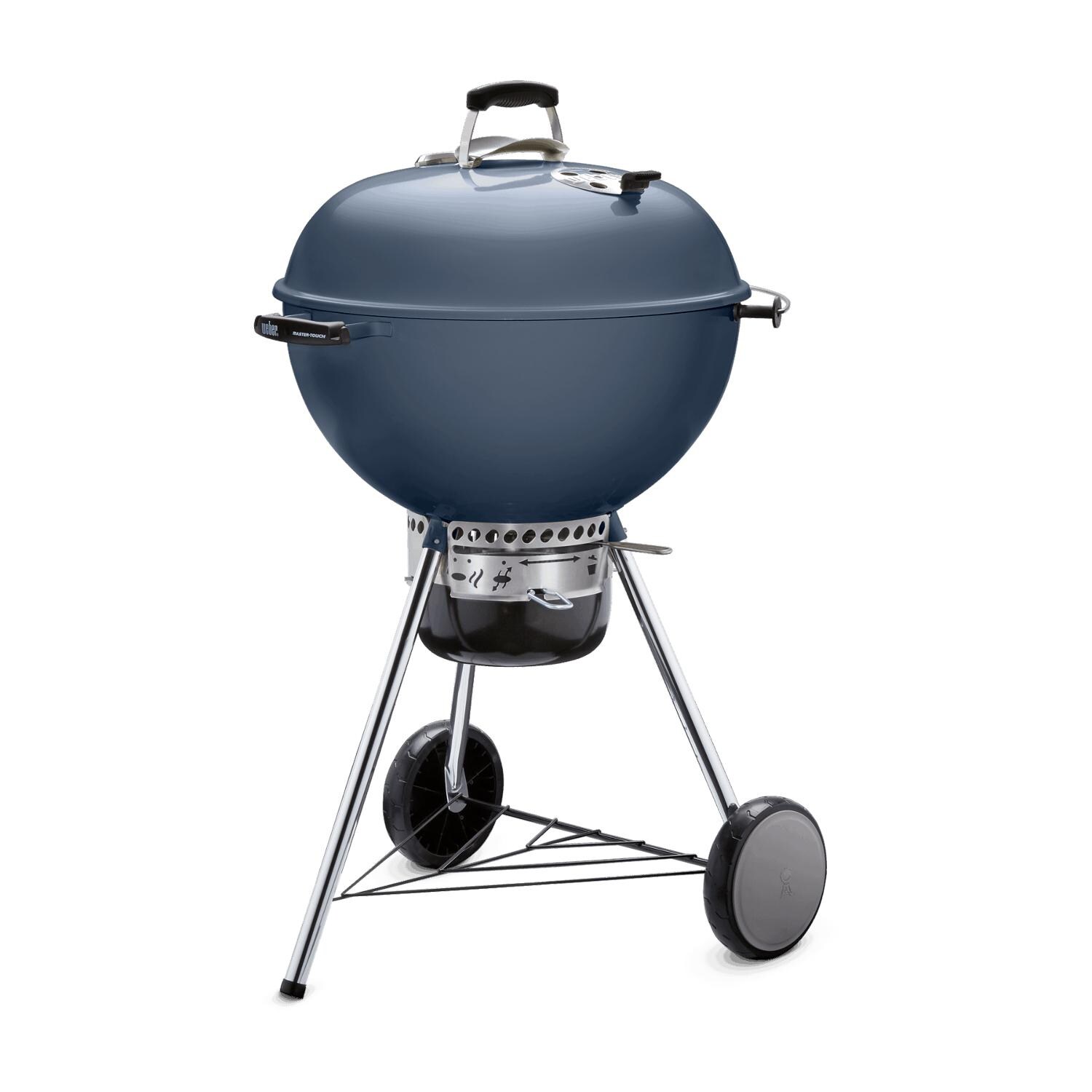
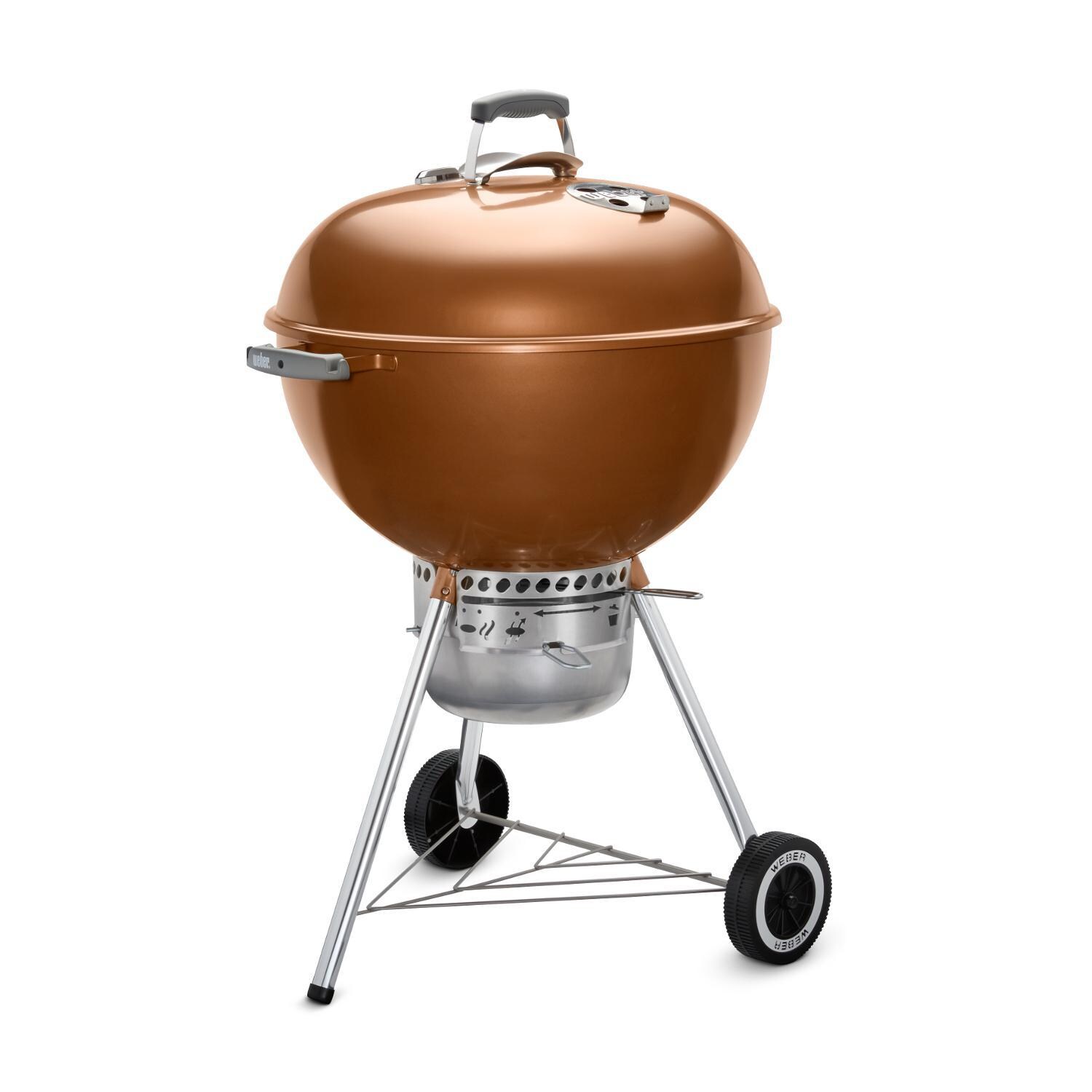
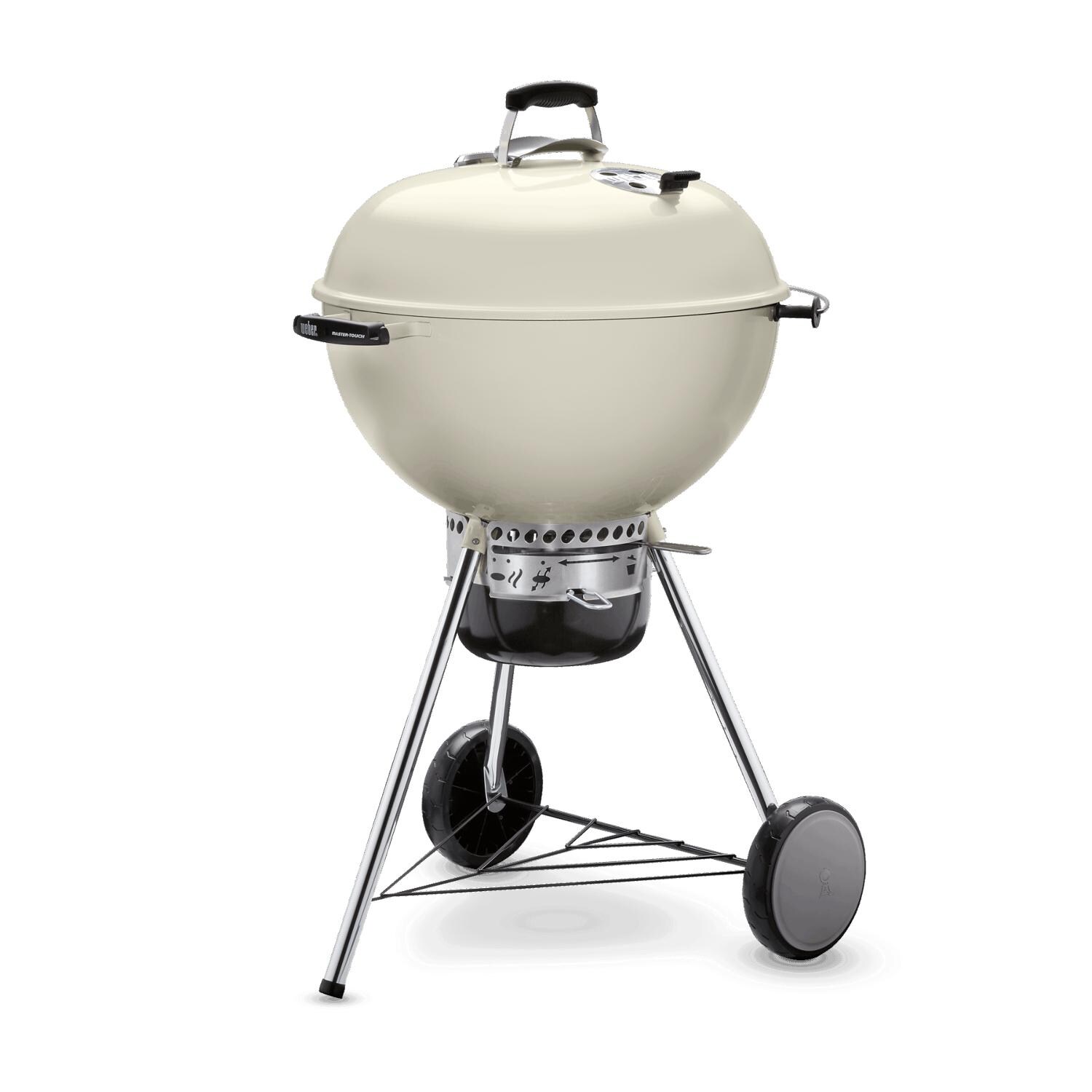
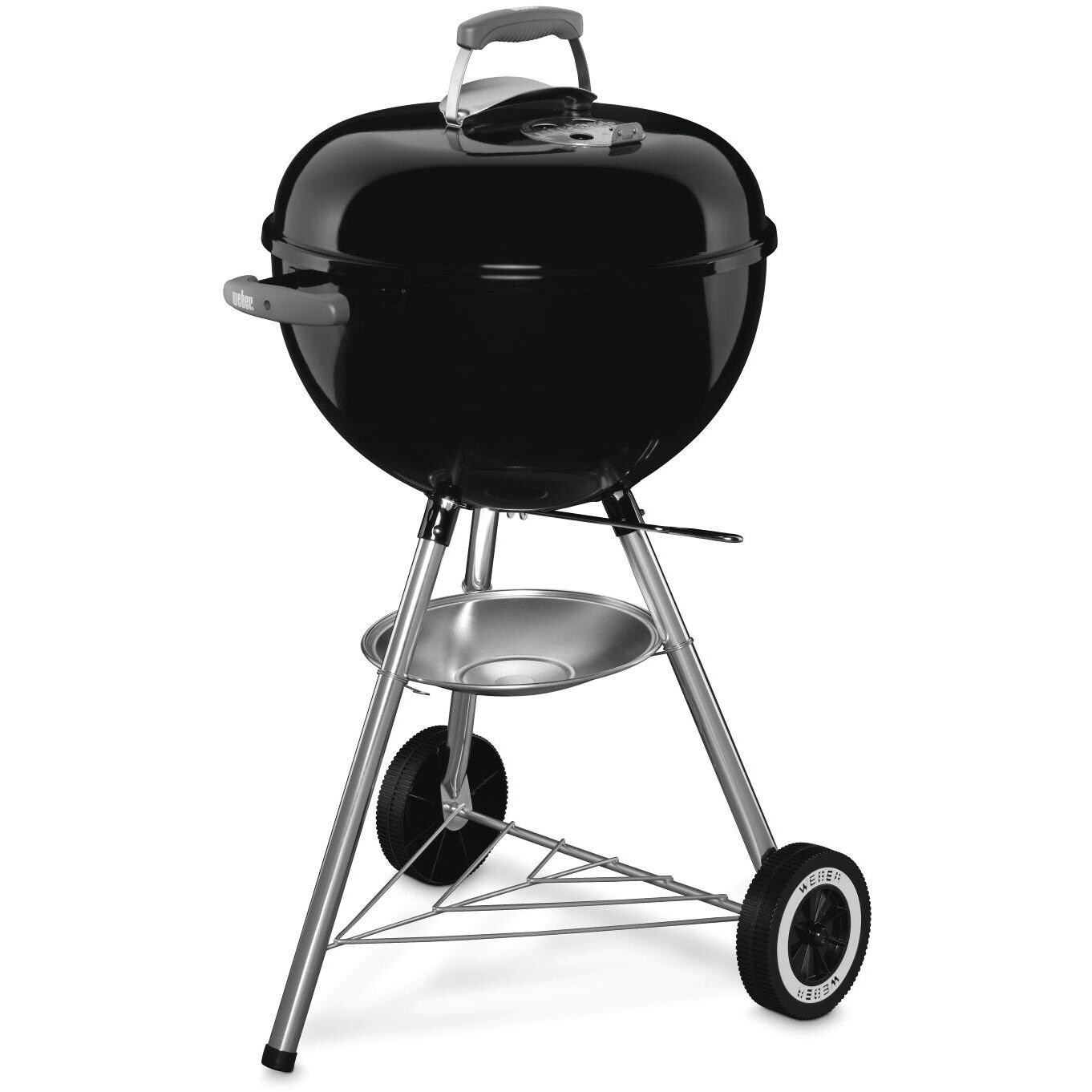
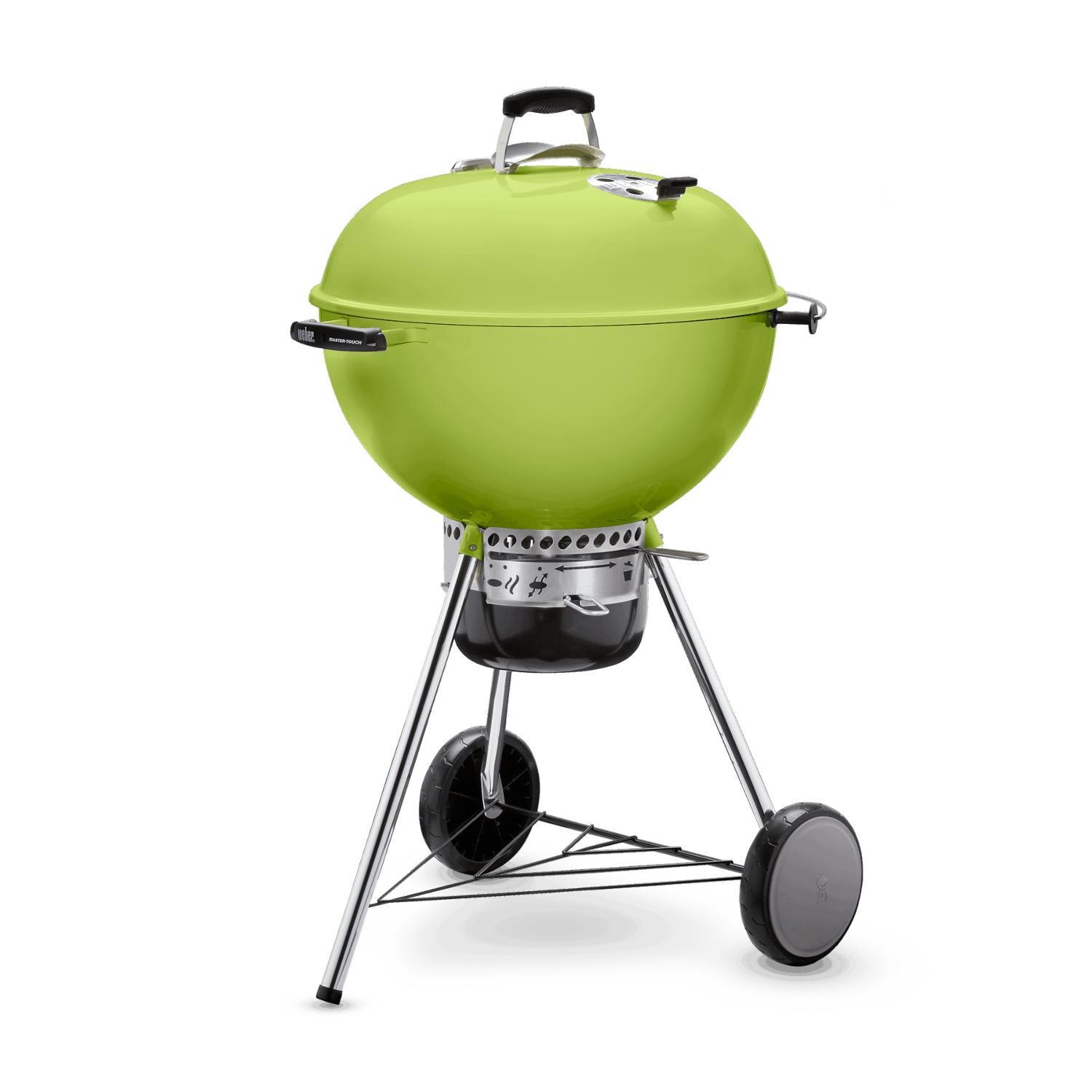
- Weber: The most iconic name in charcoal grilling, with kettle grills starting around $65 and decades of proven, simple design behind every one of them.
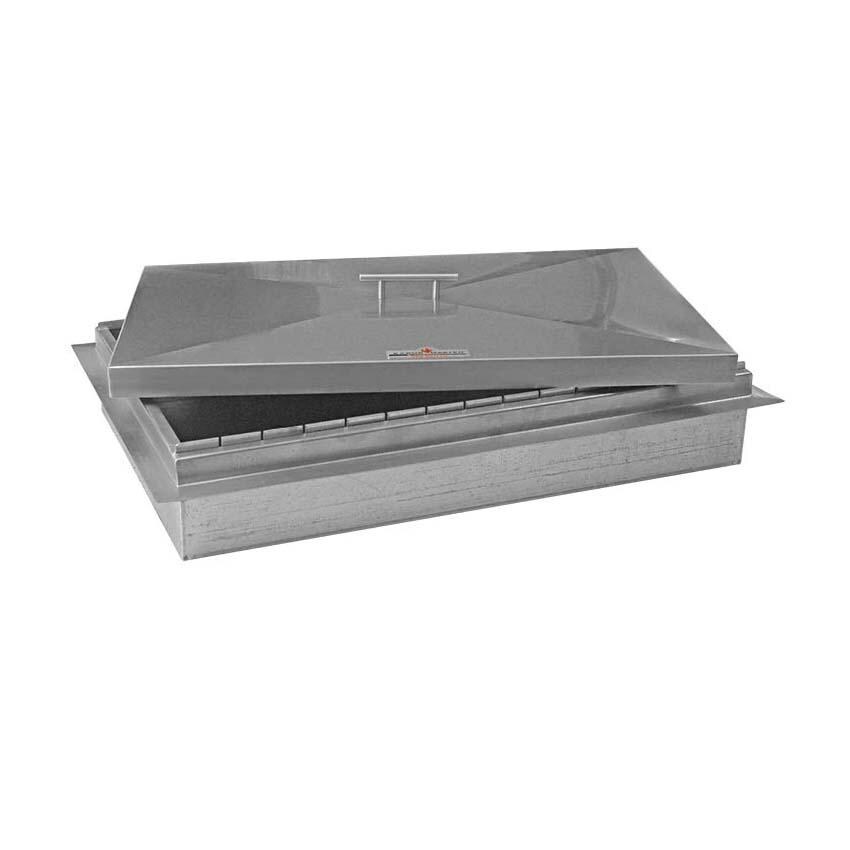
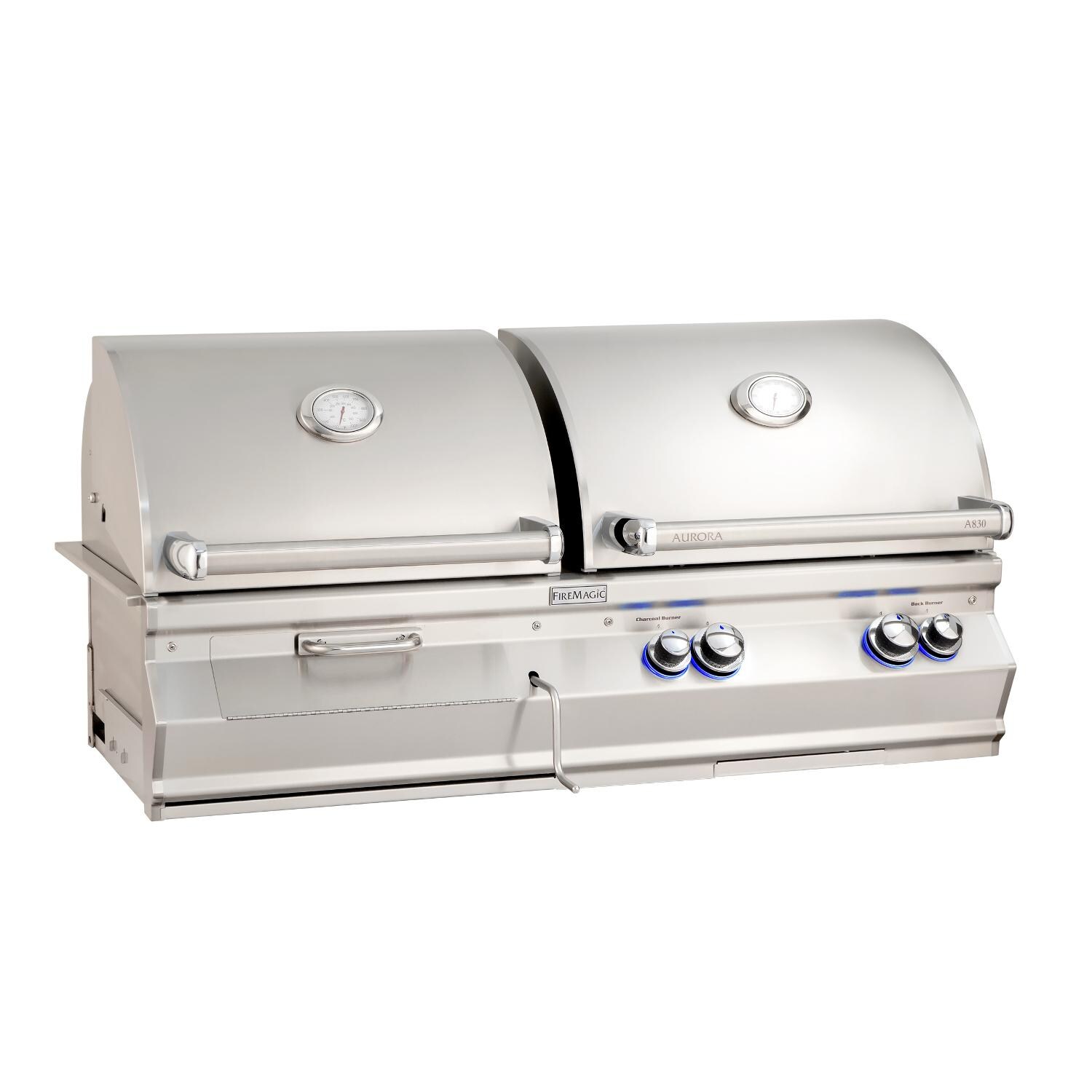
- Fire Magic: Building high-end grills since 1937, with 80-plus years behind their Firemaster and Lift-a-Fire built-in charcoal collections, both featuring adjustable-height charcoal trays for precise heat control.
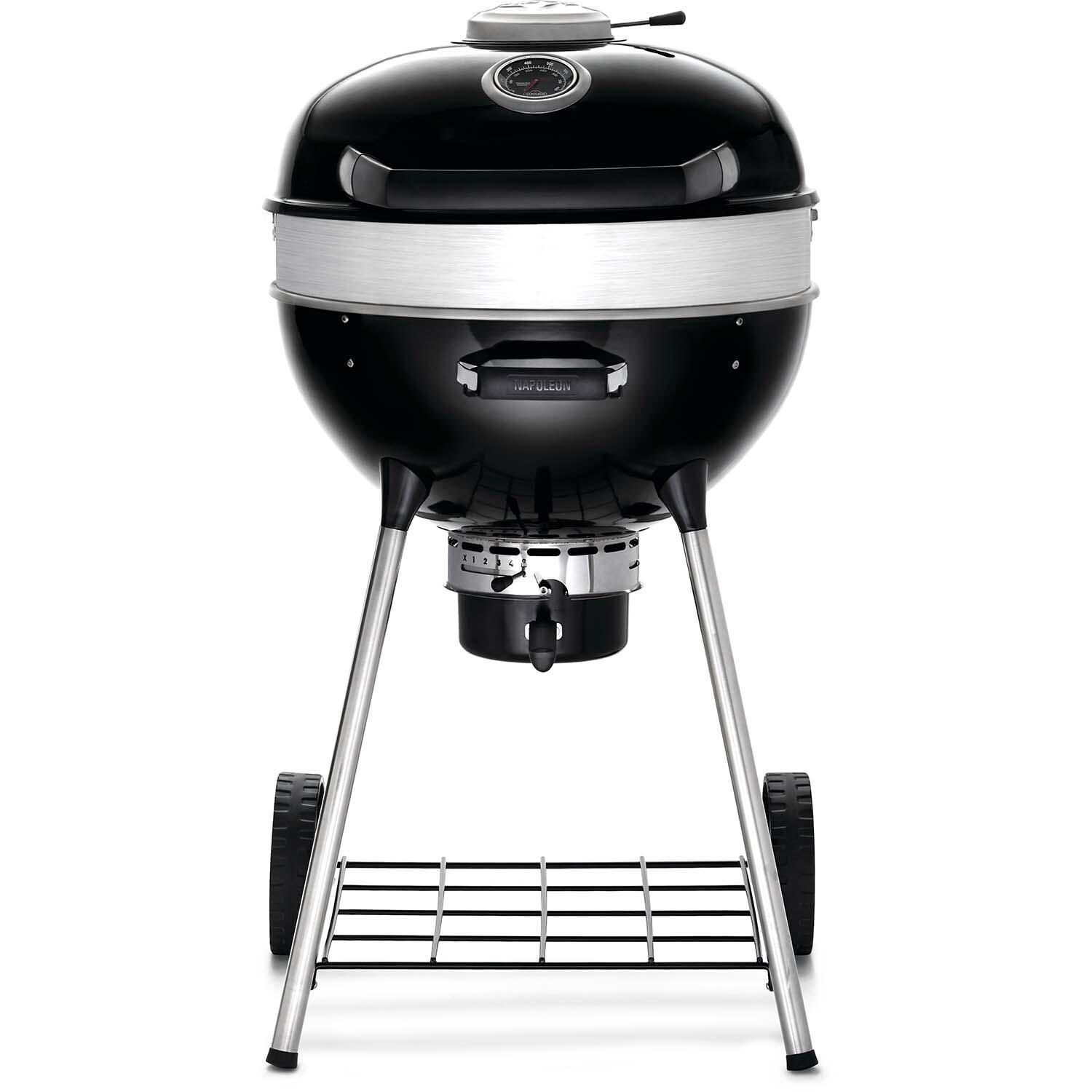
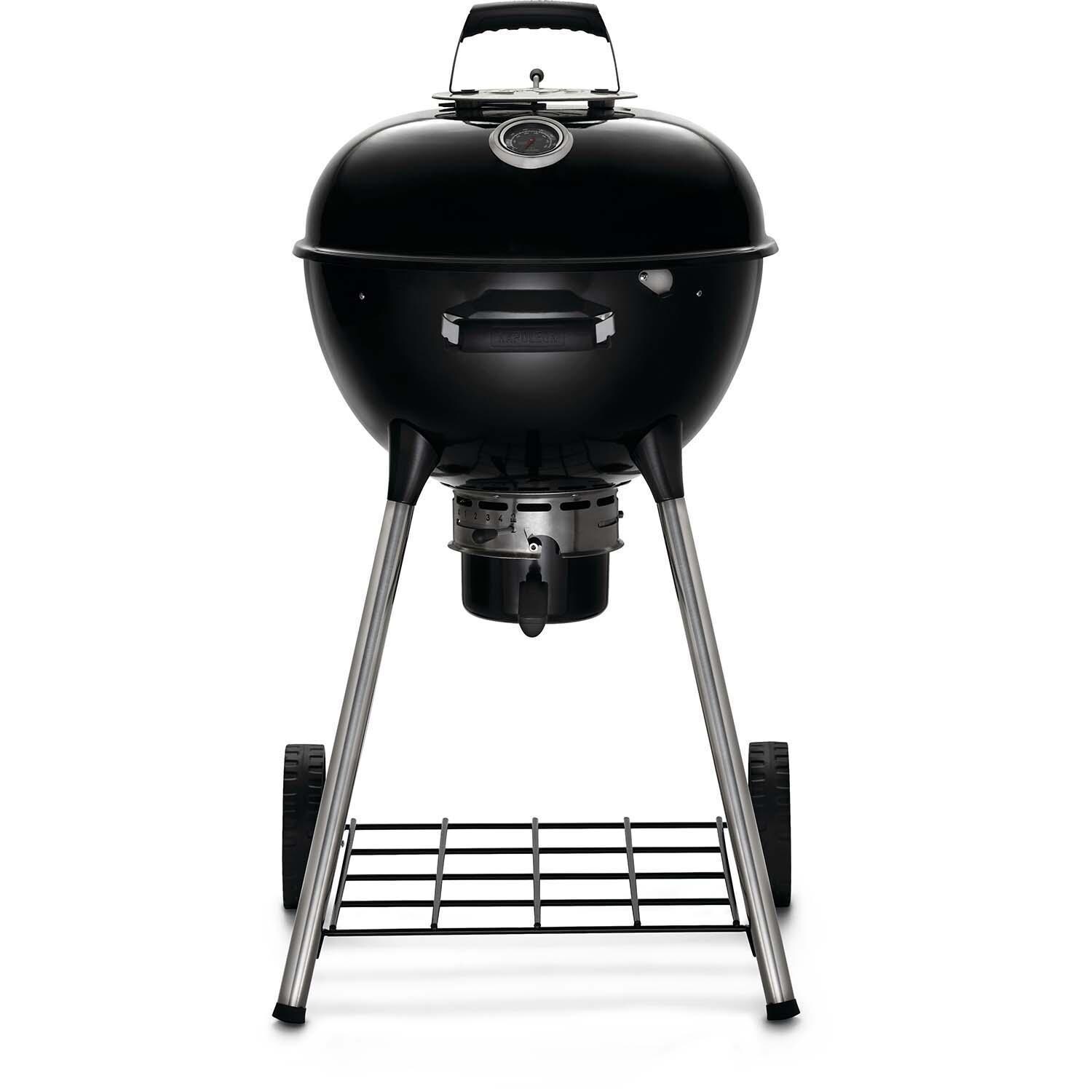
- Napoleon: Their kettle grills use a Vortex heat management system to improve convection for better searing, smoking, and fuel efficiency, and the PRO series adds a charcoal-powered rotisserie burner for restaurant-quality results.
Cleaning Your Charcoal Grill
Ash left in the bottom of a charcoal barbecue will eat away at the steel over time, especially if it gets wet, so look for a model with a removable ash basket or drawer to make cleanup easy. Never dump ash directly in your yard or garden, wet ash takes on the same caustic properties as lye. A charcoal chimney, ash tool, and a quality grill cover round out the essential accessories for keeping any charcoal bbq running well for years.
Is charcoal the best way to grill?
Brilliant BBQ minds agree to disagree, but if there's a consensus, it's that charcoal is a great fuel for grilling. It imparts natural wood flavoring to food, and once you learn how to use it, charcoal grilling is a very rewarding way to cook. We recommend against lighter fluid and instead suggest charcoal lighters and starters that won't leave unwanted chemical notes in your food.
How much does a charcoal BBQ grill cost?
You can find a solid charcoal grill for well under $50, or invest several thousand dollars in a full-featured, built-in stainless steel model loaded with luxury features. There's a good option for nearly any budget, it comes down to which features and materials matter most to you.
Can you use a charcoal grill in an outdoor kitchen?
Absolutely. Built-in charcoal grills install directly into a BBQ island cutout just like a gas grill, and brands like Blaze and Coyote build them from the same commercial-grade stainless steel as the rest of your outdoor kitchen, so the finish matches from one appliance to the next. If you'd rather keep things flexible, a freestanding model also fits into most outdoor kitchen layouts without a permanent installation.
What type of charcoal is best for grilling?
It comes down to lump charcoal or briquettes, and both have their fans. Our full charcoal grill FAQ covers the differences in more depth, along with tips on lighting, storage, and cleanup.
Is it worth buying a charcoal grill?
Absolutely. Charcoal delivers a natural flavor that gas and wood pellets often can't match, gets plenty hot for nearly anything you want to cook, and handles low-and-slow smoking with ease. It takes a little more attention than other fuel types, but most charcoal grillers agree it's worth the extra effort.
Is it cheaper to use a propane or charcoal grill?
Cost per use varies based on grill size and cooking temperature. A 20lb propane tank typically costs $12 to $20 to refill, while a 20lb bag of lump charcoal runs $15 to $35 depending on quality and brand.
Talk to a BBQGuys Expert About Charcoal Grills
Read our charcoal grill buying guide for a deeper dive into configurations, sizes, and classes, or see how charcoal compares to kamado grills if you're still deciding between the two. You can also browse our charcoal grill expert reviews to see how specific models perform in real testing, or check out our Grillabilities articles to sharpen your actual grilling technique once your new charcoal bbq grill arrives. Call one of our experts at 1-877-743-2269, available daily to help you find the right charcoal bbq grill for your backyard.

