
)
)
)
)
)
)
)
)
)
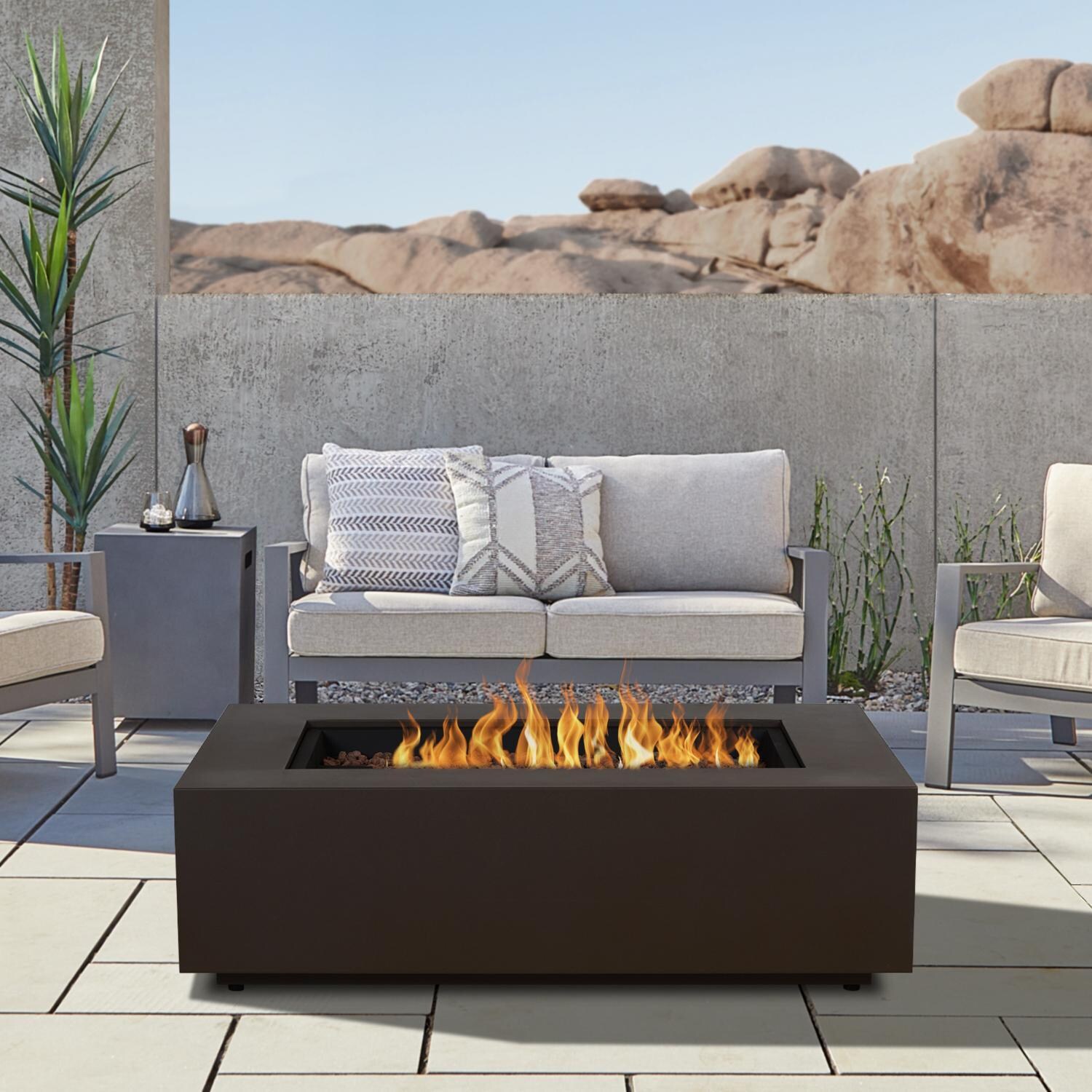)
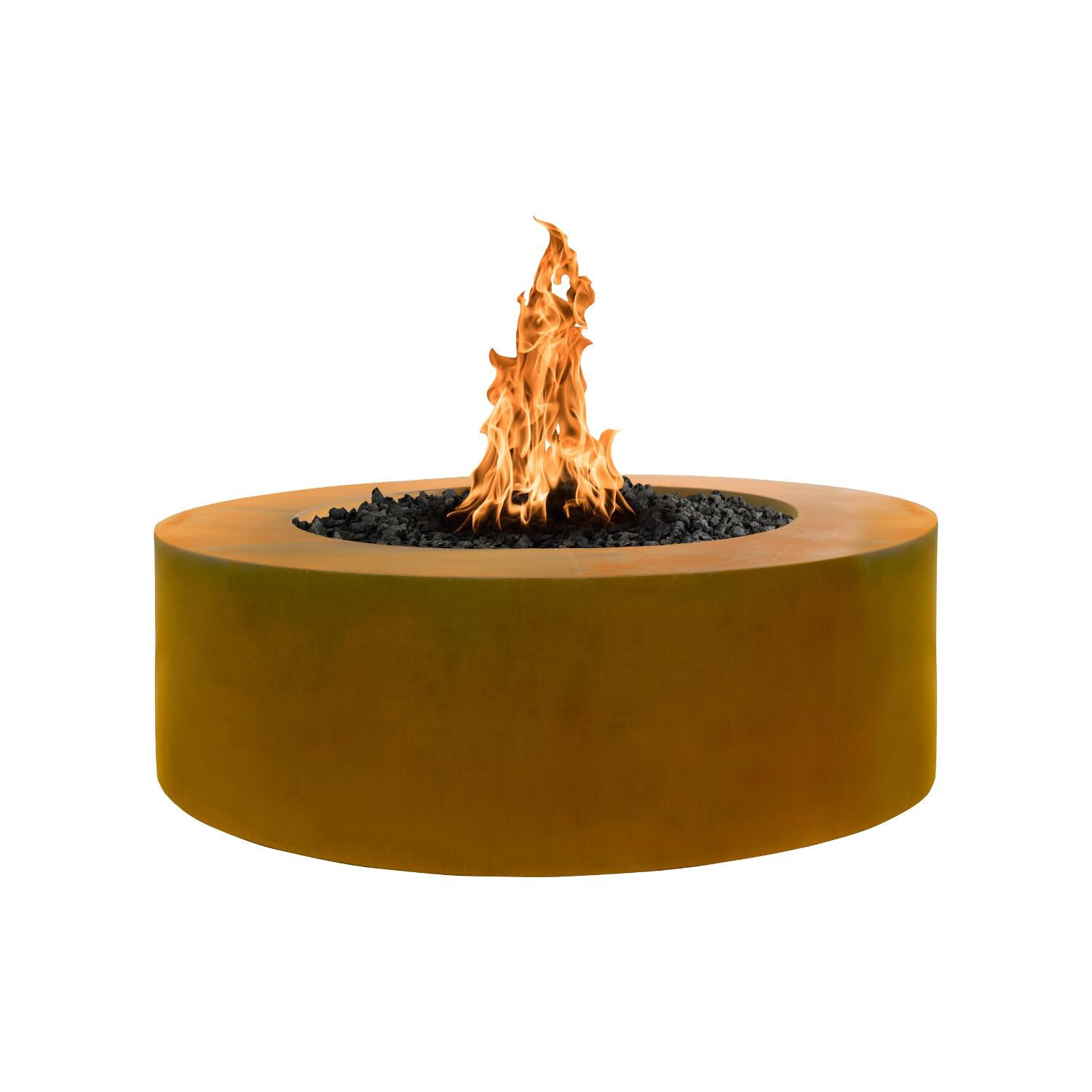)
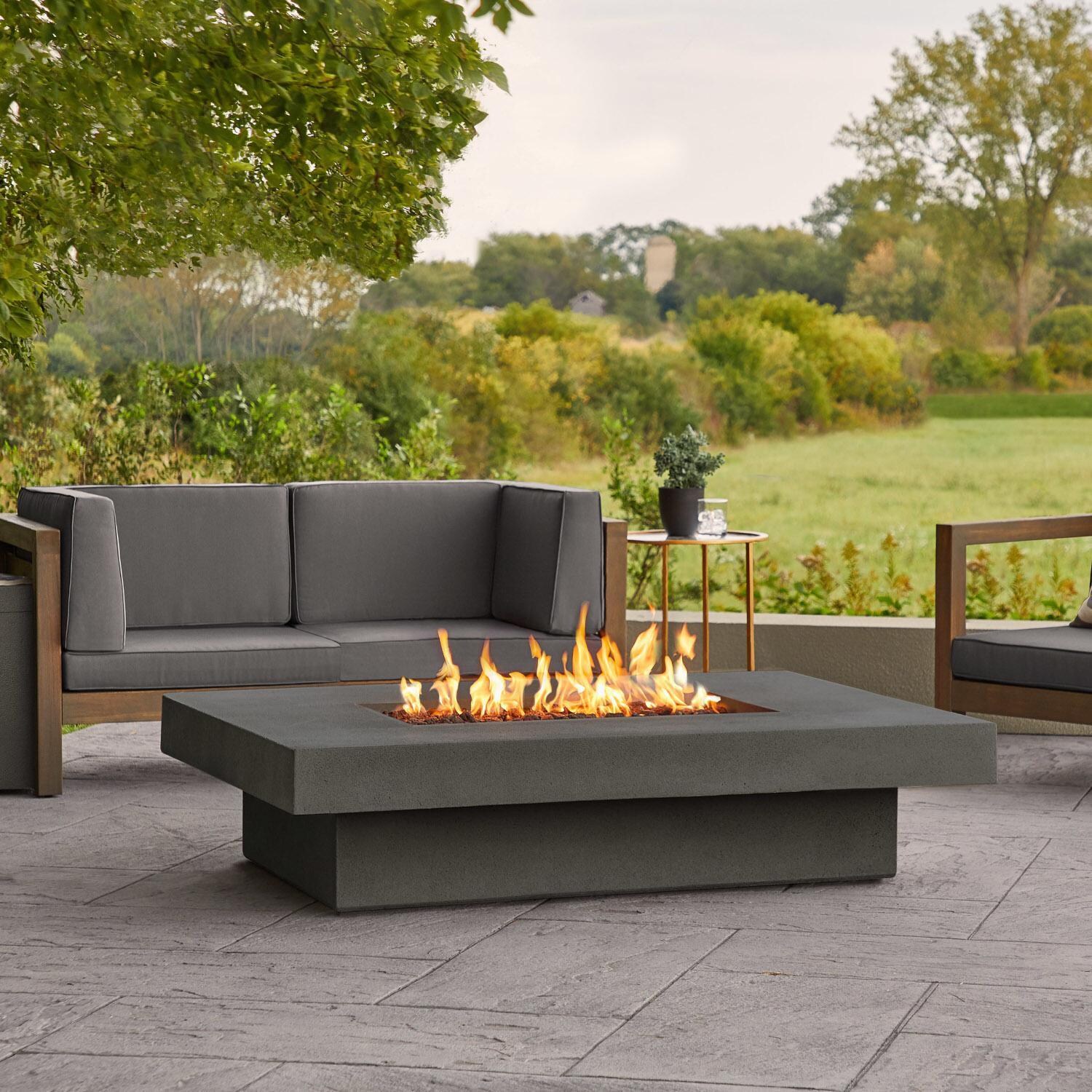)
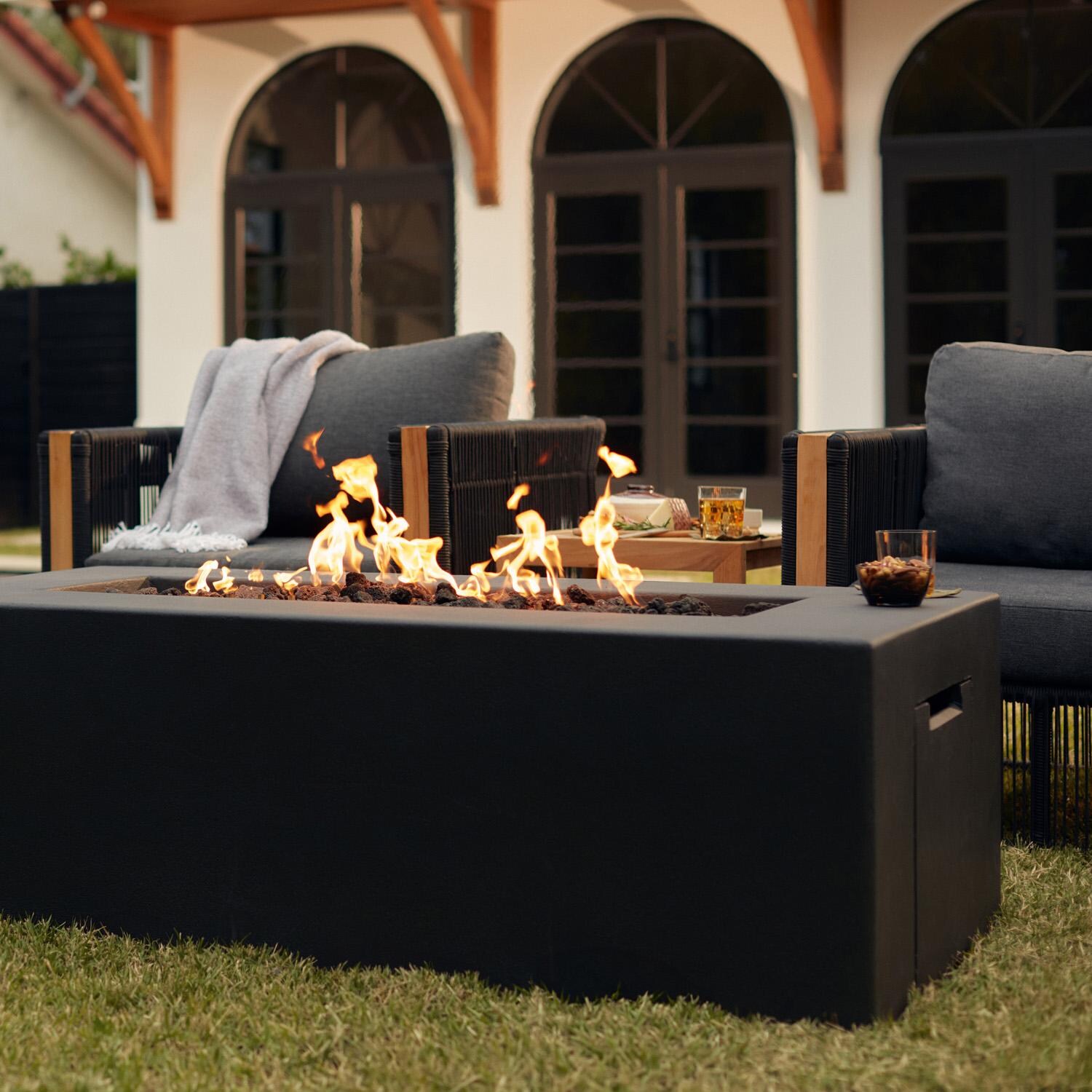)
)
)
)
)
)
)
)
)
)
)
)
)
)
)
)
)
)
)
)
)
)
)
)
)
)
)
)
)
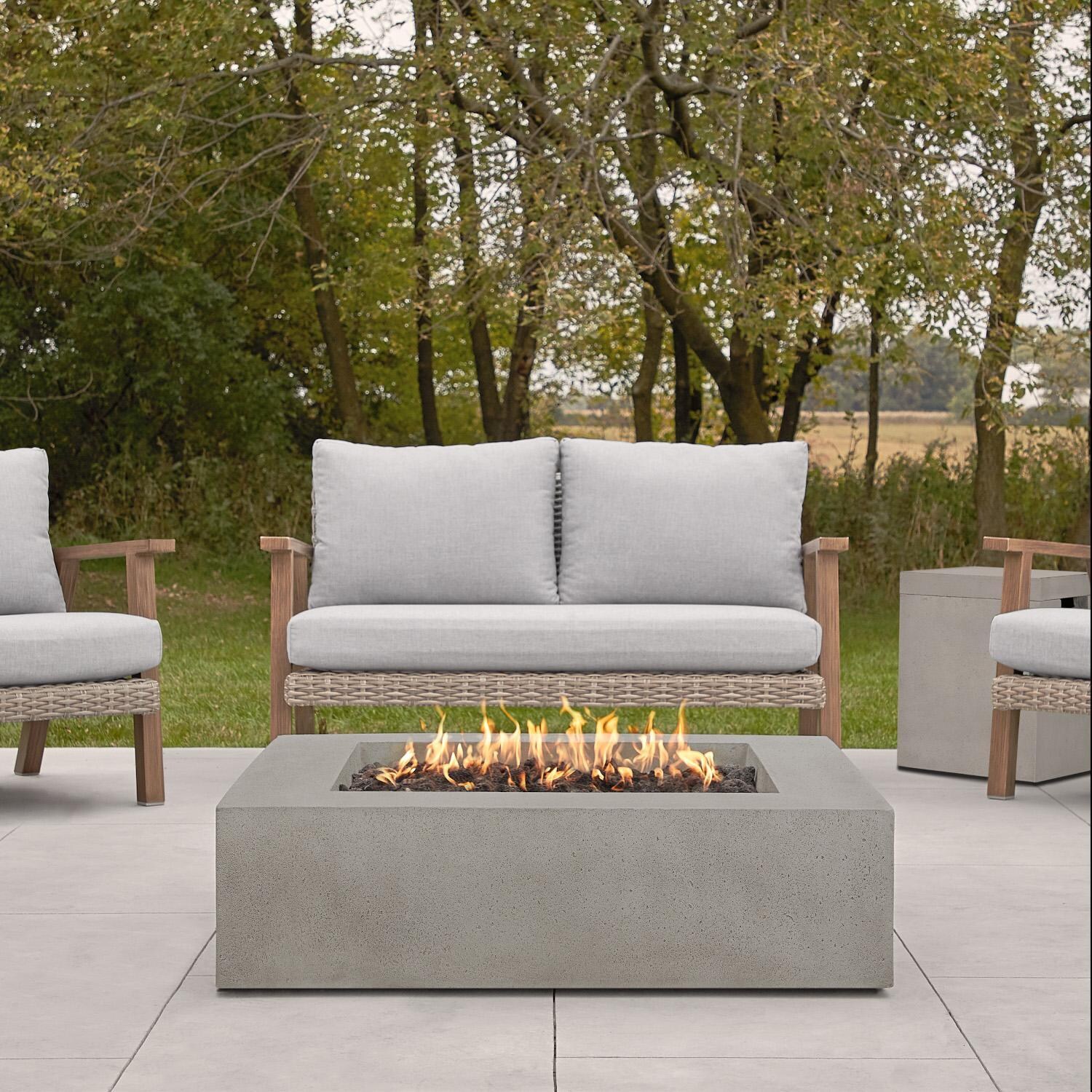
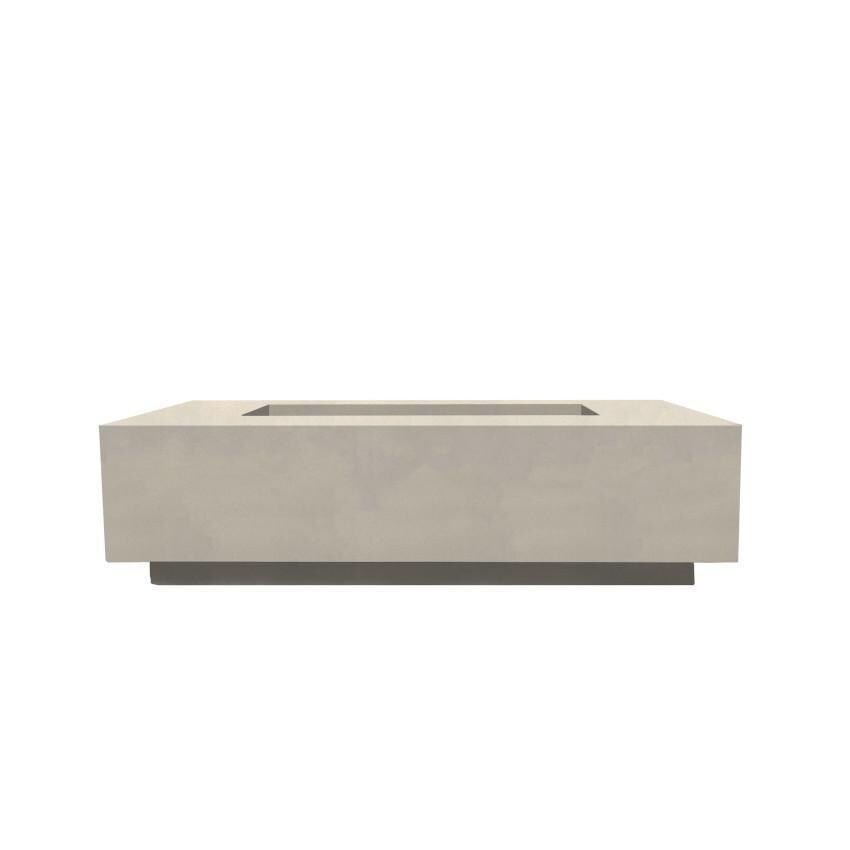
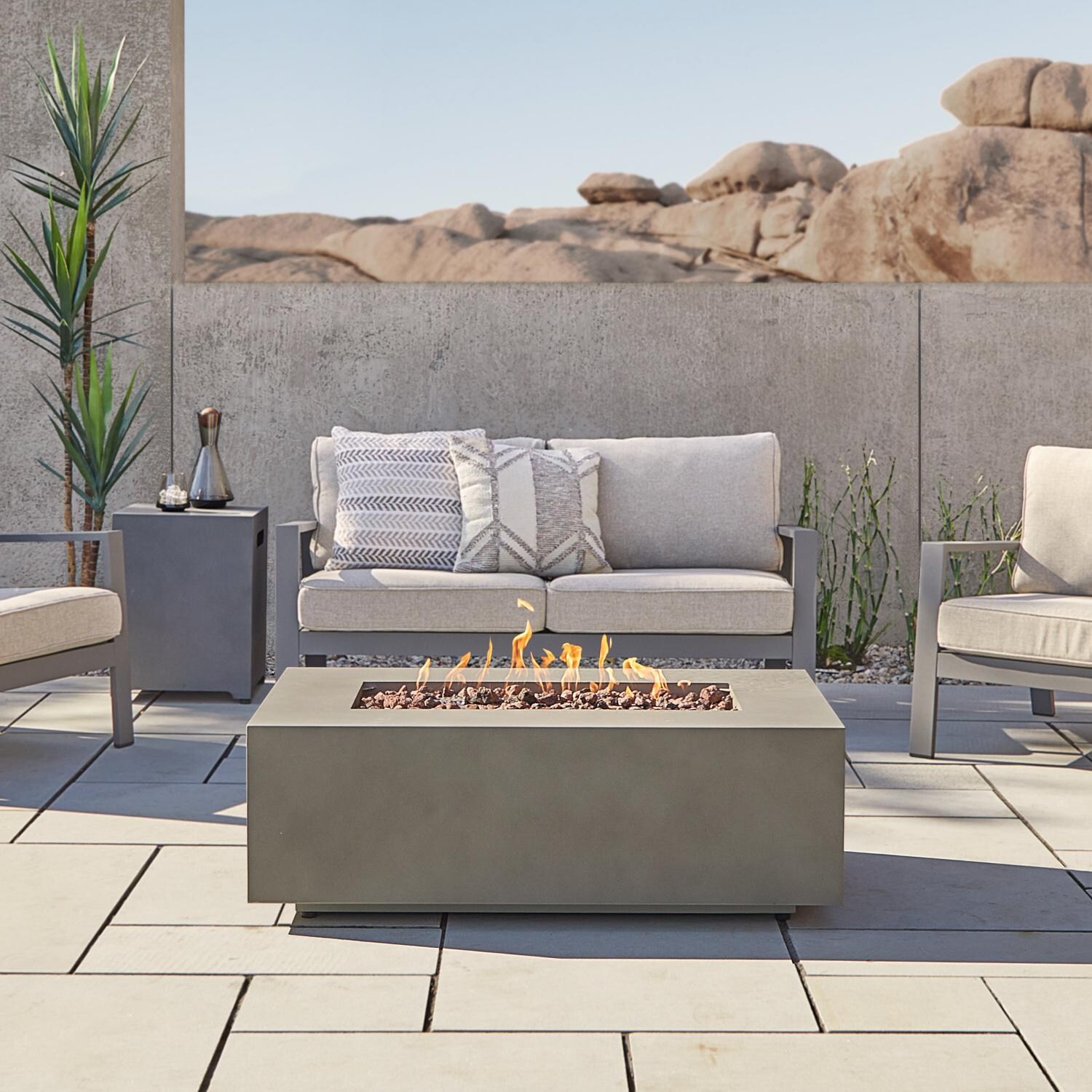
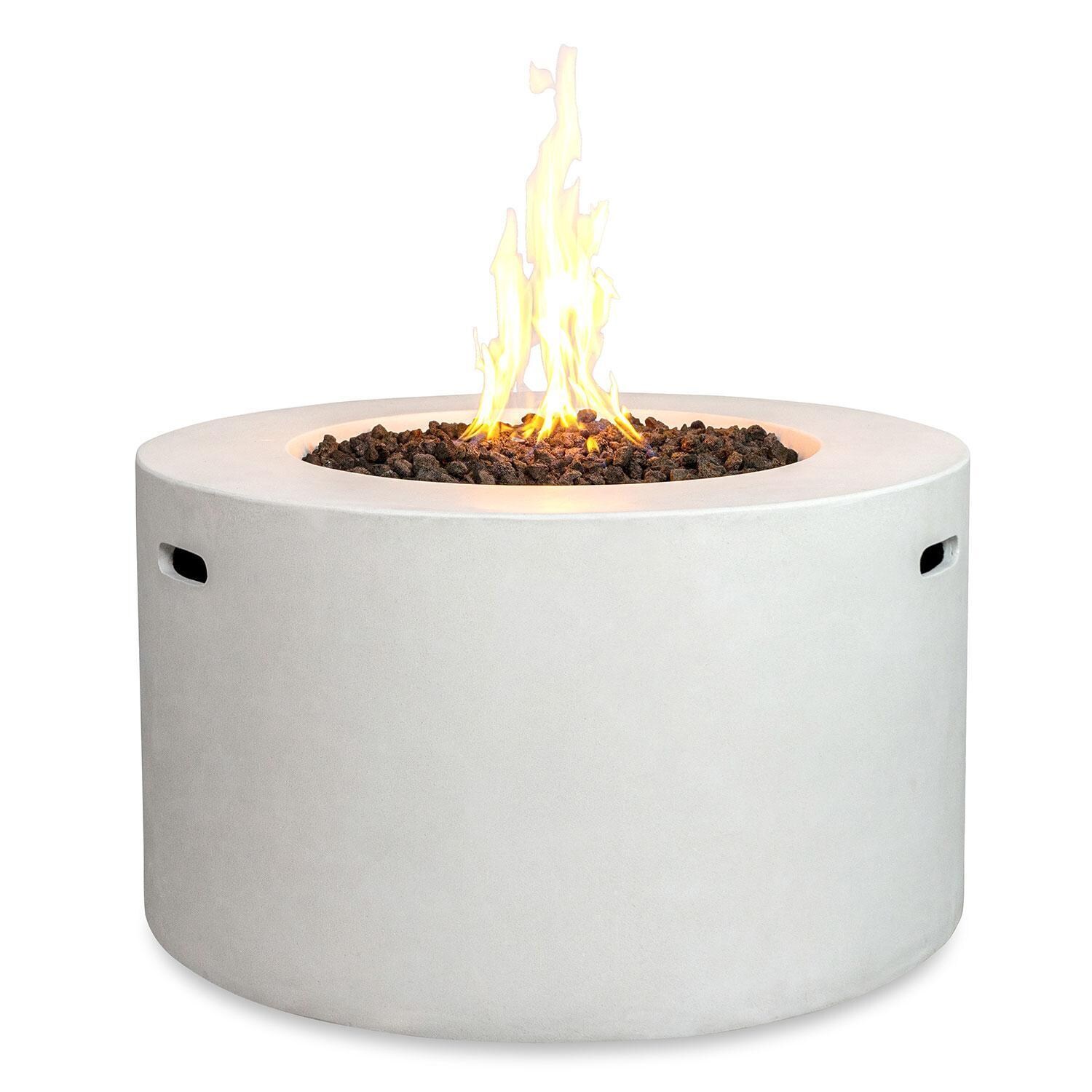
Propane Fire Pits & Propane Fire Pit Tables for Every Backyard
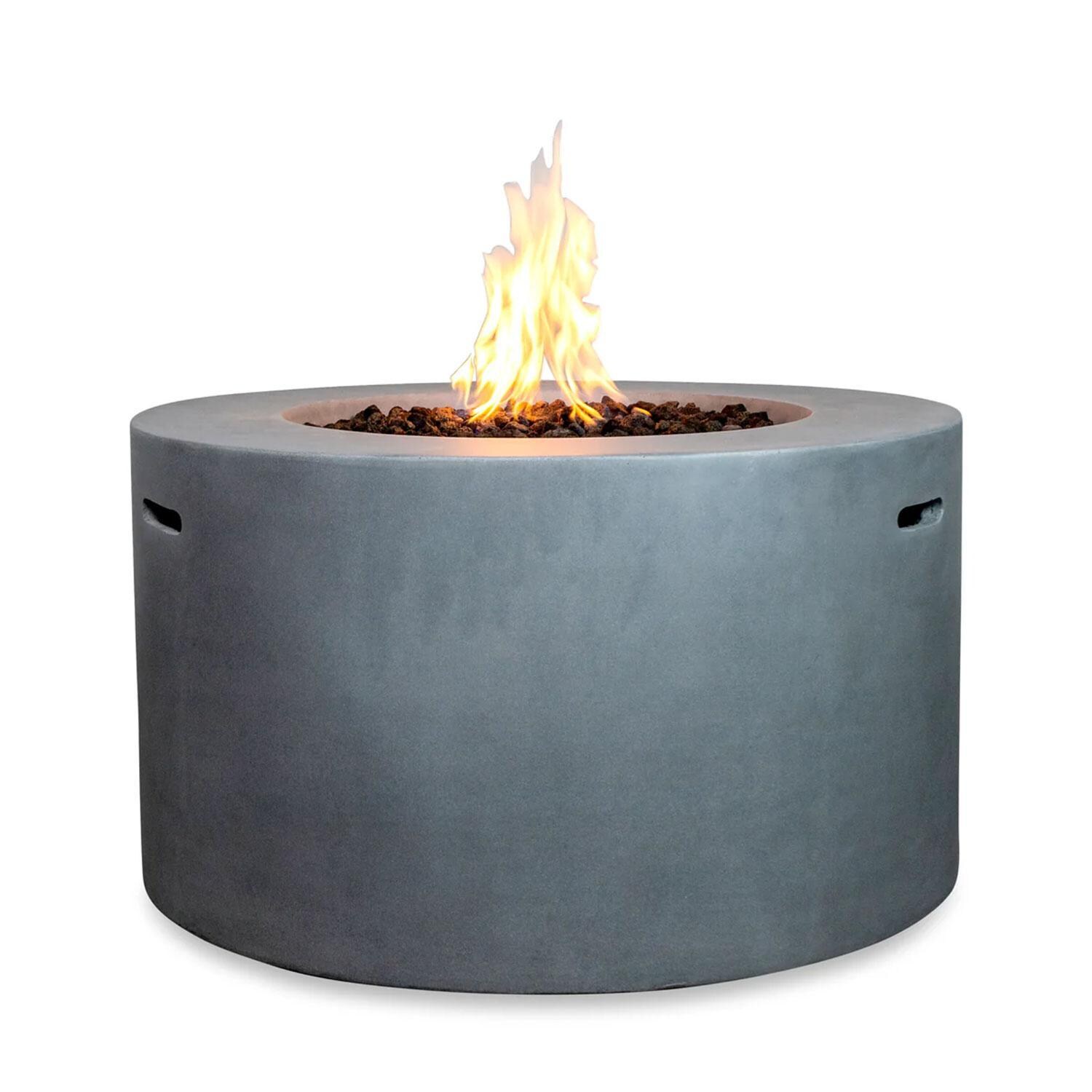
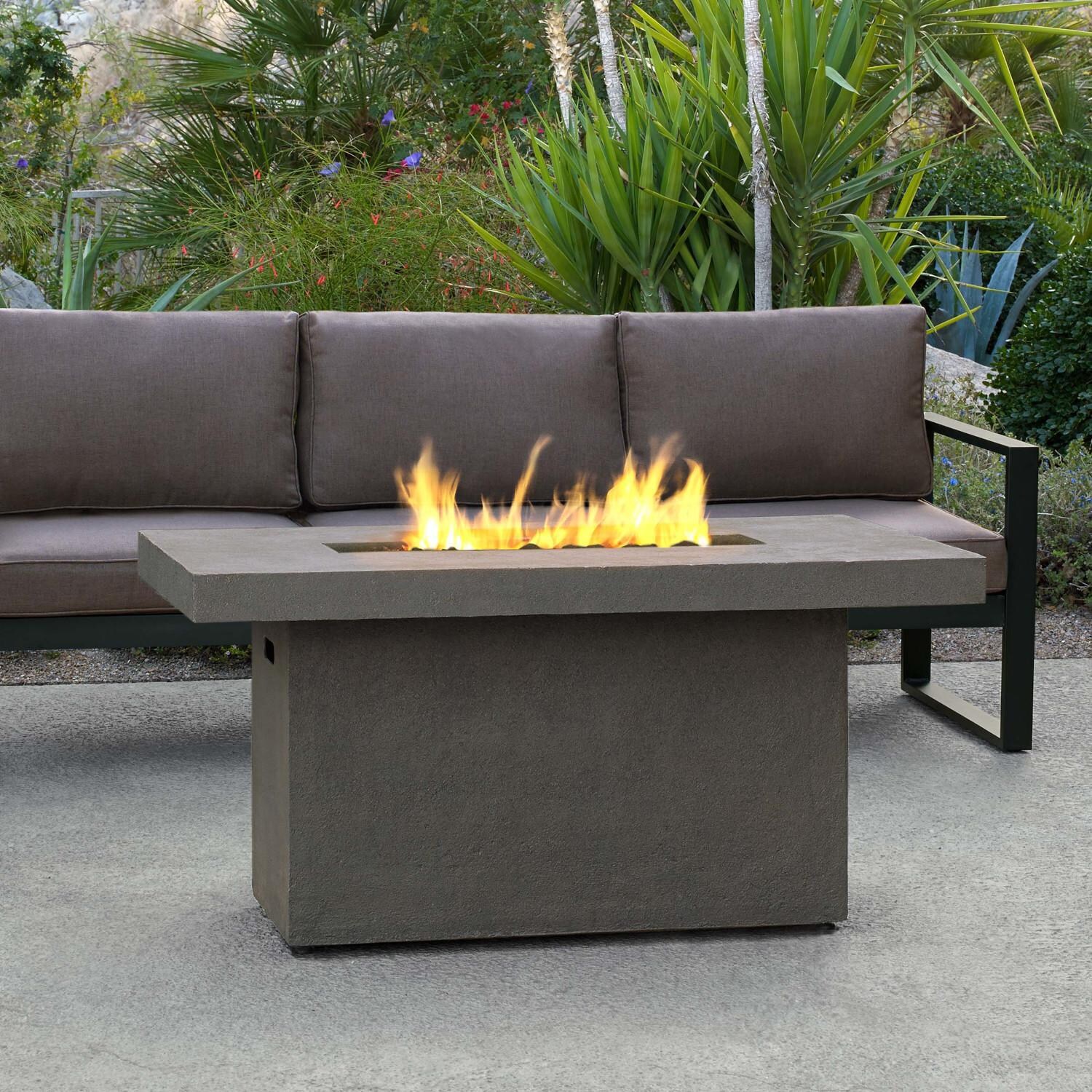
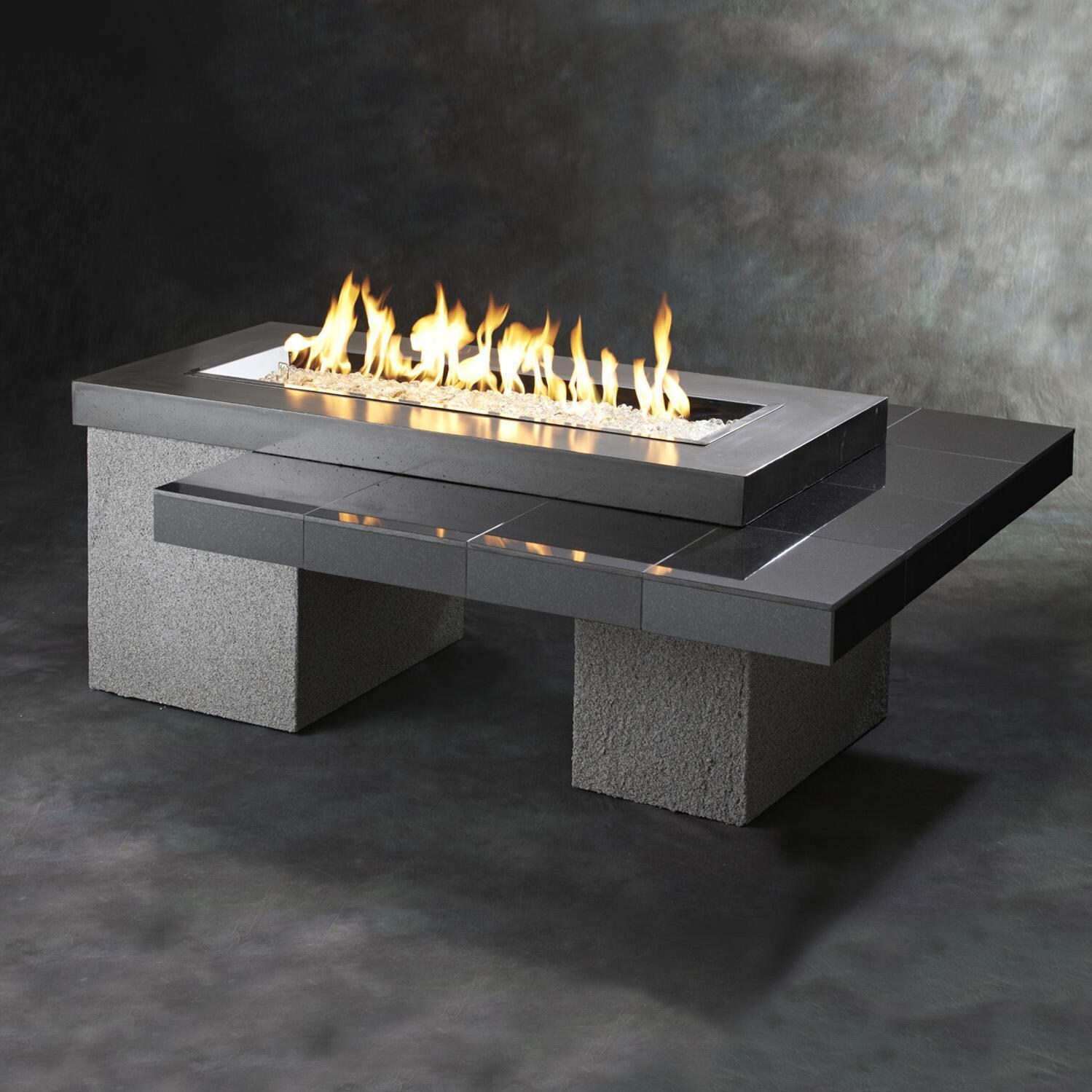
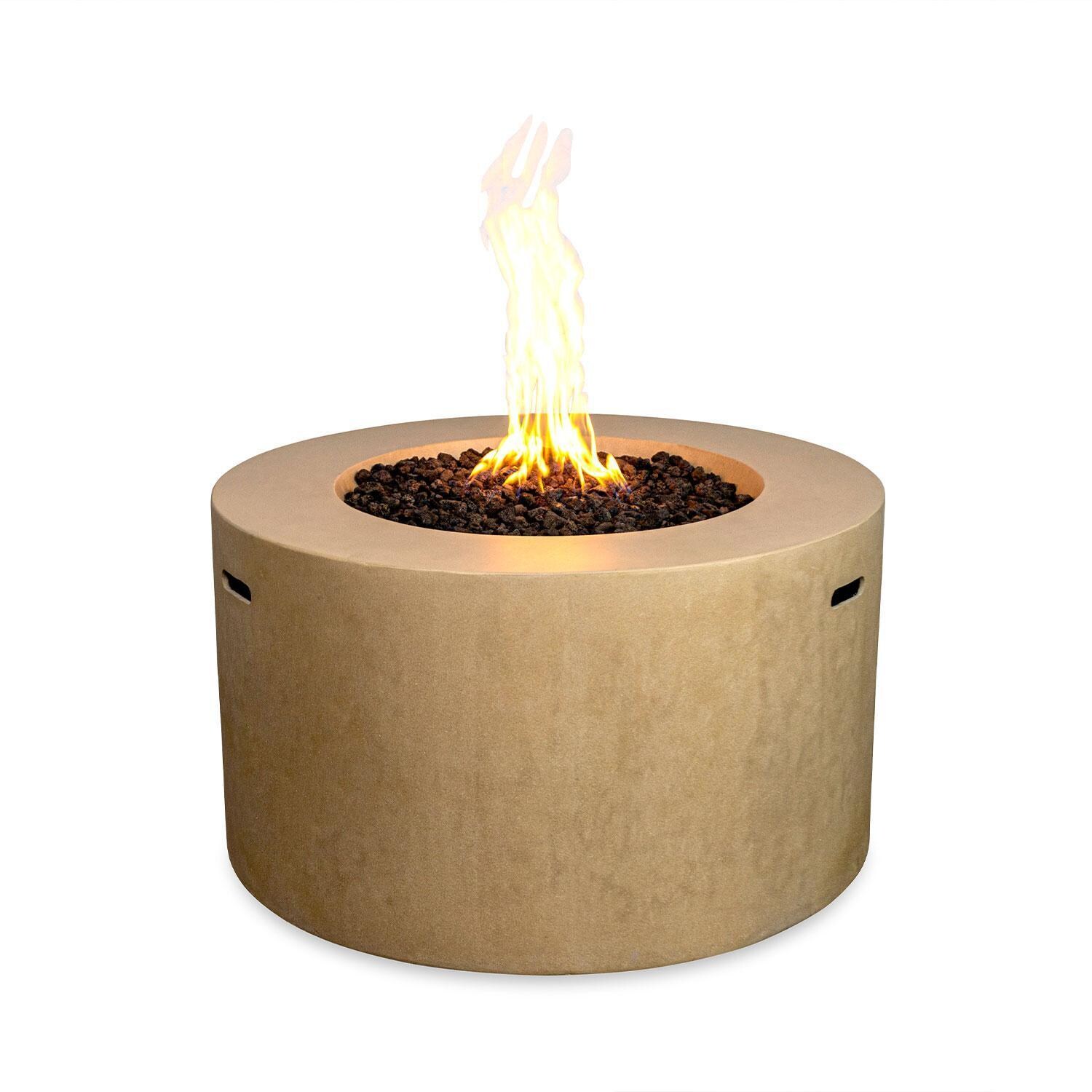
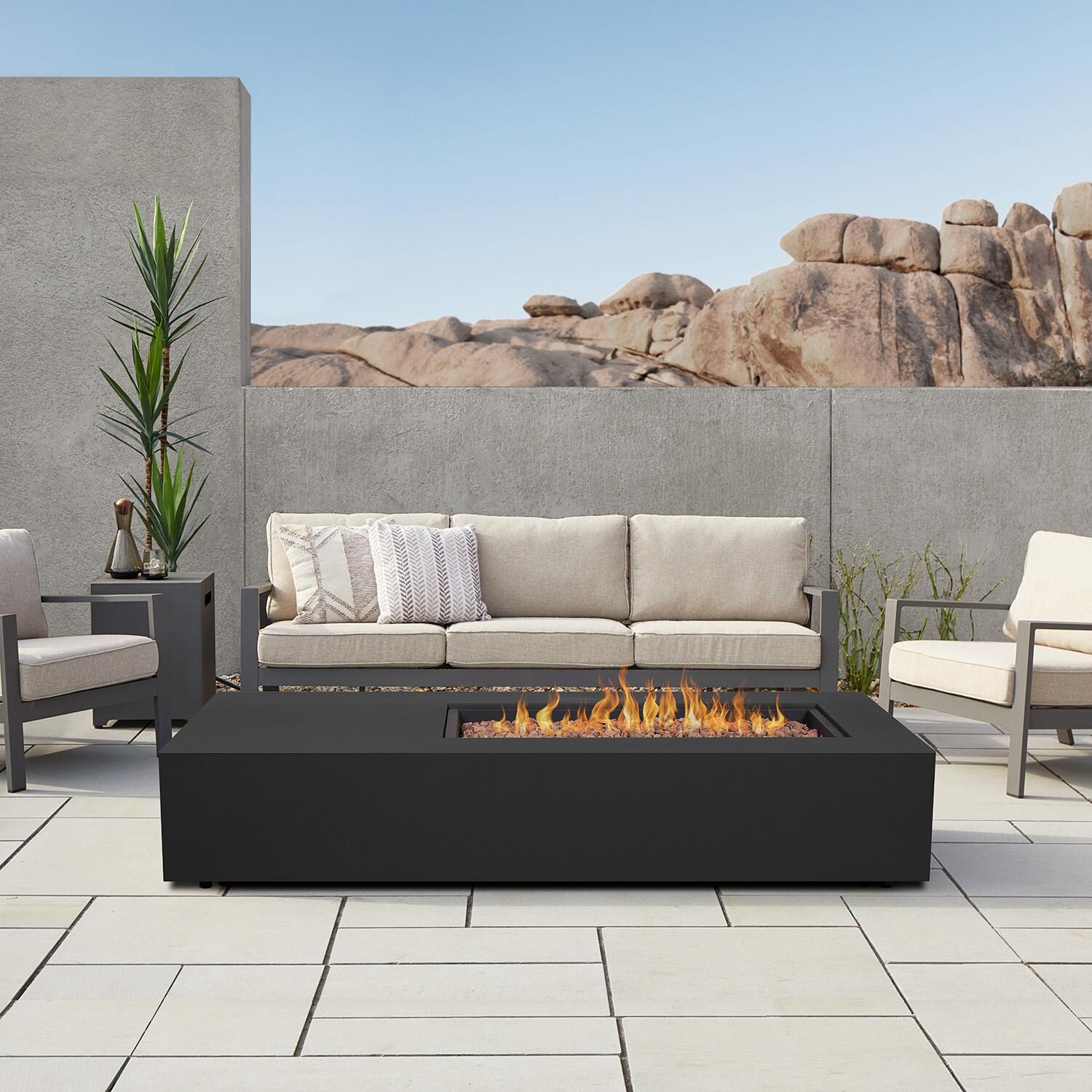
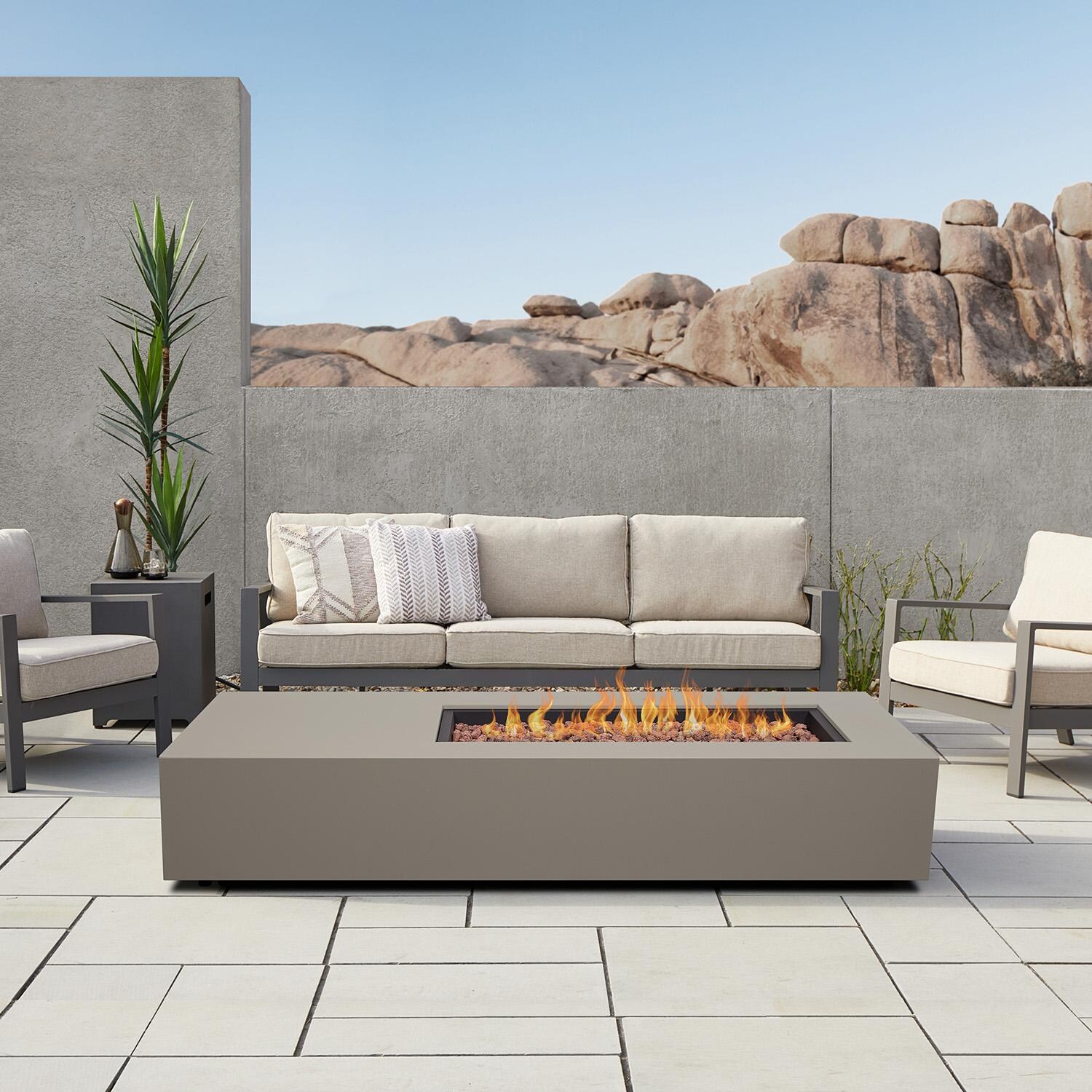
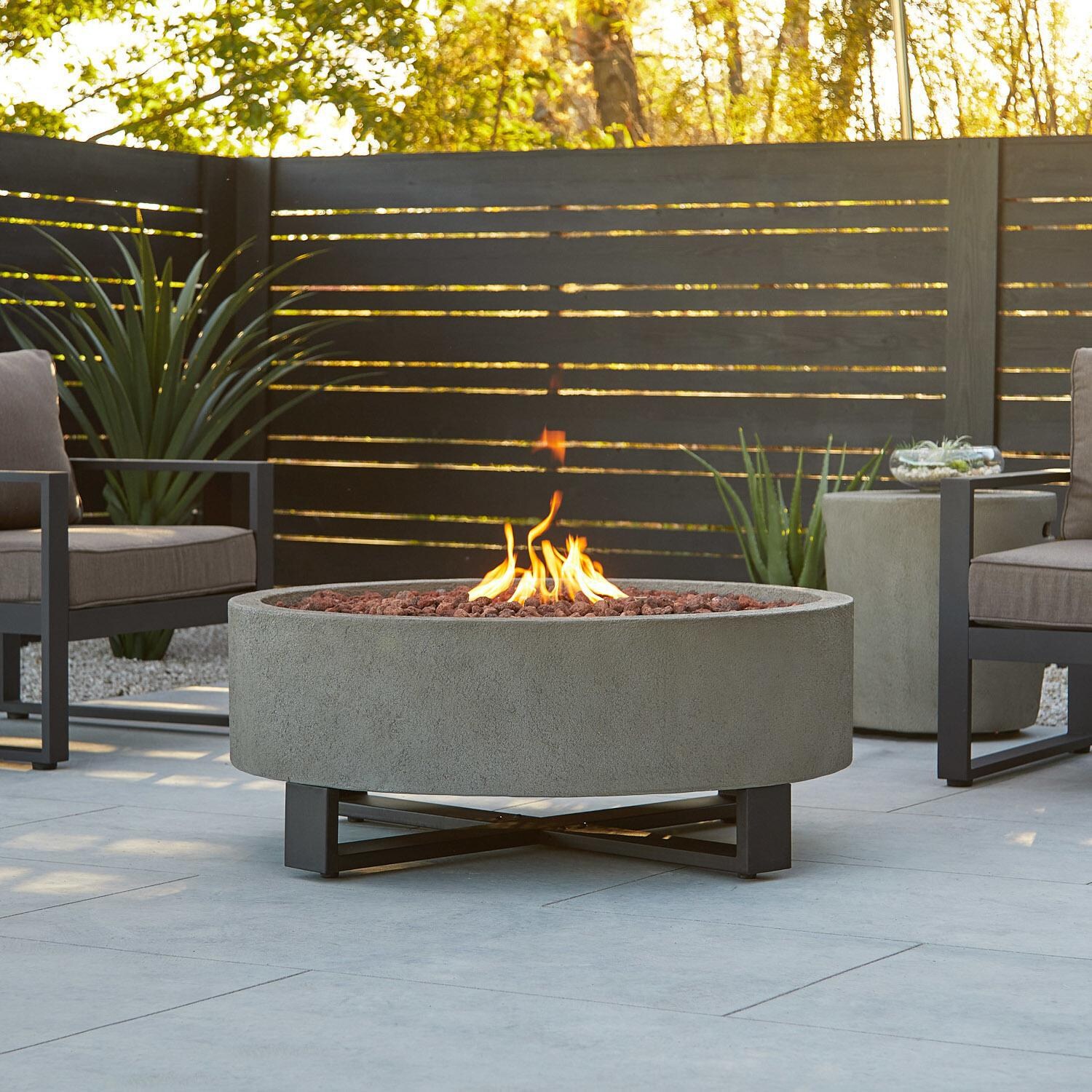
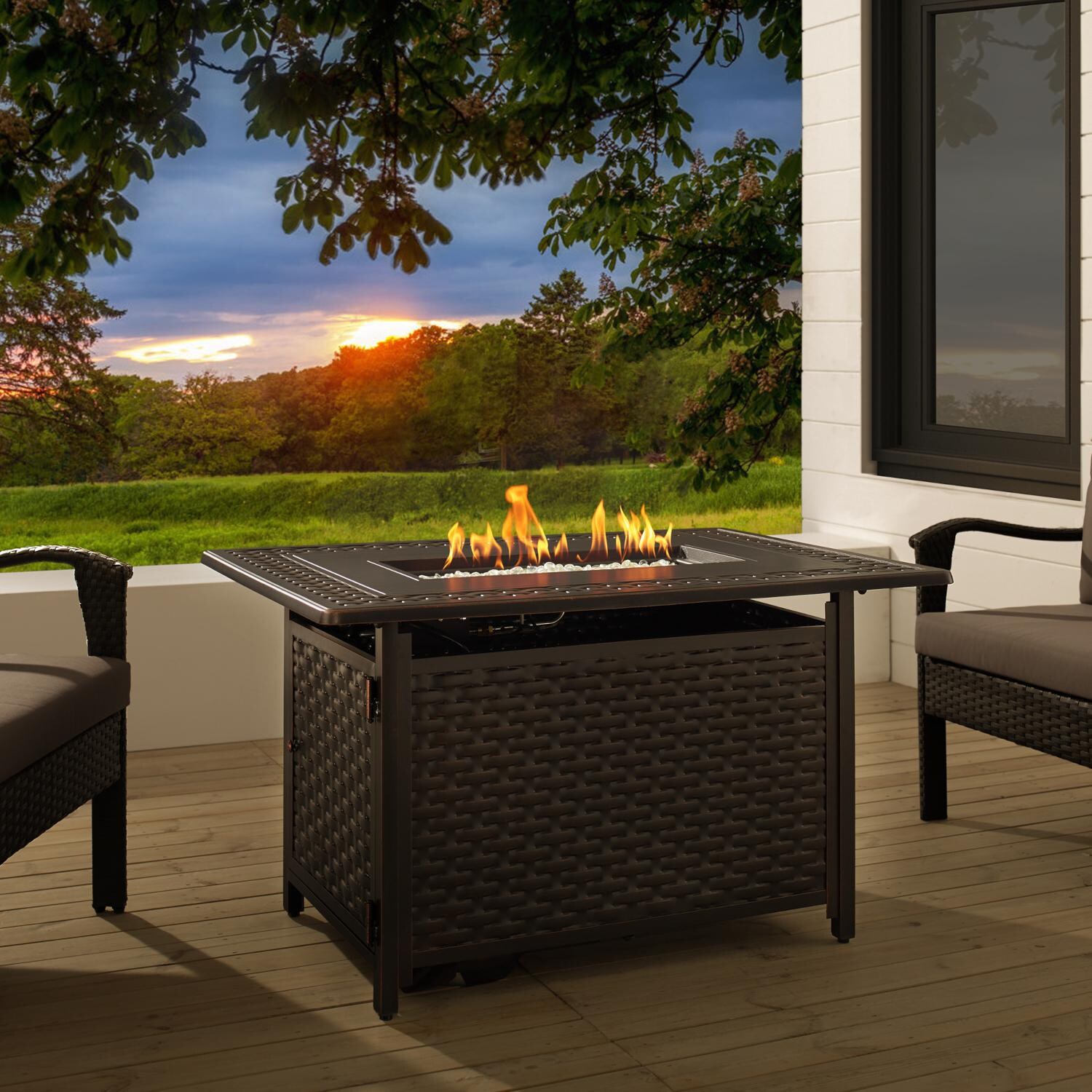
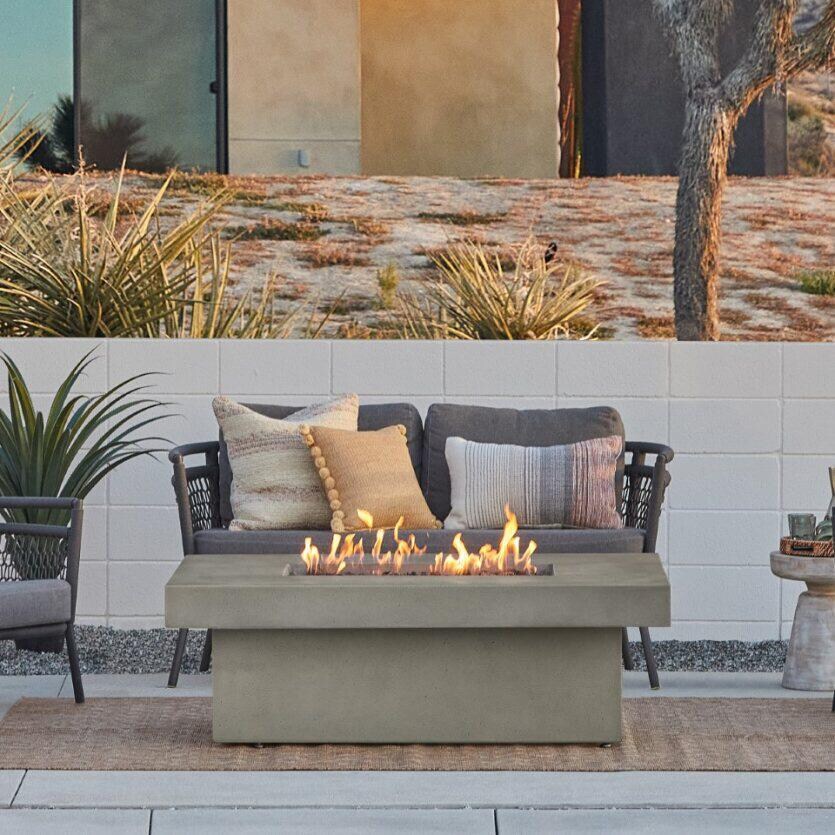
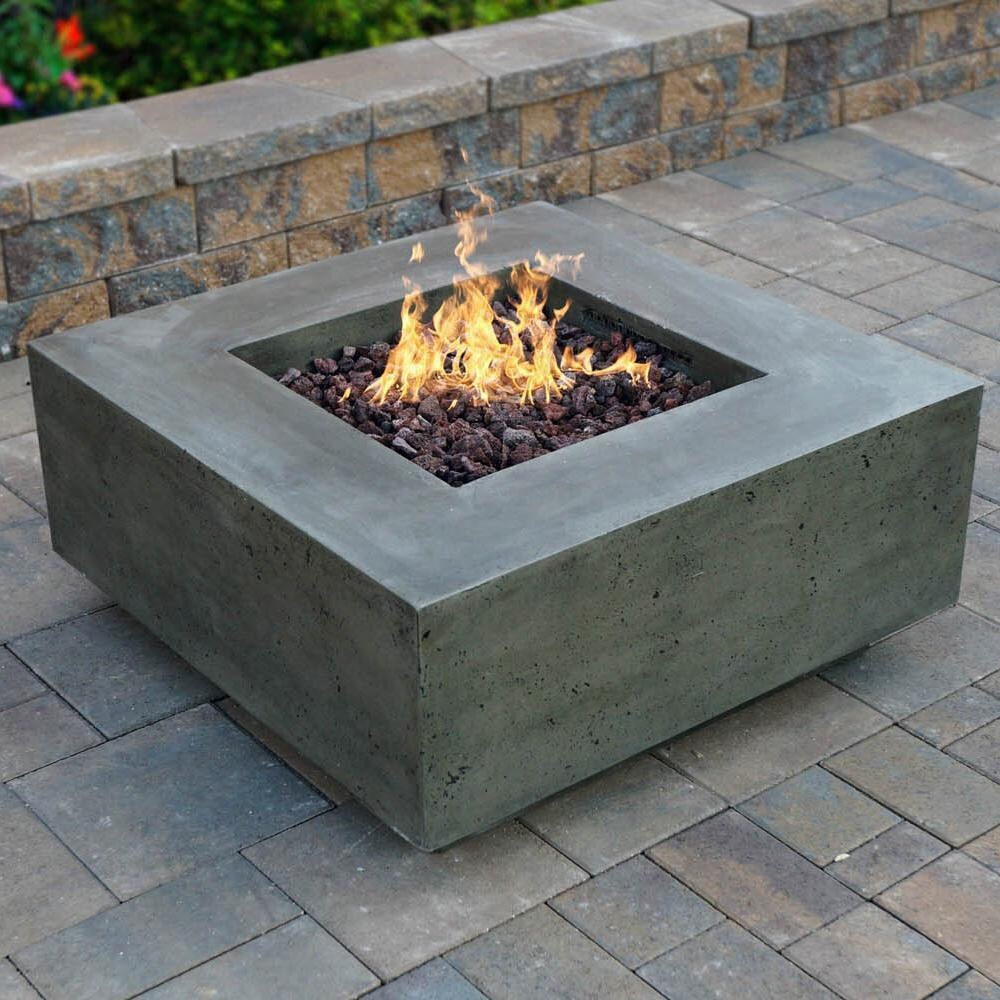
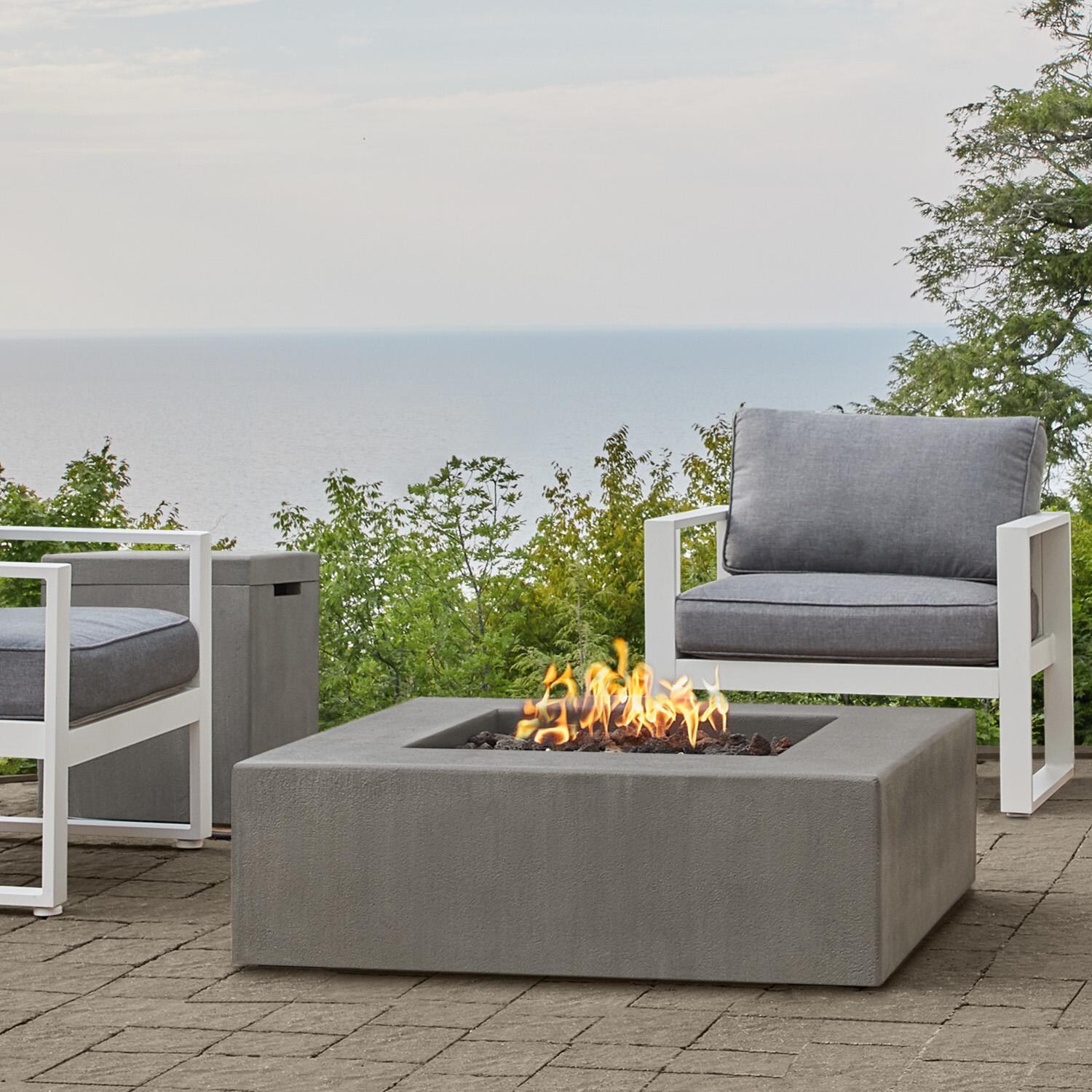
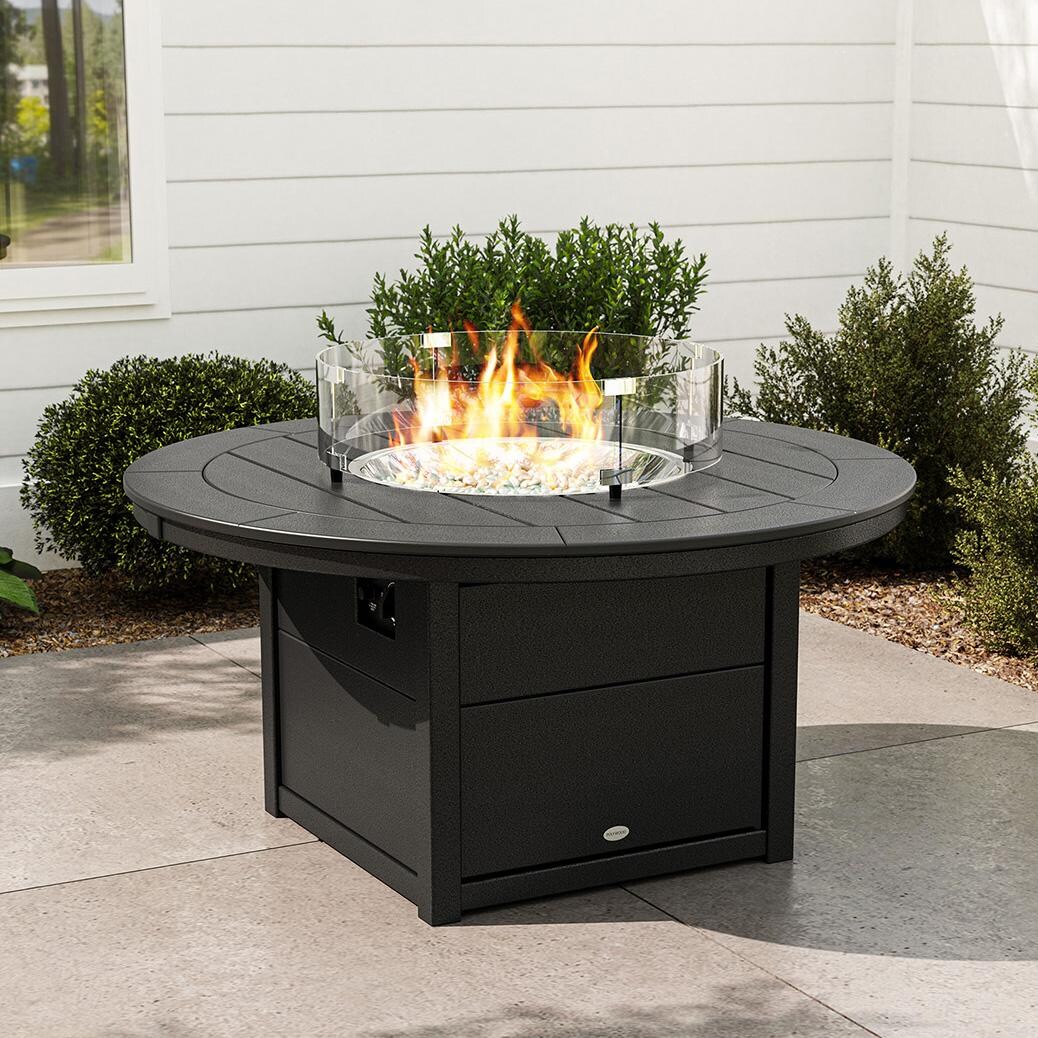
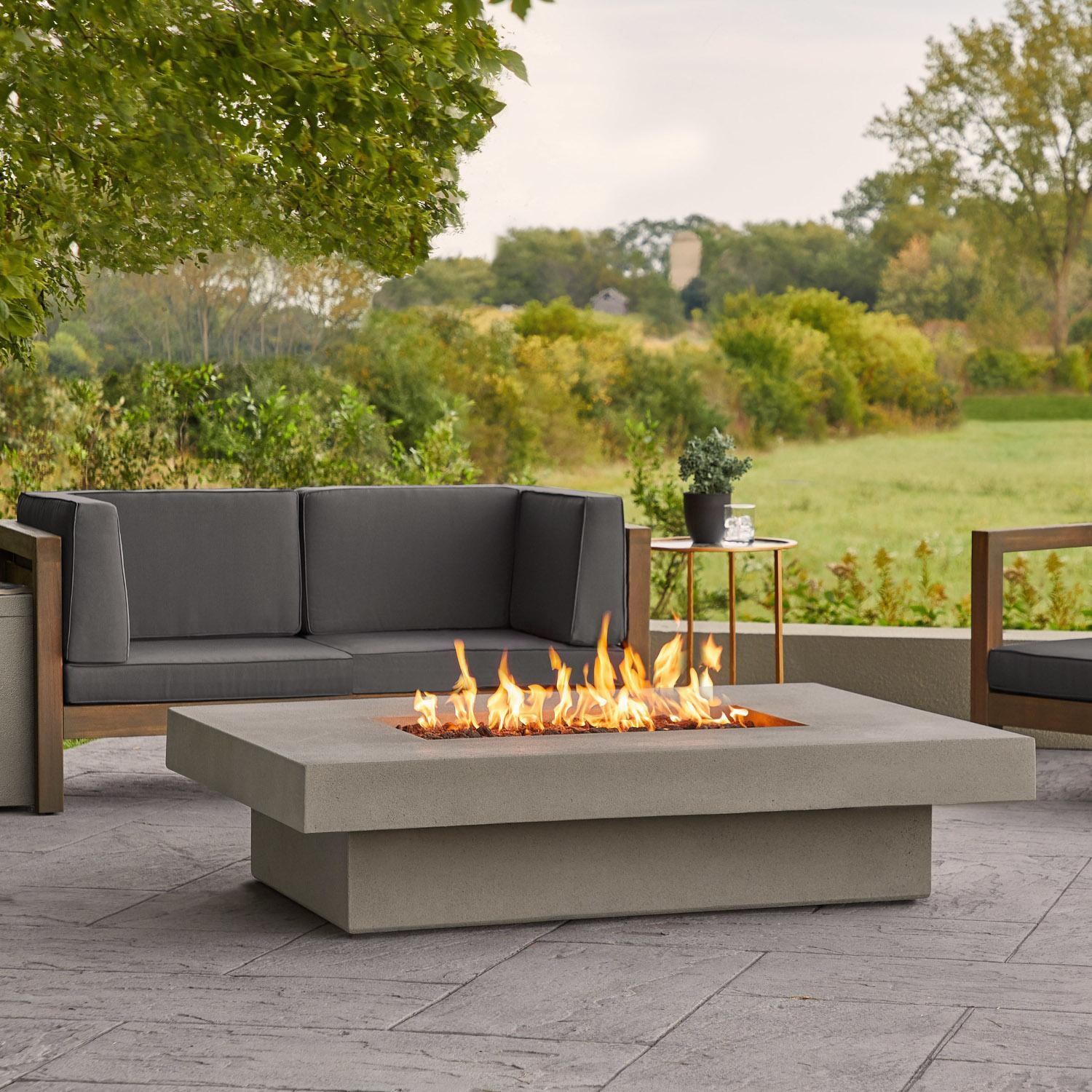
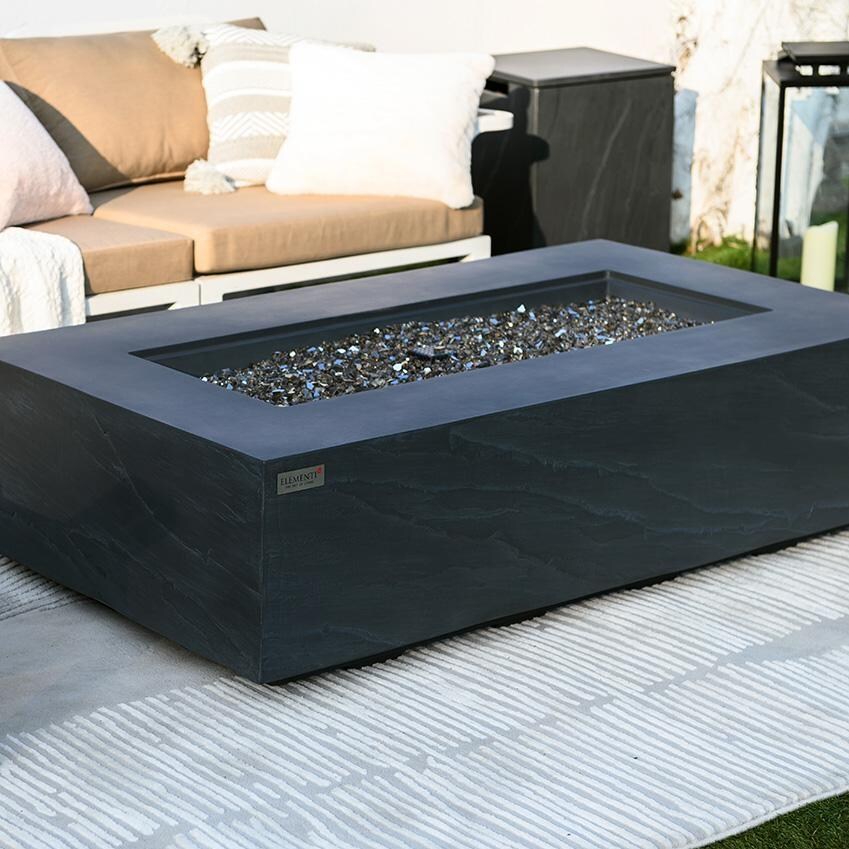
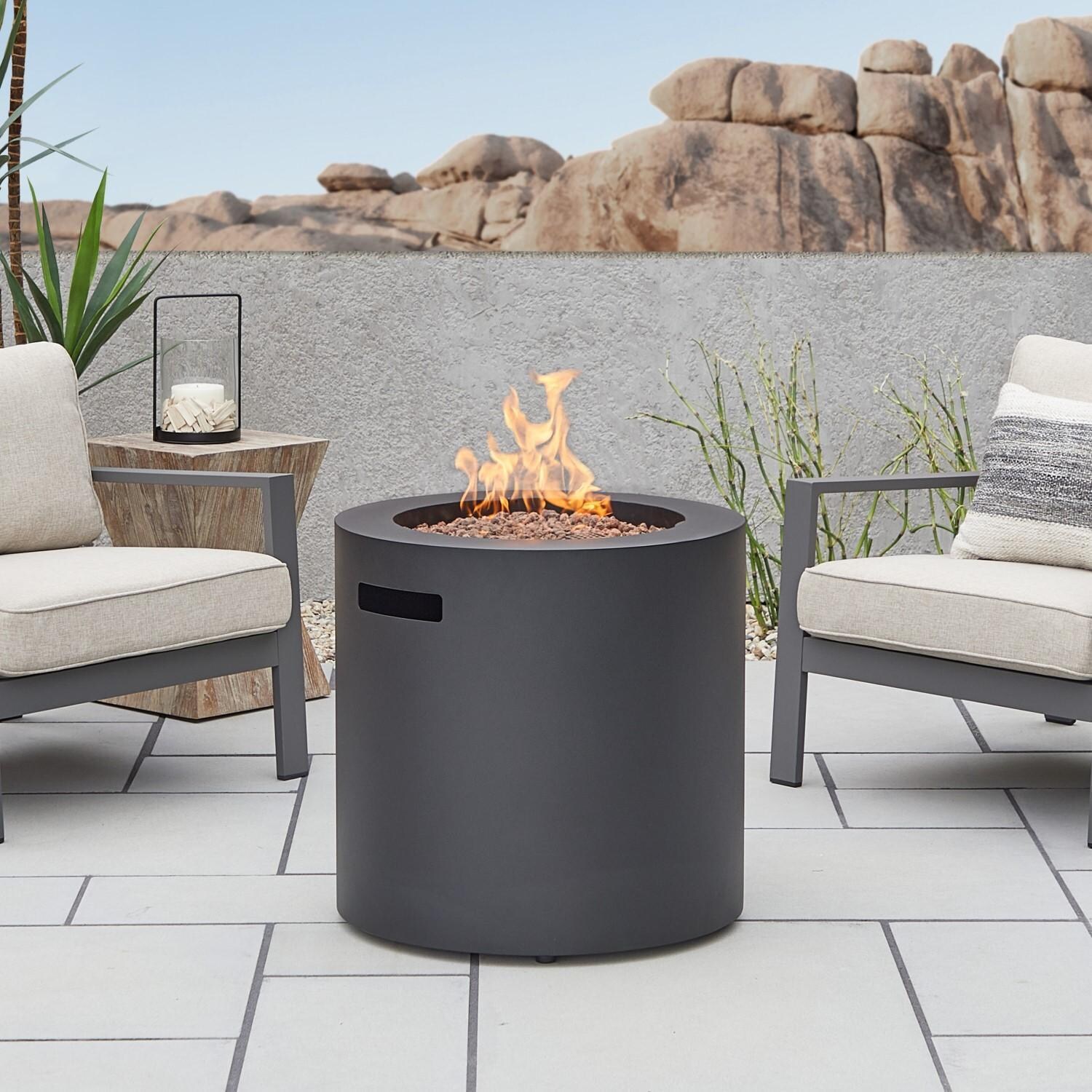
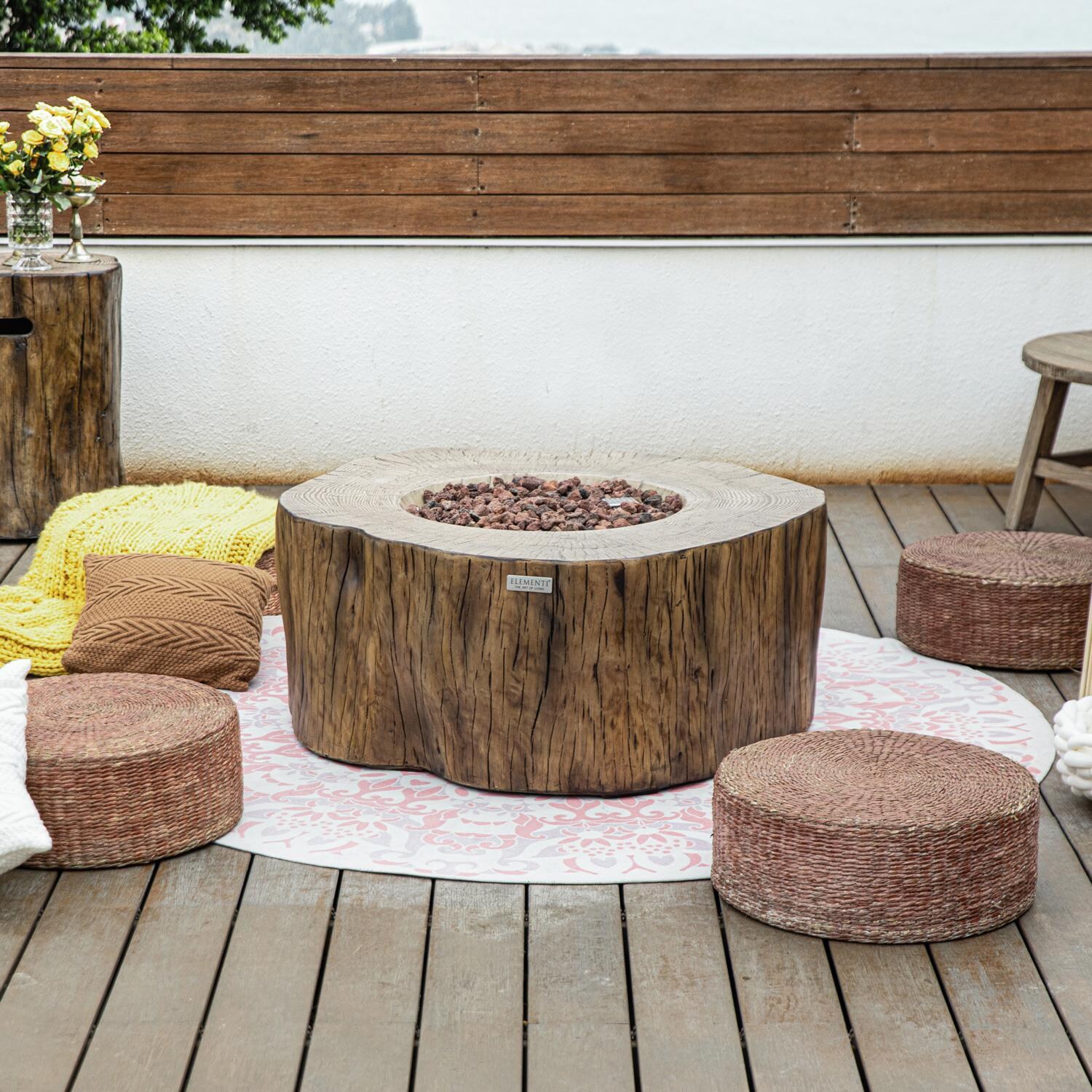
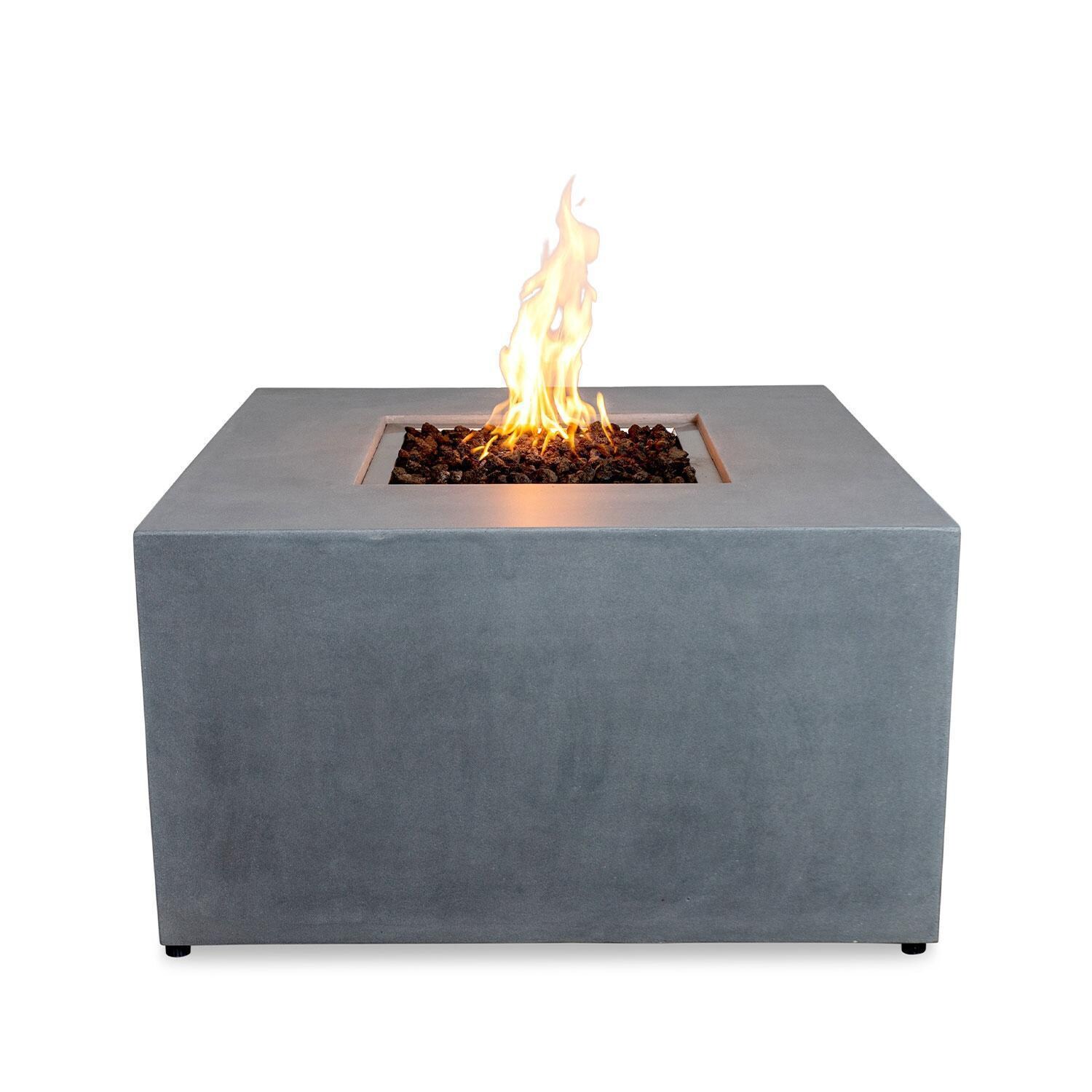
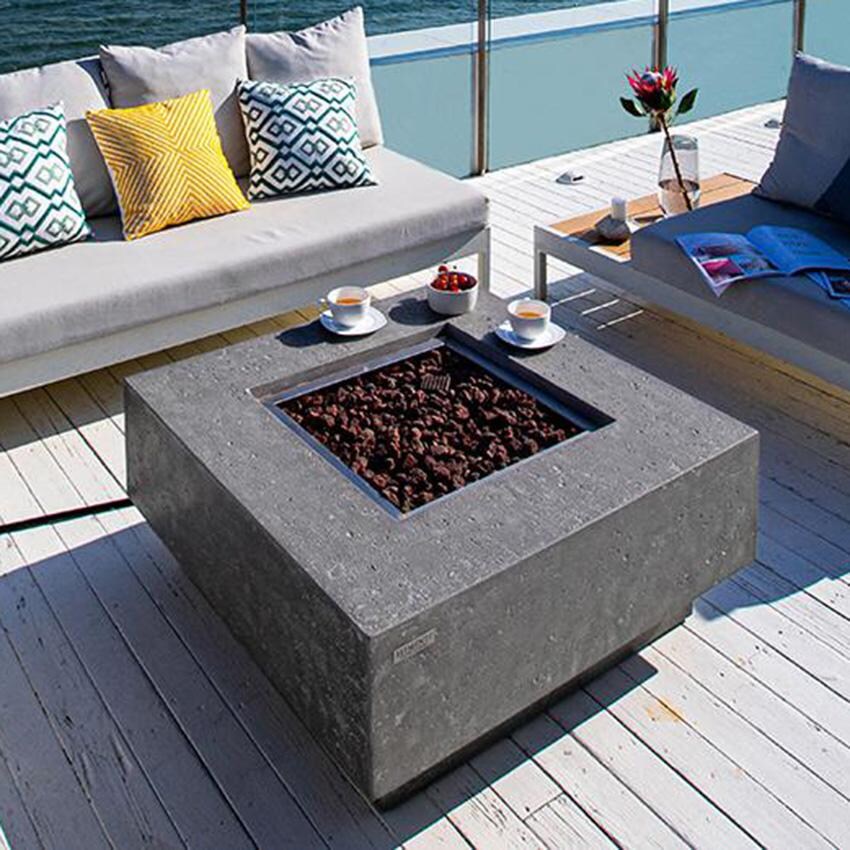
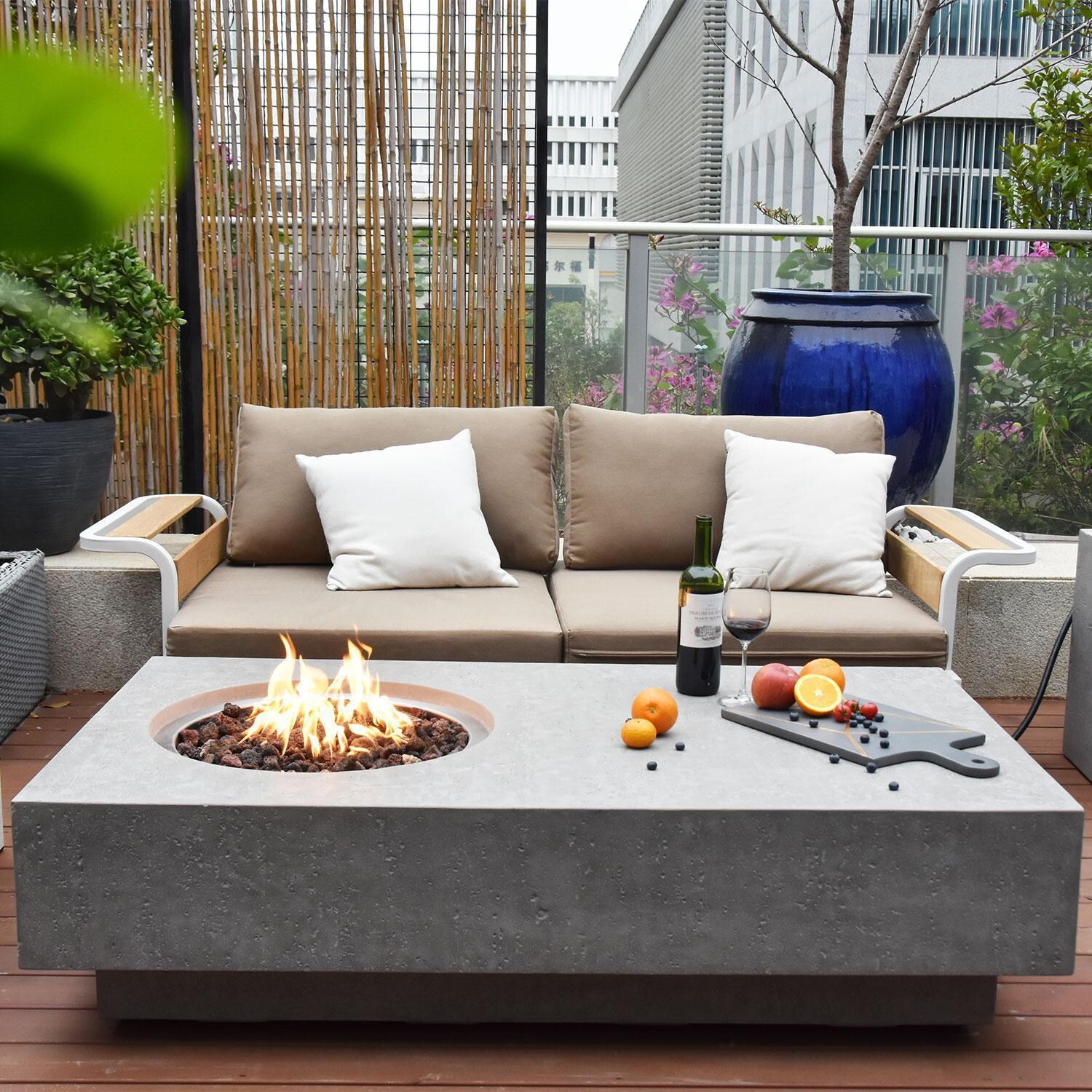
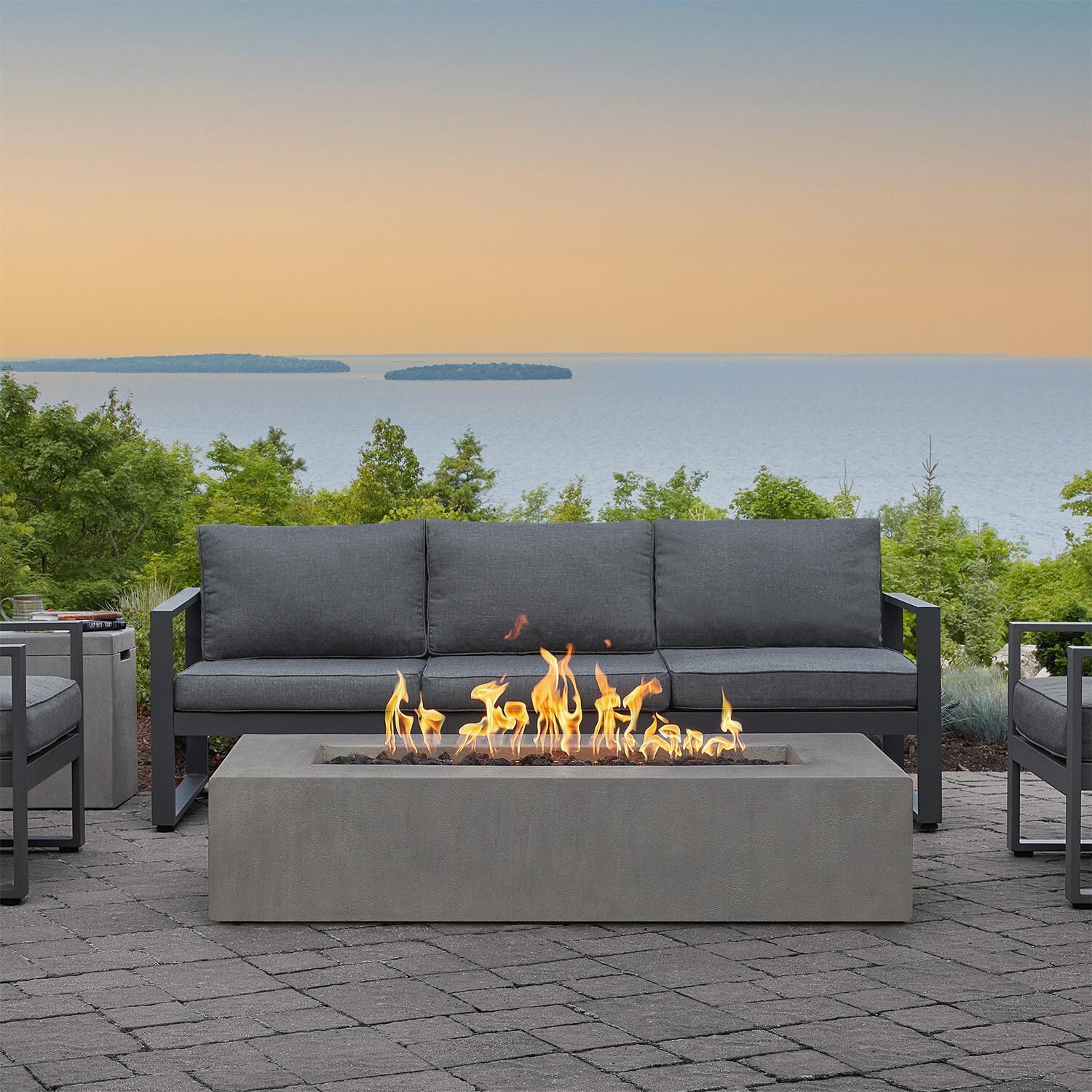
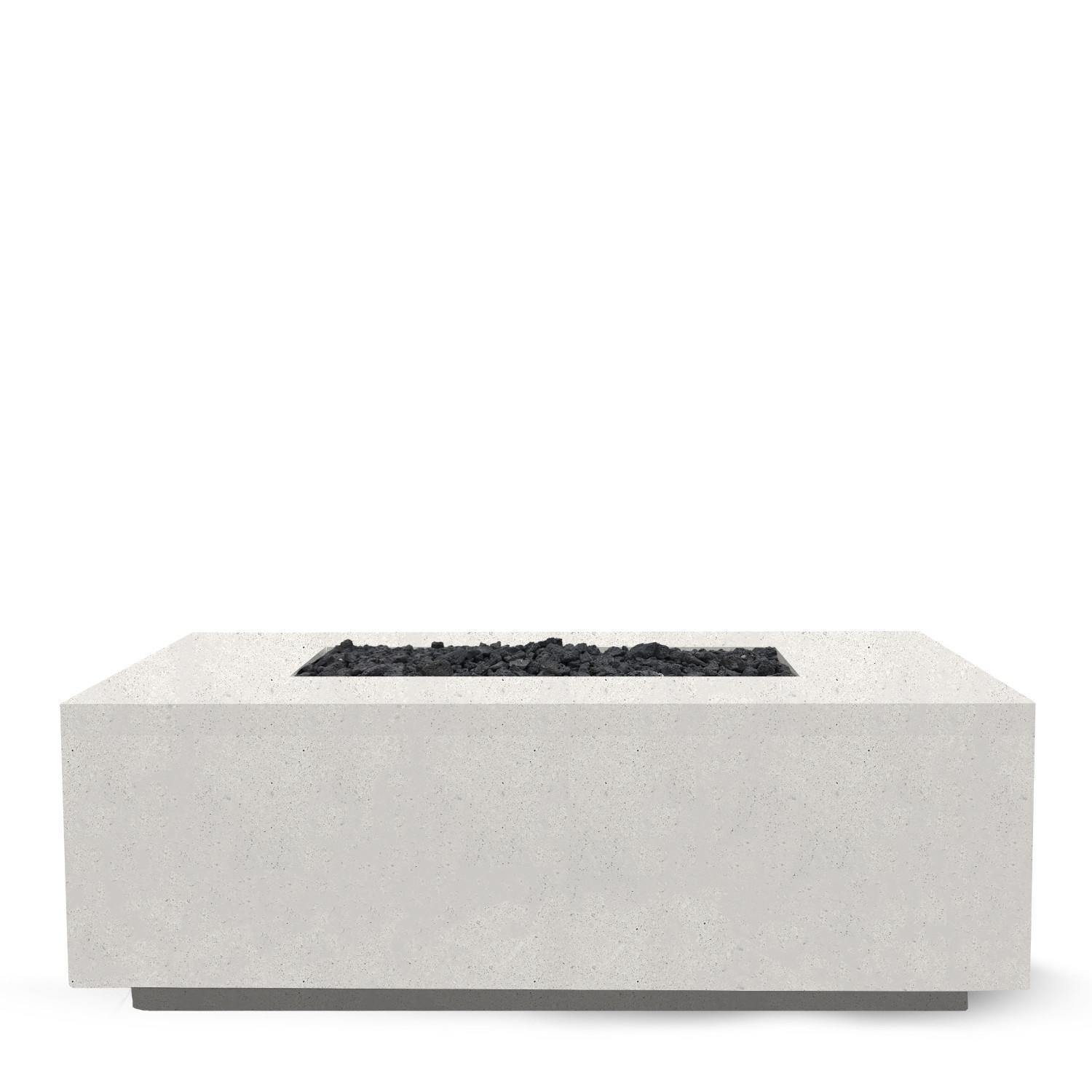
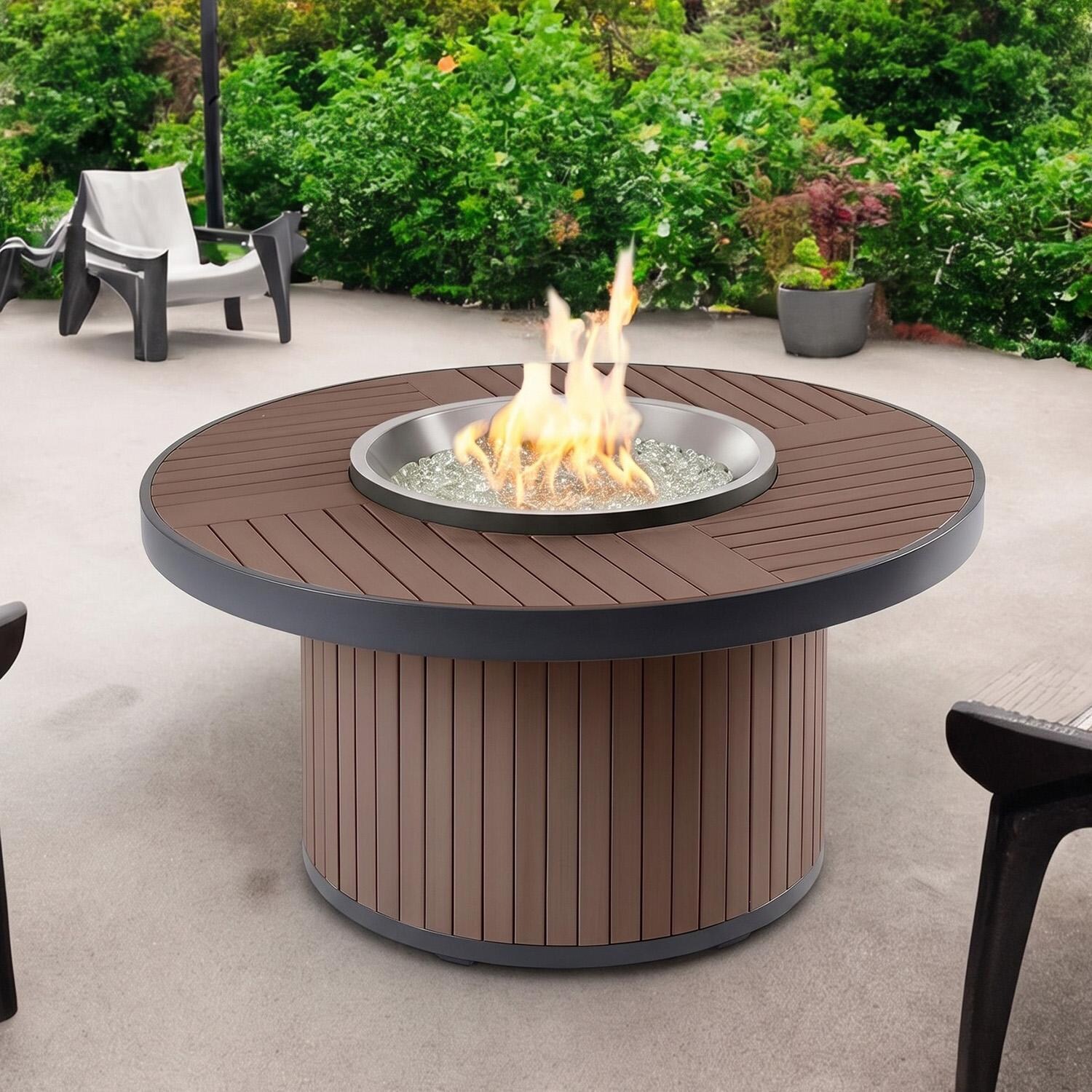
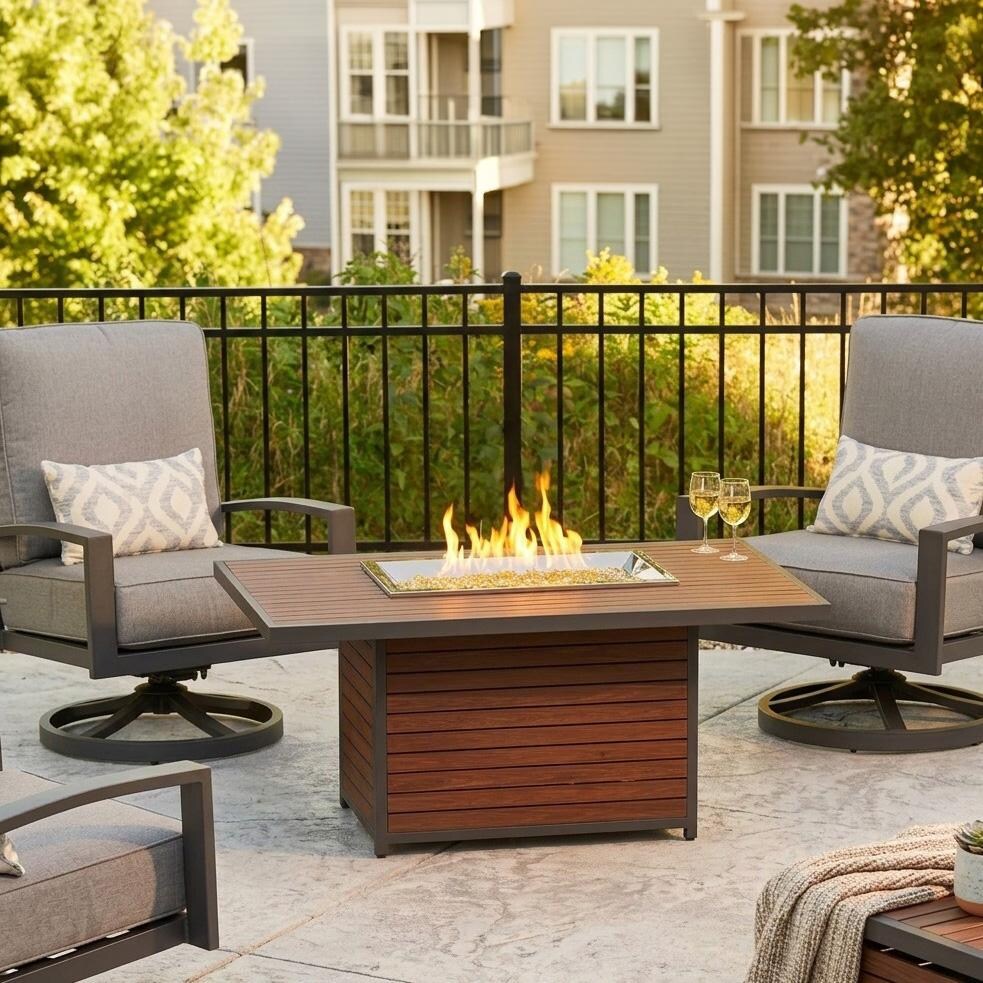
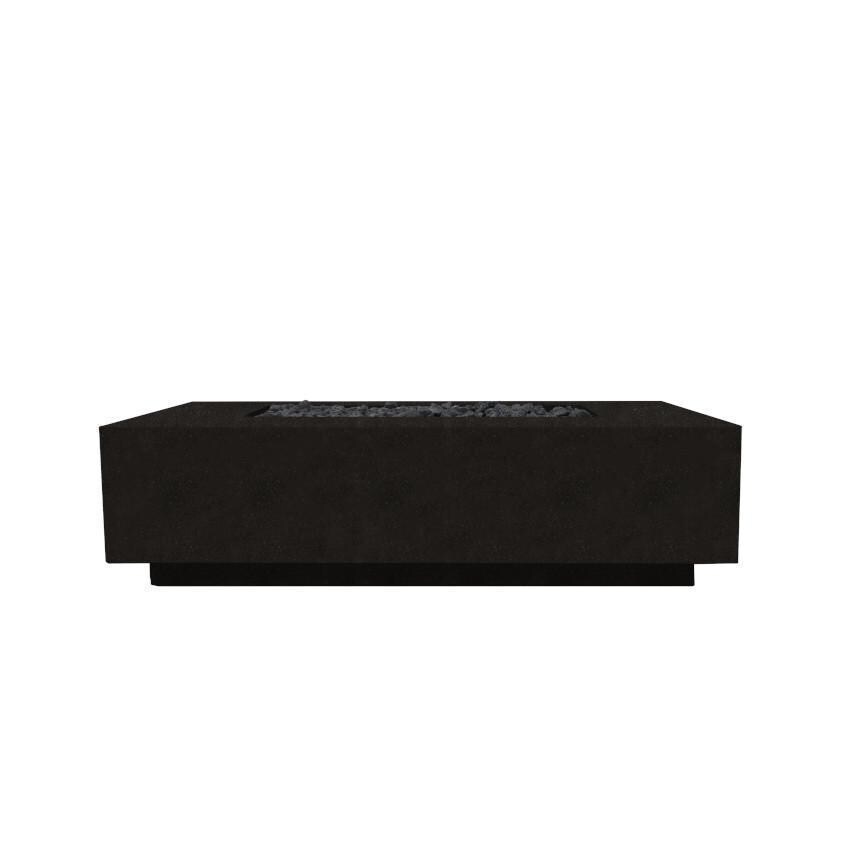
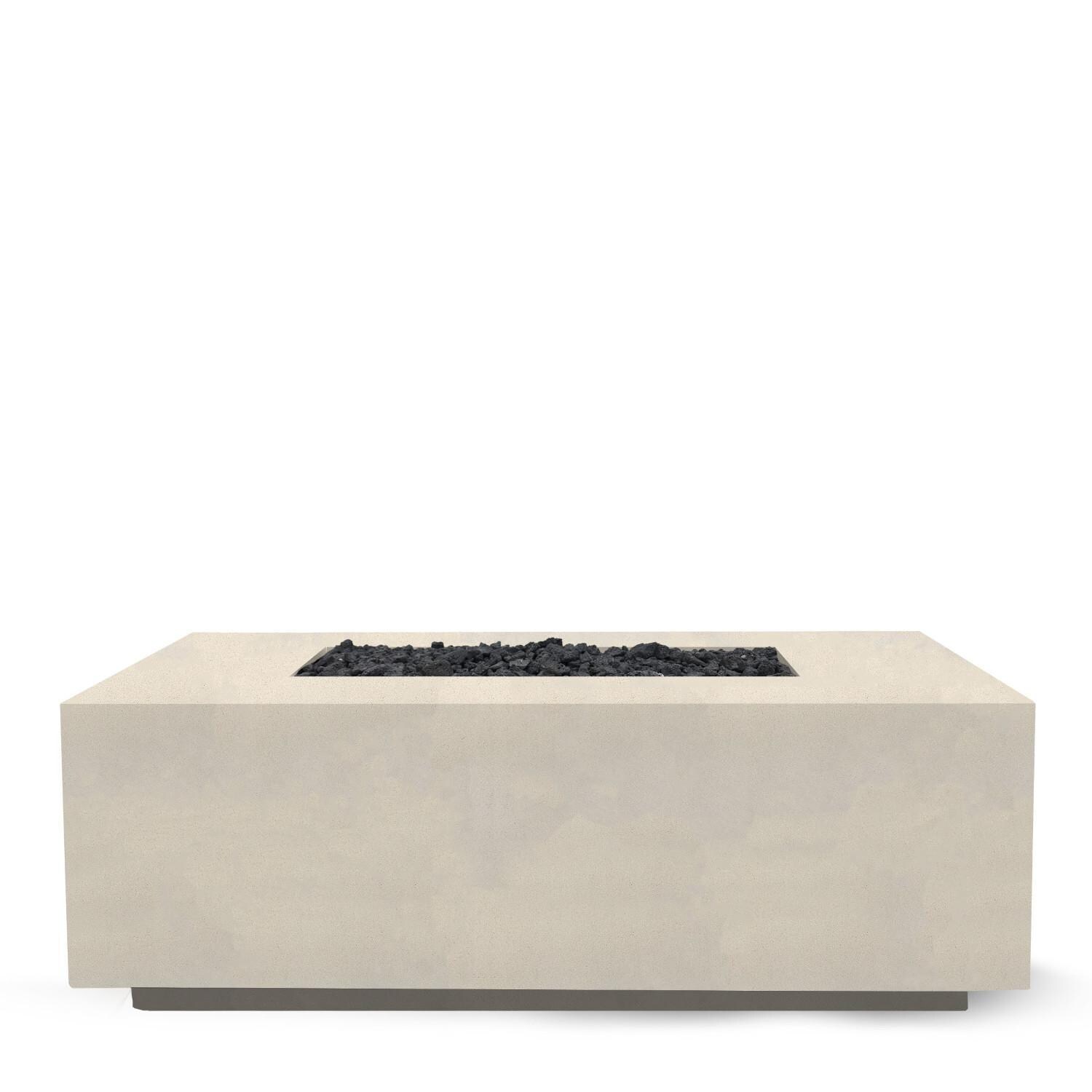
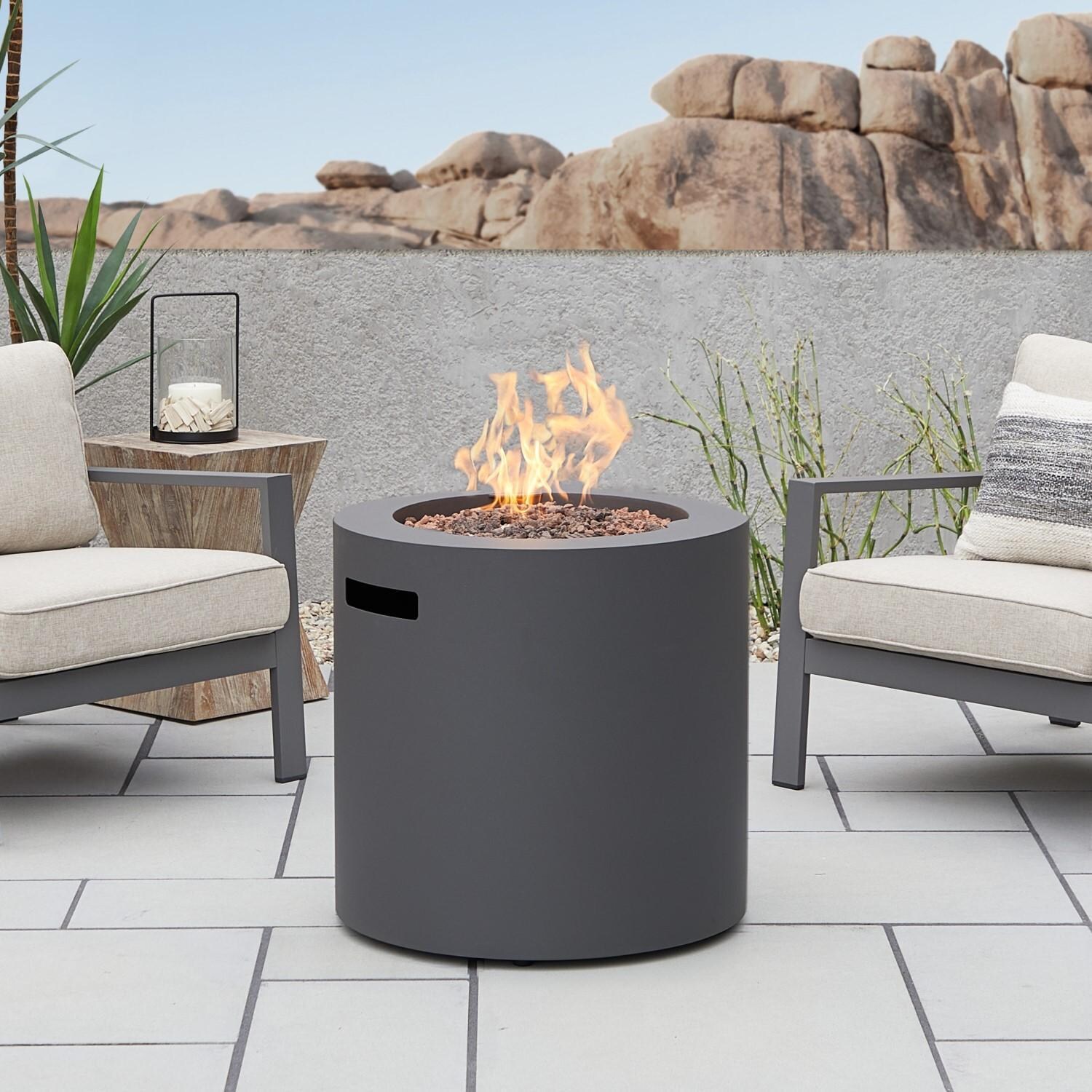
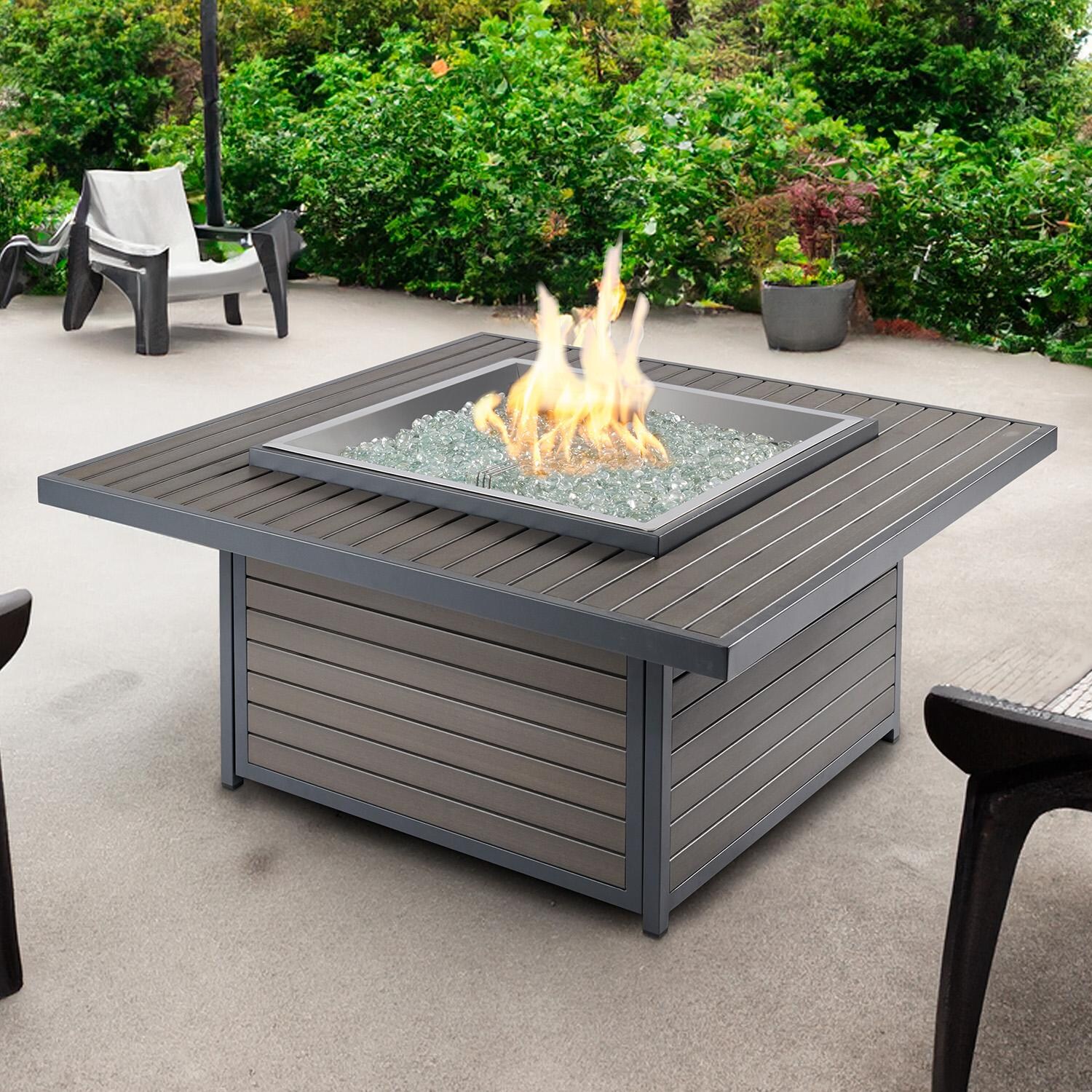
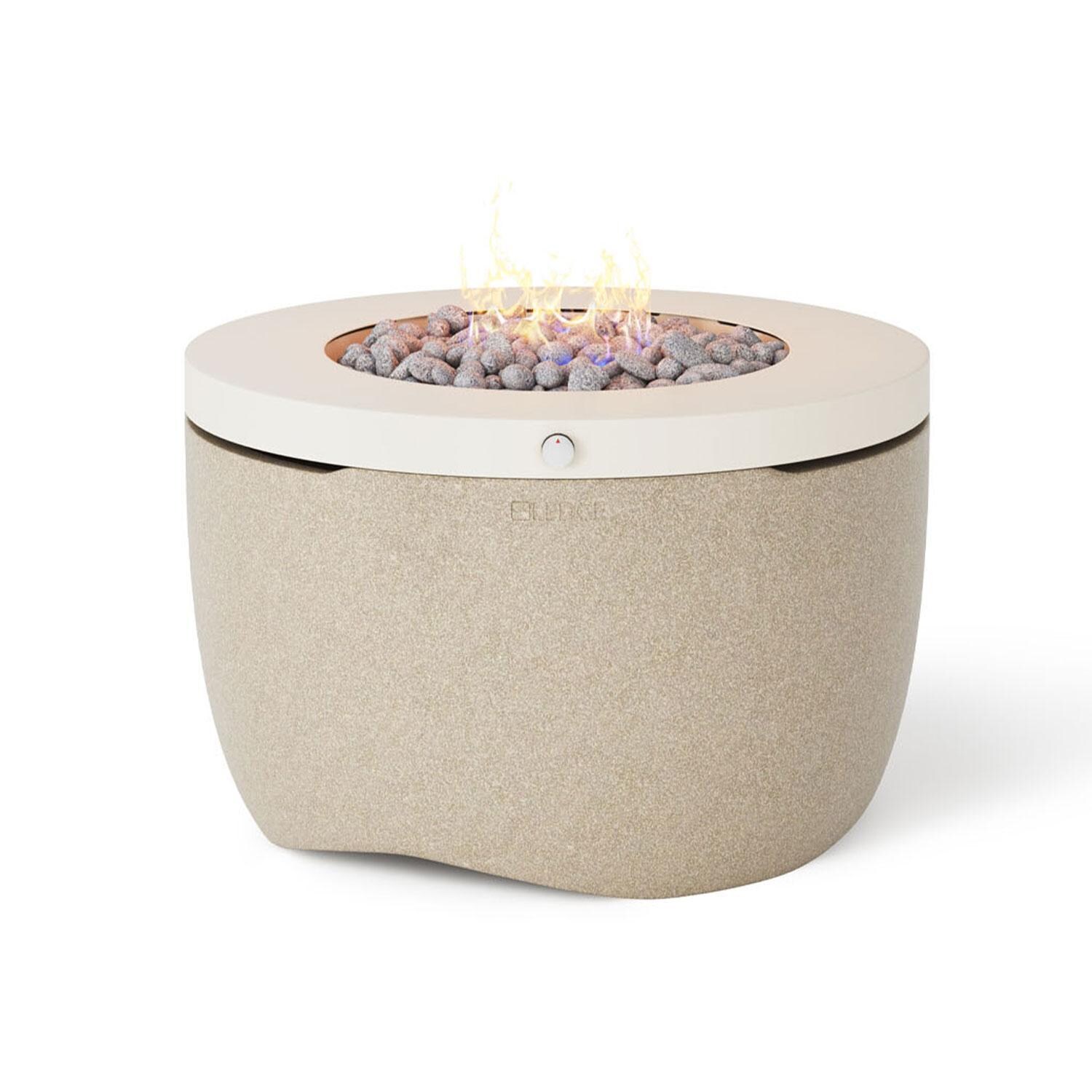
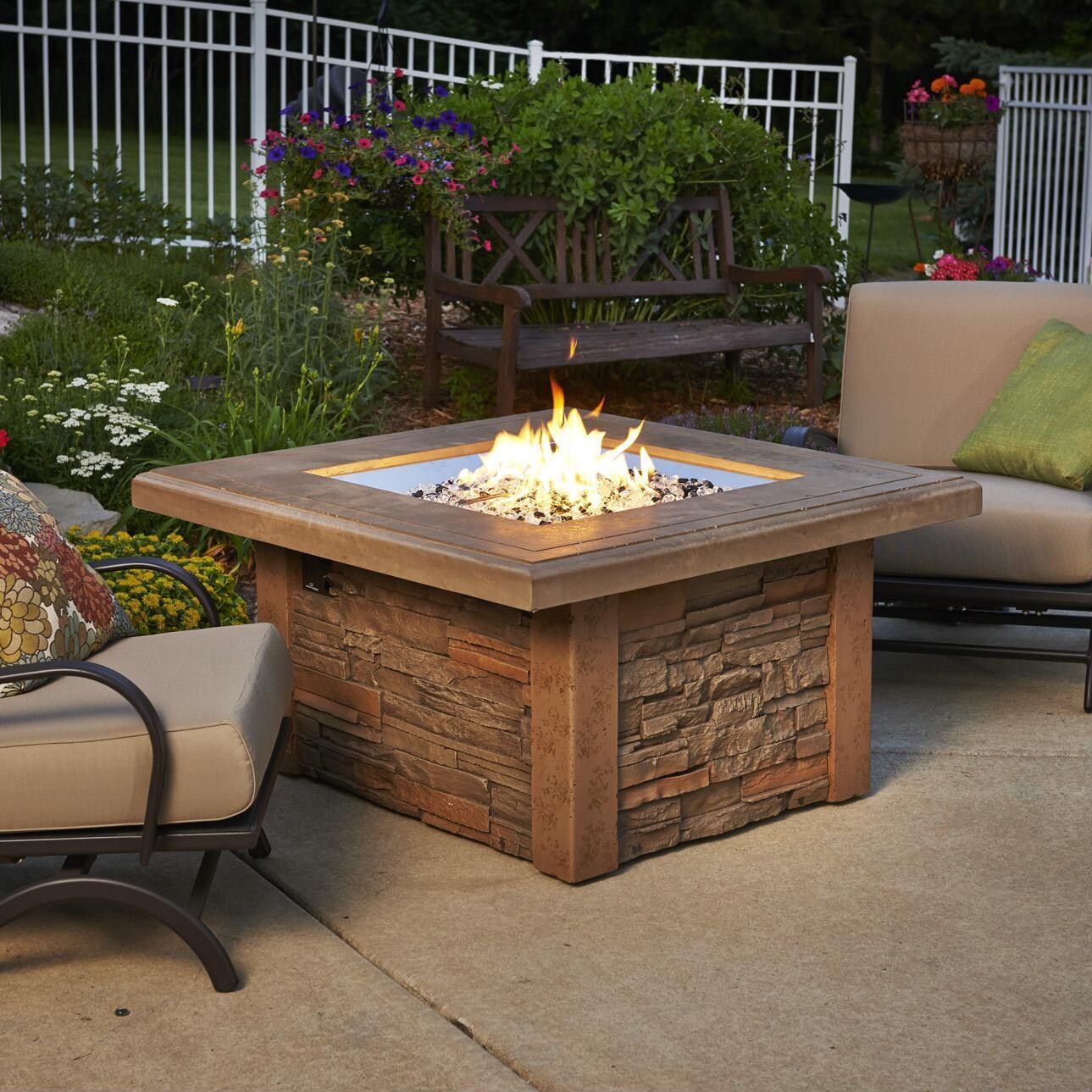
A propane fire pit lights with the turn of a knob and shuts off just as fast, trading the wood to split and store, the ash to clean up, and the smoke and soot of a wood-burning pit for cleaner, more convenient heat. If you're still weighing gas against wood, our propane vs. wood burning fire pit comparison breaks down which one fits your backyard best. Fuel comes from a standard 20lb propane tank, either housed inside the base or connected externally, and a valve controls the flame the same way it would on a gas grill. BBQGuys carries an outdoor propane fire pit for nearly any style or budget, including cast aluminum dining tables from Darlee, recycled plastic tables from POLYWOOD, handcrafted GFRC and corten steel fire bowls from The Outdoor Plus, brass burner kits from Warming Trends for building or upgrading your own fire feature, and a wide range of complete propane fire pit tables from Lakeview Outdoor Designs and BBQGuys Signature.
Propane Setup and Tank Placement
Where the tank lives affects both the look and the layout of your propane fire table. Models with integrated storage house a standard 20lb tank inside the base for a clean, finished look with nothing visible. Models with an external tank setup connect to the tank through a flexible hose, which allows for a lower-profile, more minimalist design since there's no need to build storage into the base. Many brands also sell dedicated tank covers, decorative side tables that hide the tank and keep the hose secured and out of the way.
How long a 20lb tank lasts depends heavily on the burner's BTU output and how high you run the flame. Based on the roughly 430,000 BTU of total energy in a full 20lb tank, a small propane fire pit running in the 50,000 BTU range should get you somewhere in the 8 to 9 hour range on a steady flame, while larger, higher-output units can burn through a tank noticeably faster. Turning the flame down when you don't need full heat is the easiest way to stretch a tank further.
Sizing Your Propane Fire Pit by BTU
BTU output determines how much heat your fire pit puts out, and matching it to your seating area makes a real difference in comfort. A small propane fire pit in the 50,000 BTU range works well for an intimate seating area for 2 to 4 people. For larger groups of 6 or more, look for a unit in the 60,000 to 80,000 BTU range to make sure the heat reaches every seat. In high-wind areas or open, exposed patios, a higher-output burner of 100,000 BTUs or more helps keep the flame from dissipating before it warms anyone.
Choosing the Right Material
The material your propane fire pit is made from affects how it holds up in your climate and how much upkeep it needs.
- Cast Aluminum: A strong choice for coastal or humid climates since it's naturally corrosion-resistant and won't rust the way untreated steel can.
- Glass Fiber Reinforced Concrete (GFRC): Gives you the look and weight of natural stone at a fraction of the weight, and resists cracking from freeze-thaw cycles better than standard concrete, though like any concrete product it can develop hairline surface marks over time.
- Corten Steel: Also called weathering steel, it develops a rustic rust-toned patina that actually protects the metal underneath, though it isn't the best fit for coastal air or consistently humid climates.
- Powder-Coated Steel: A strong, budget-friendly option best suited to drier climates or covered patios.
Propane Fire Pit Safety and Where You Can Use One
Propane fire pits are generally considered safer for backyard use than wood-burning pits since there's no open flame from burning logs, no flying embers, and a valve that shuts the flame off instantly. That said, every propane fire pit still produces real heat and an open flame, so the same basic precautions apply. Always follow the manufacturer's specific clearance and ventilation instructions for your model. As a general guideline, most manufacturers call for at least 36 inches of clearance on all sides from combustible materials like wood fencing, vinyl siding, or patio umbrellas, and 80 to 120 inches of open space above the unit to protect any patio cover or ceiling.
Many propane fire pits and fire pit tables are rated for use on patios and decks, but weight and bottom-venting heat both matter. Heavier units, especially GFRC and stone models, should be evaluated against your deck's weight rating, and any model without a proper heat shield underneath shouldn't be placed directly on wood or composite decking. When in doubt, check your specific model's manual before you install it.
Talk to a BBQGuys Expert About Propane Fire Pits
Choosing the right propane fire pit means balancing size, BTU output, material, and how you want the tank set up. Read our fire pit buying guide for a deeper dive into styles and specs, browse our fire pit safety guide for more on safe placement and use, or check out our fire pit warranty comparison chart to see how brands stack up. You can also browse our fire pit expert reviews to see how specific models perform in real testing, or call one of our experts at 1-877-743-2269, available daily to help you find the right propane fire pit for your backyard.

